


摘要
海南咖啡依托自贸港政策、热带特色资源与区位优势,嵌入全球咖啡价值链呈现种植端基础薄弱、加工端初级粗放、品牌与渠道端价值占比低的结构性特征。全球咖啡价值链呈现典型微笑曲线:上游种植价值贡献约1%,中游加工约6%,下游品牌、零售与服务约93%。本报告立足全球价值链分工与海南自贸港“零关税、加工增值免关税、保税加工+跨境电商”等政策红利,提出上游提质筑基、中游精深化集群化、下游品牌化与全球化、全链数字化与文旅融合的四维增值路径,推动海南咖啡从原料输出向全球加工枢纽、精品品牌、文旅消费目的地转型,实现价值链攀升与高质量发展。
关键词
全球价值链;海南咖啡;产业增值;自贸港政策;全链升级
一、引言
全球咖啡是仅次于原油的大宗农产品贸易品,形成产地集中于热带、高附加值环节集聚于消费市场的全球化分工体系。中国咖啡消费快速增长,海南作为中国唯一热带岛屿咖啡产区,拥有兴隆、福山等传统品牌与热研系列优良品种,同时面临种植规模小、单产偏低、精深加工不足、品牌话语权弱、全球价值链位势低等瓶颈。
海南自贸港封关运作临近,零关税、加工增值30%以上内销免关税、跨境电商、保税物流等政策,为海南咖啡嵌入全球价值链、重构价值分配、实现增值跃升提供战略机遇。本报告基于全球价值链理论,诊断海南咖啡产业价值链痛点,设计可落地的赋能增值路径,为产业升级与政策制定提供支撑。
二、全球咖啡价值链与海南咖啡产业现状
(一)全球咖啡价值链结构与利润分布
全球咖啡价值链分为上游种植与初加工、中游精深加工、下游品牌运营与终端零售三大环节:
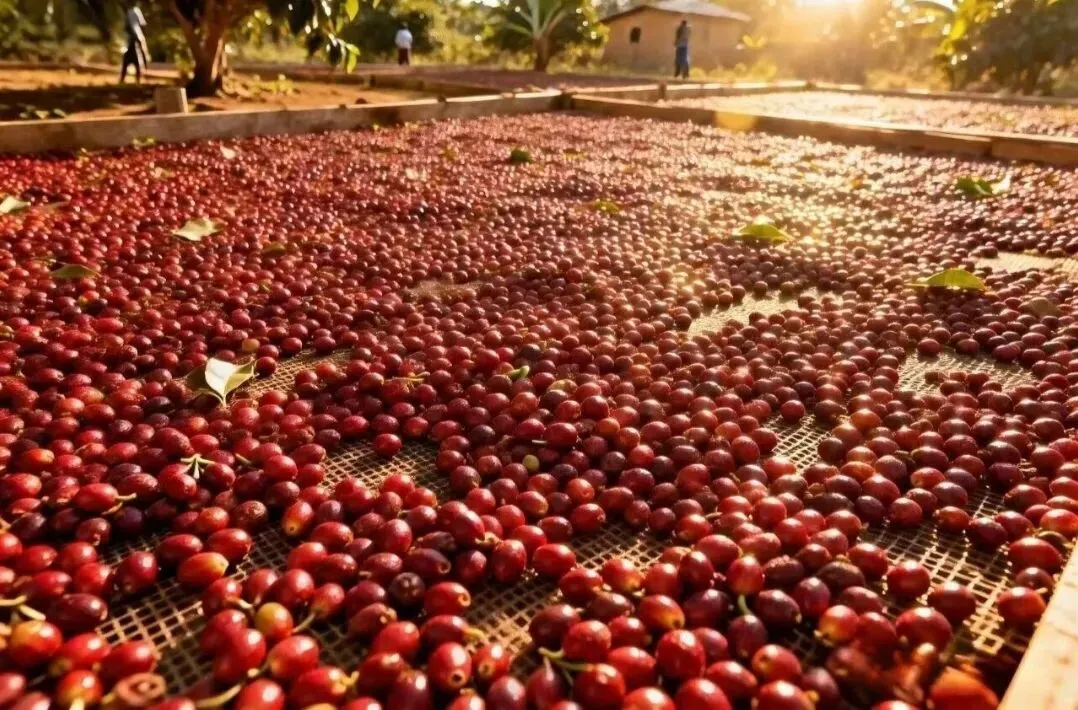
- 上游:种植、采摘、初加工(日晒/水洗/蜜处理),价值占比约1%,利润薄、风险高;
- 中游:烘焙、研磨、萃取、功能性产品(冻干粉/冷萃液/浓缩液),价值占比约6%;
- 下游:品牌、渠道、文旅、服务与供应链服务,价值占比高达93%。
全球价值链呈现两头高、中间低的微笑曲线,品牌与渠道主导价值分配。
(二)海南咖啡产业价值链现状
1. 上游种植端
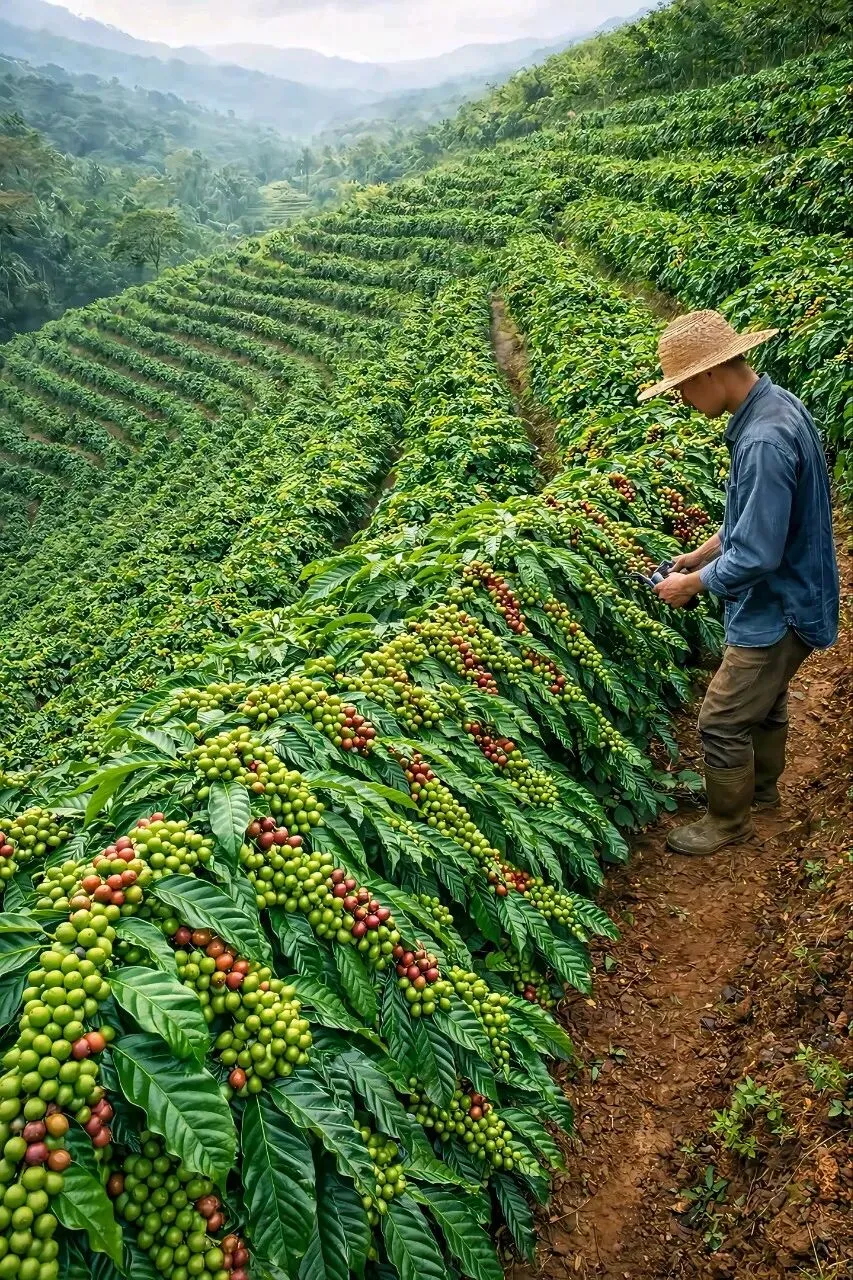
- 规模:全省种植面积约3万亩,生豆产量约2900吨,集中于万宁、澄迈、琼中、白沙;
- 品种:热研、大丰1号等优良品种逐步推广,散户单产400–500公斤/亩,标准化基地可达700–800公斤/亩;
- 痛点:规模化不足、标准化率低、抗风险能力弱、亩均利润低,以原料出售为主。
2. 中游加工端
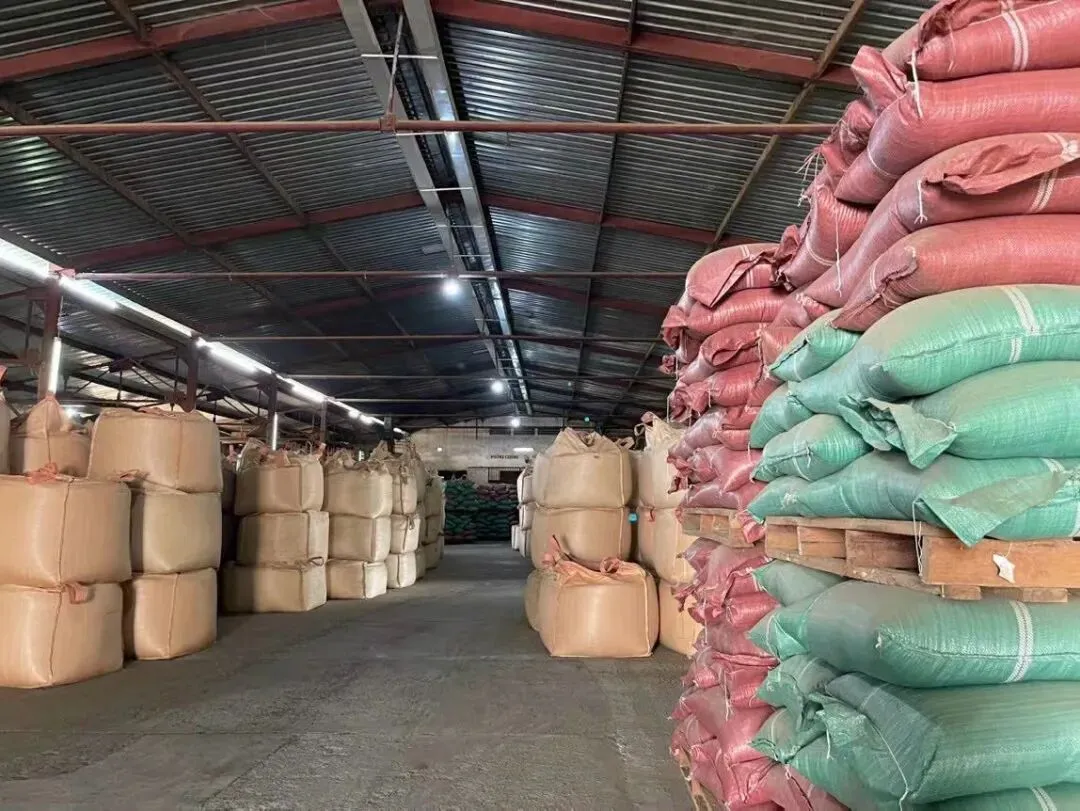
- 产能:加工产能约4万吨,原料依赖进口(巴西、越南、印尼等);
- 产品:以烘焙豆、咖啡粉为主,冻干粉、冷萃、即饮等高端产品刚起步;
- 痛点:精深加工率低、技术装备弱、产品同质化、附加值低。
3. 下游品牌与市场端
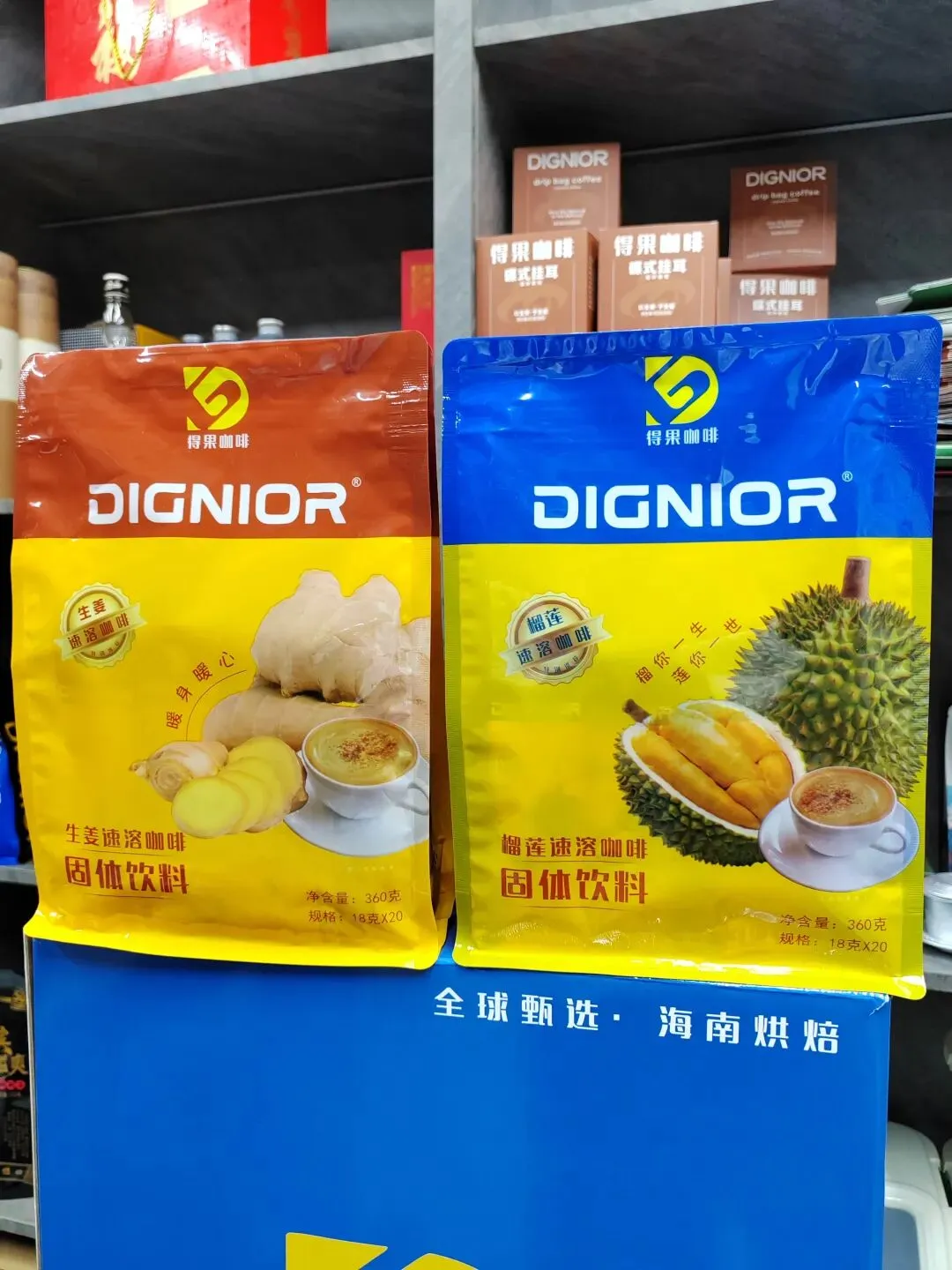
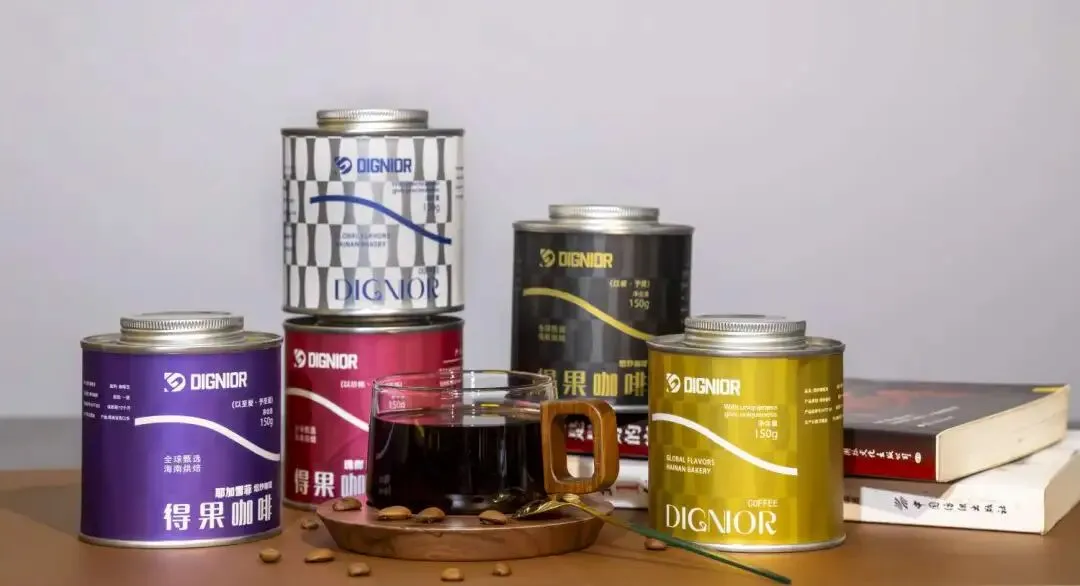
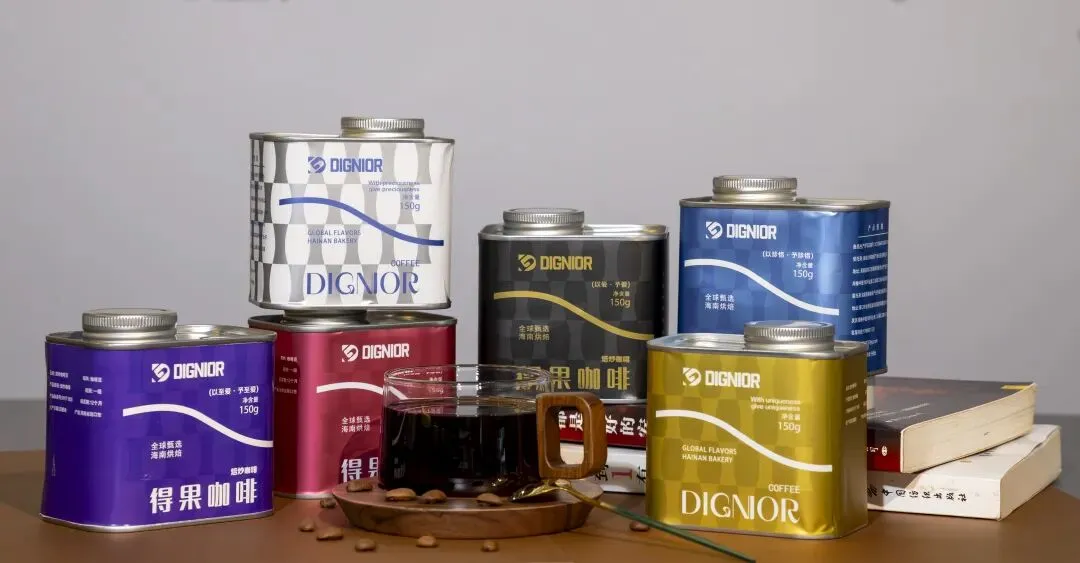
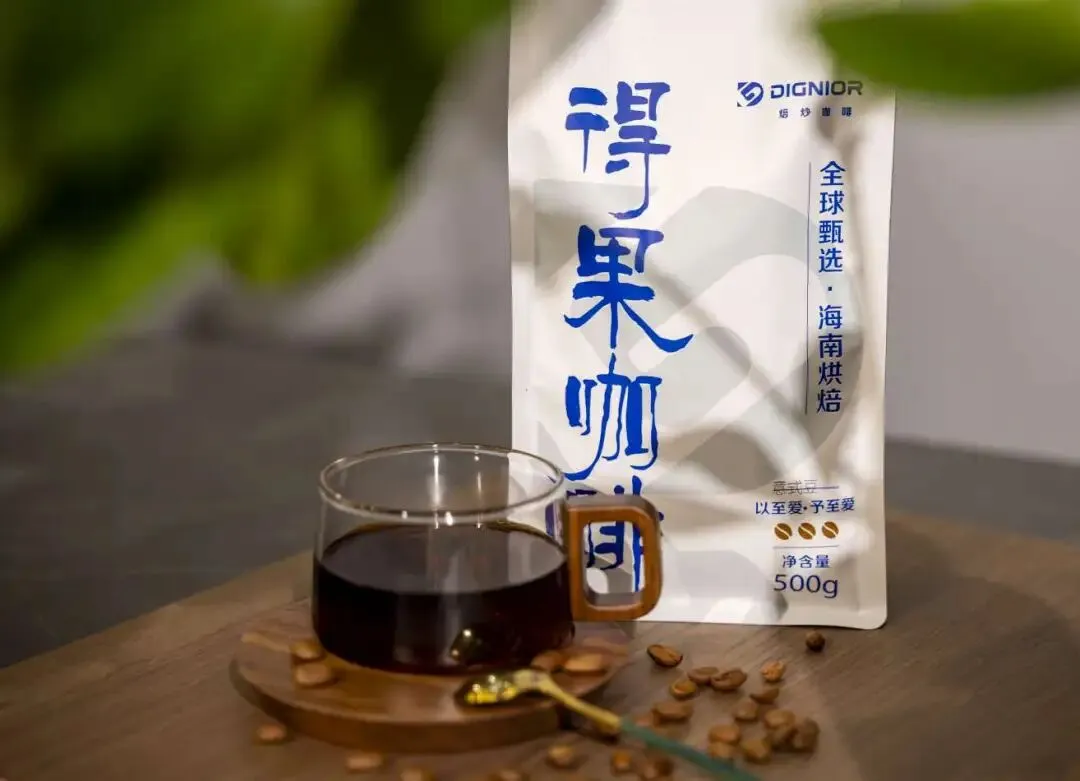
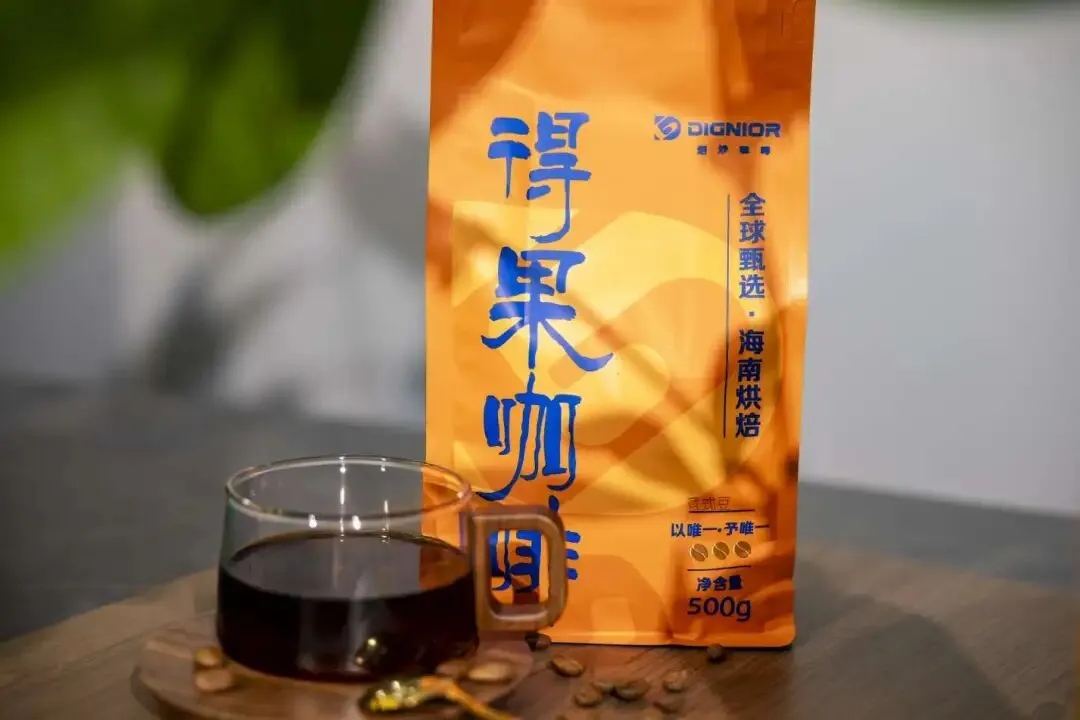
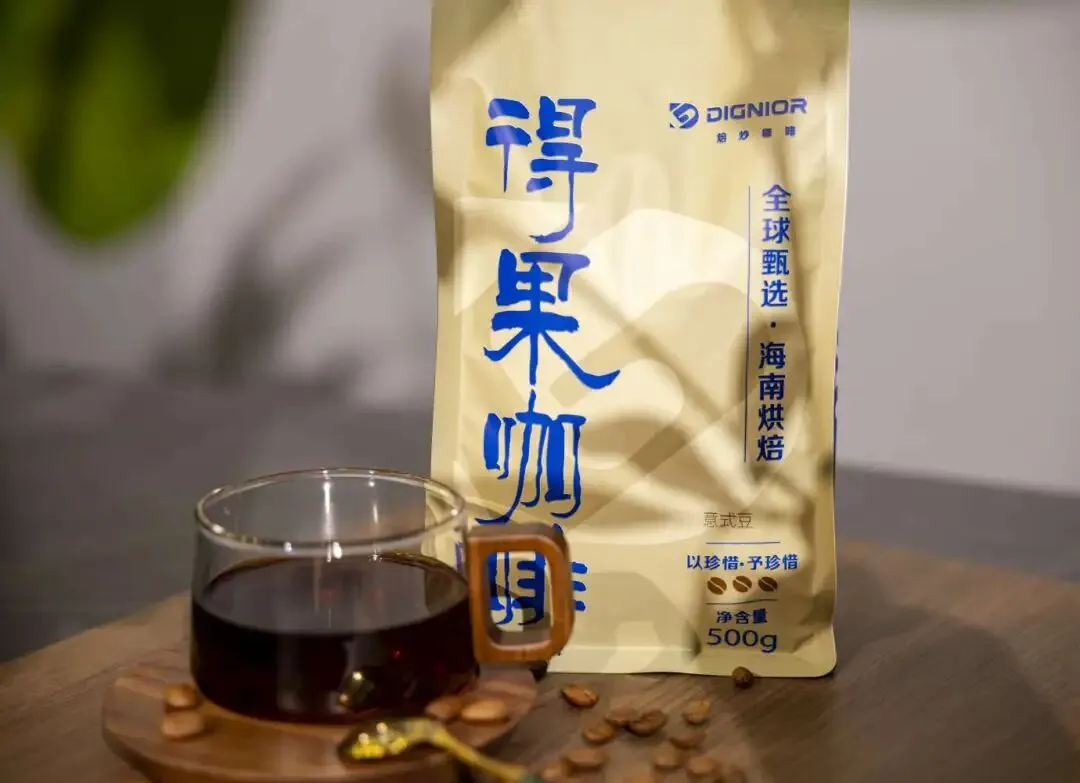
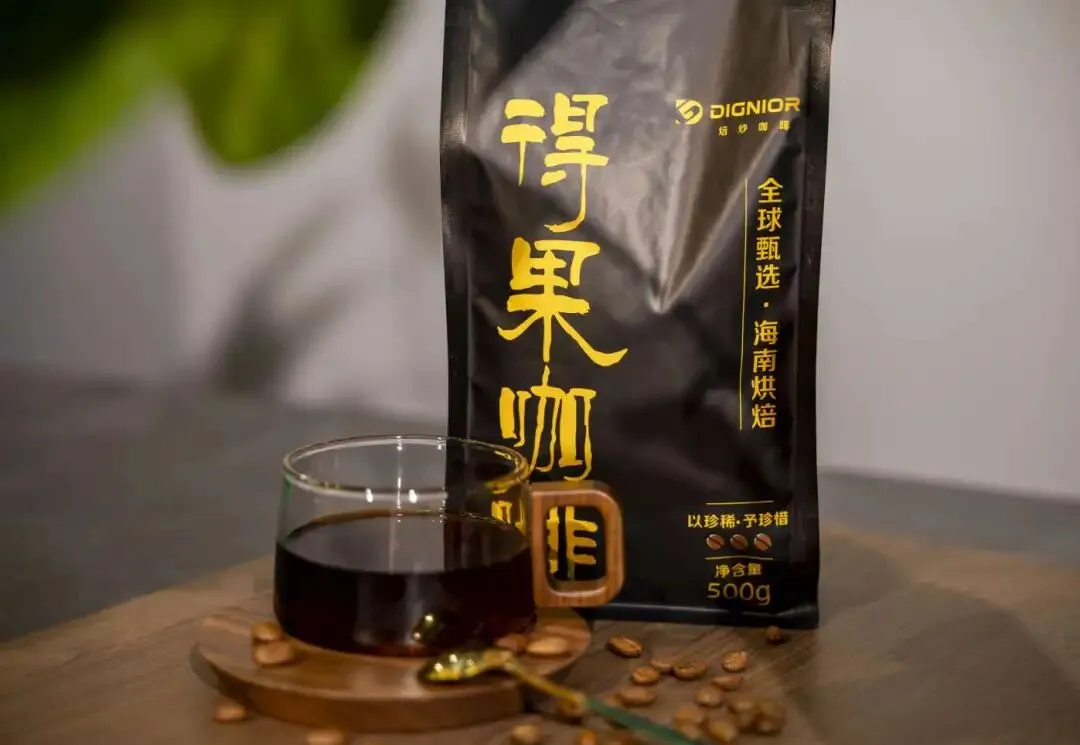
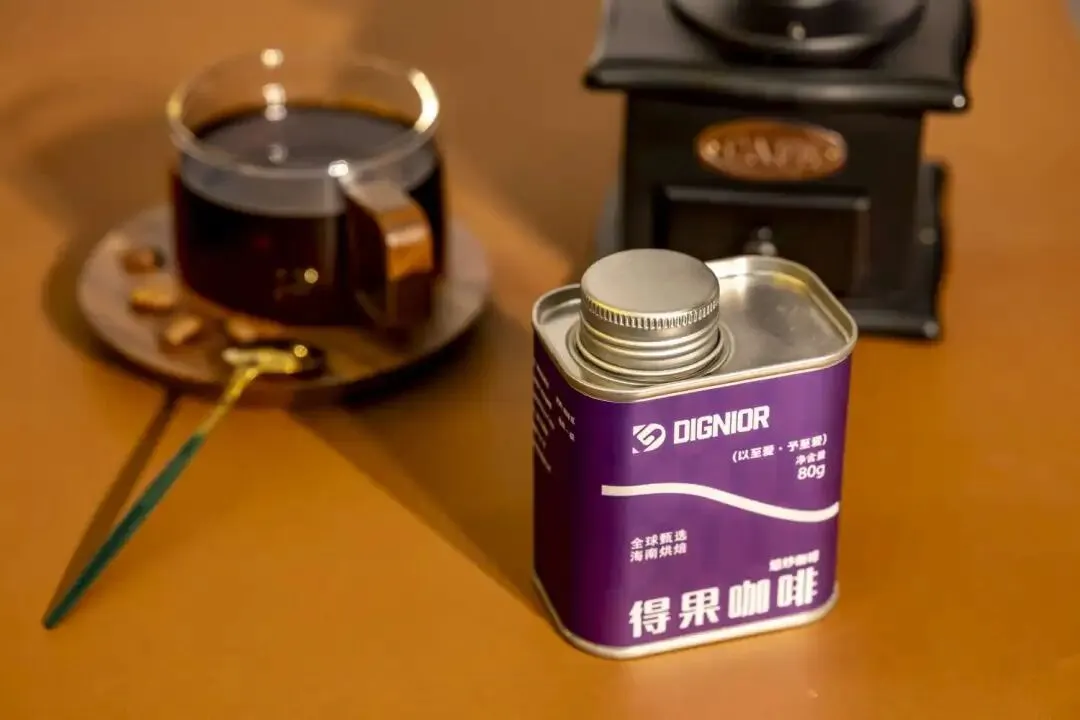
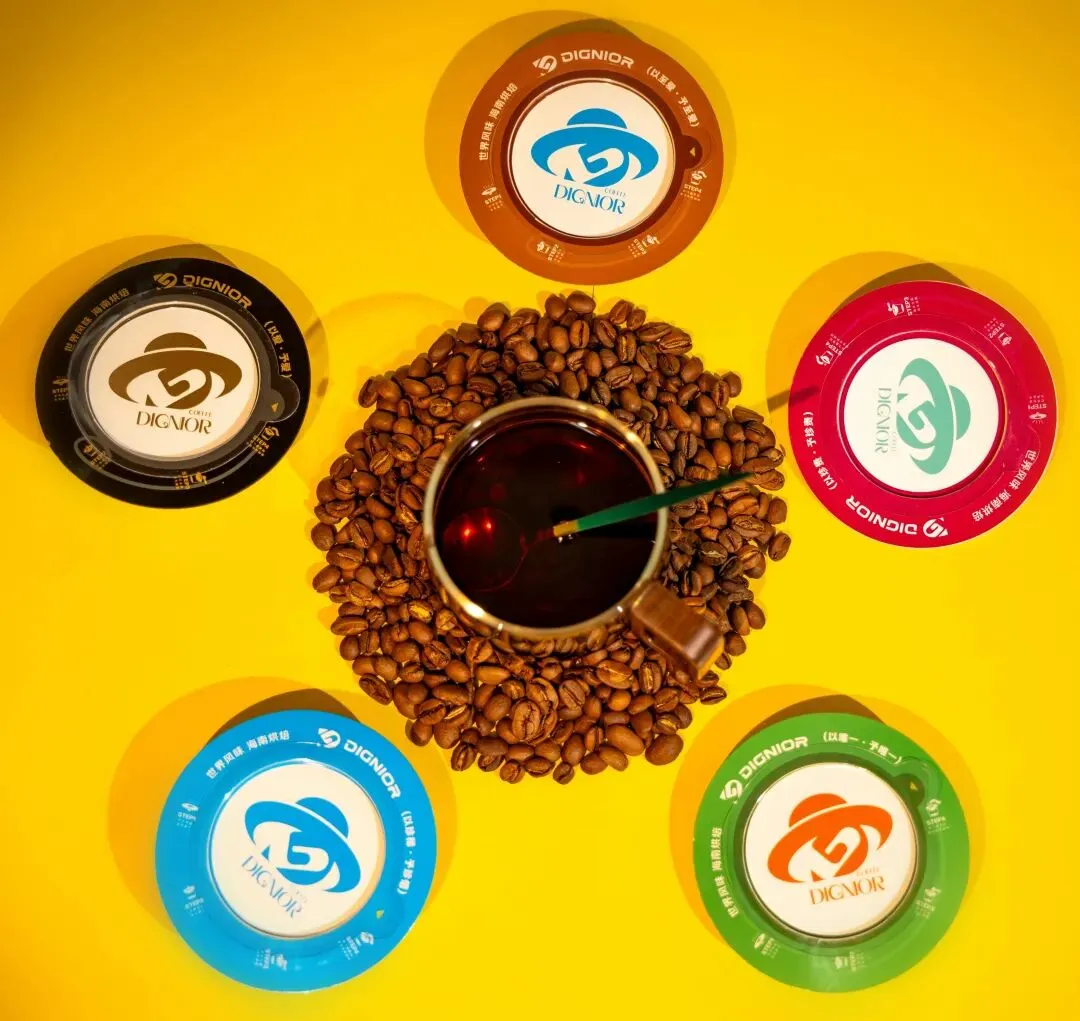
- 品牌:Dignior?果咖啡、兴隆咖啡、福山咖啡等区域品牌,全国性品牌缺失;
- 市场:以岛内旅游与本地消费为主,岛外与国际市场占比低;
- 模式:“保税加工+跨境电商”起步,贸易便利化水平提升。
4. 政策与区位优势
- 自贸港“零关税+加工增值免关税”双重红利,进口综合成本降幅超20%;
- 封关后物流成本预计下降18%,面向东南亚与RCEP市场区位突出。
三、海南咖啡产业价值链痛点与增值瓶颈
1. 价值链位势低端锁定:长期停留于种植与初加工,深陷“原料低价、附加值低”困境;
2. 加工能力不足:初级加工为主,精深加工与功能性产品供给短缺;
3. 品牌与渠道弱势:缺乏全国性与国际化品牌,终端渠道控制力弱;
4. 全链协同不足:种植、加工、销售、文旅脱节,一二三产融合度低;
5. 全球化运营滞后:全球采购、全球加工、全球分销体系尚未成型。
四、全球价值链下海南咖啡产业赋能增值路径
(一)上游:标准化+精品化+绿色化,夯实价值基础
1. 良种繁育与规模化基地:依托热科院香饮所,推广高产抗病品种,建设标准化基地,2030年规模化率达90%;
2. 绿色认证与溯源体系:推进有机、雨林联盟、EUDR合规认证,建立区块链溯源,提升原料溢价能力;
3. 联农带农机制:“企业+合作社+农户”一体化,加工利润反哺种植,提高咖农收益。
(二)中游:精深化+集群化+政策赋能,提升加工增值
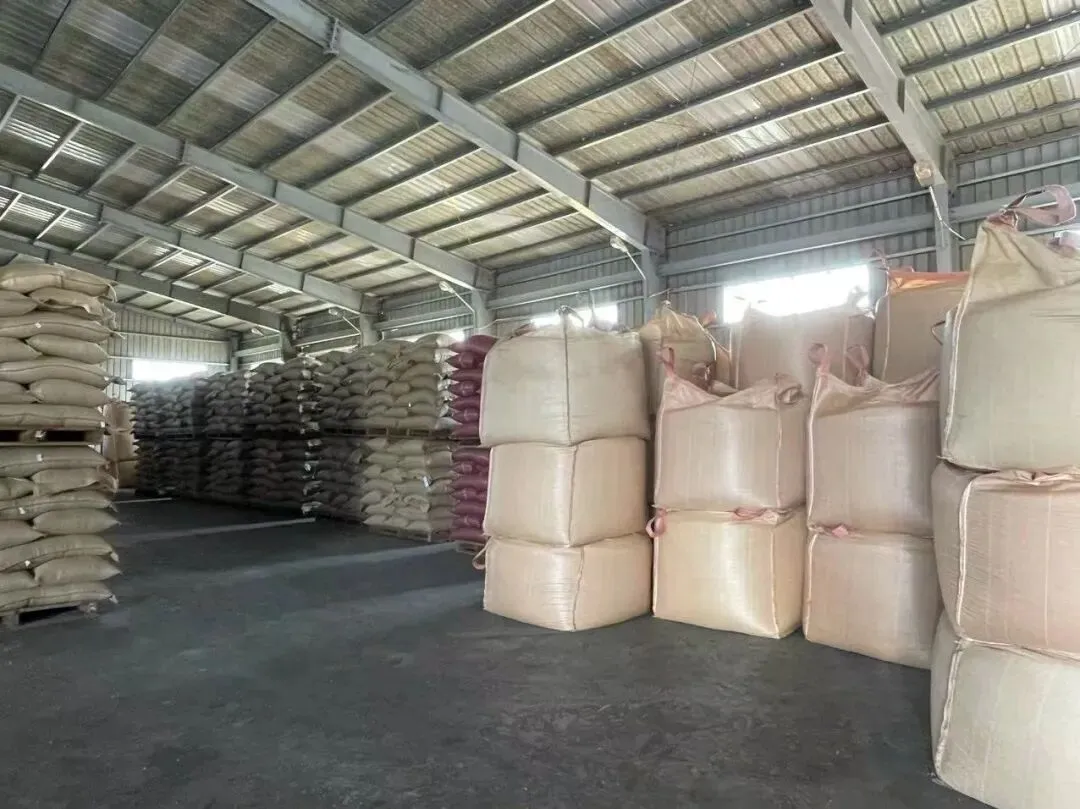
1. 高端产品迭代:发展冻干粉、冷萃液、浓缩液、功能性咖啡、胶囊咖啡等高附加值产品;
2. 加工增值政策落地:用好“加工增值30%以上内销免关税”,税收成本降低约10%;
3. 产业集群与龙头培育:建设海口、万宁、澄迈、定安加工集群,培育3家年营收超5亿元龙头企业,2030年精深加工占比达60%;
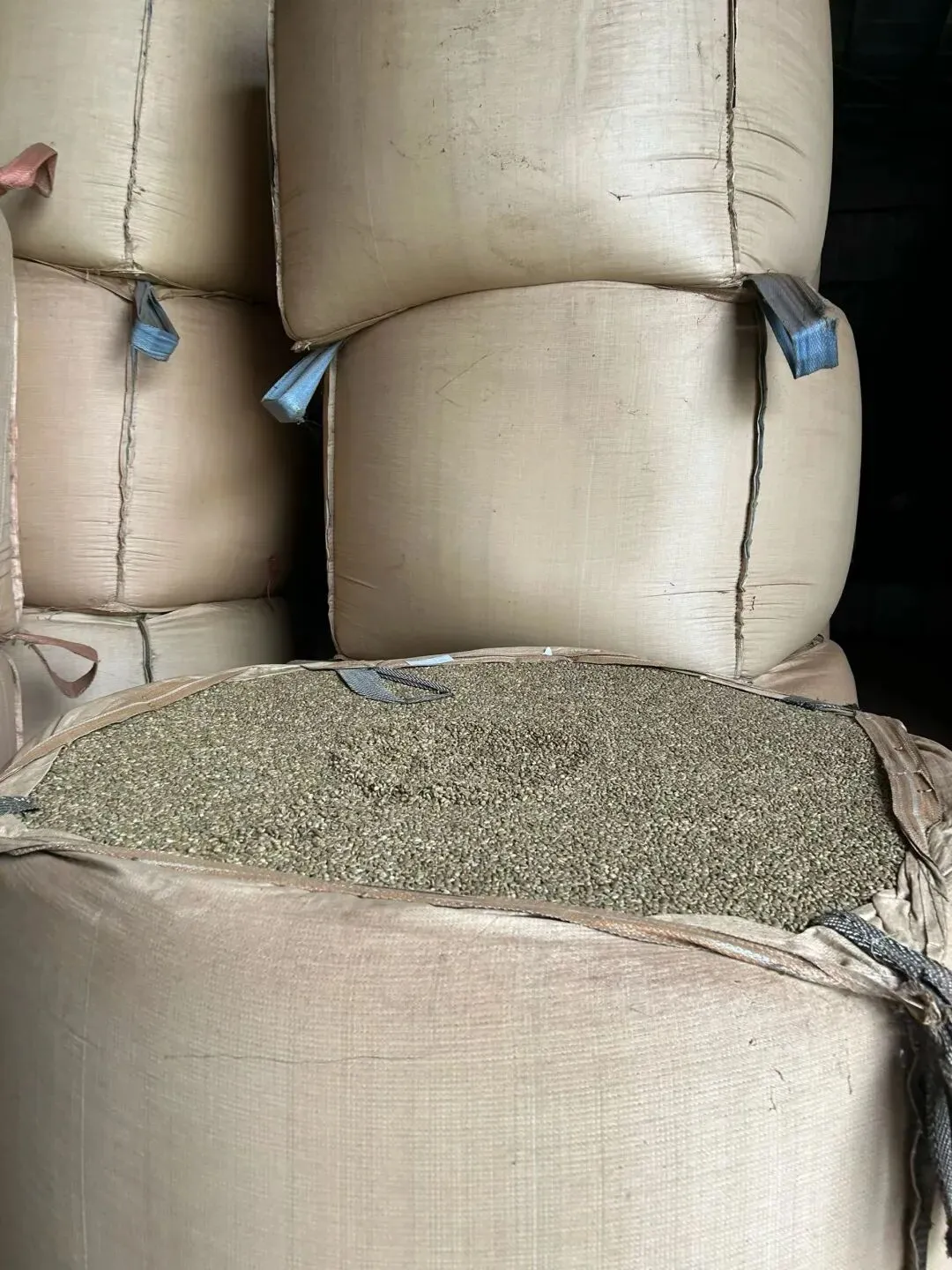
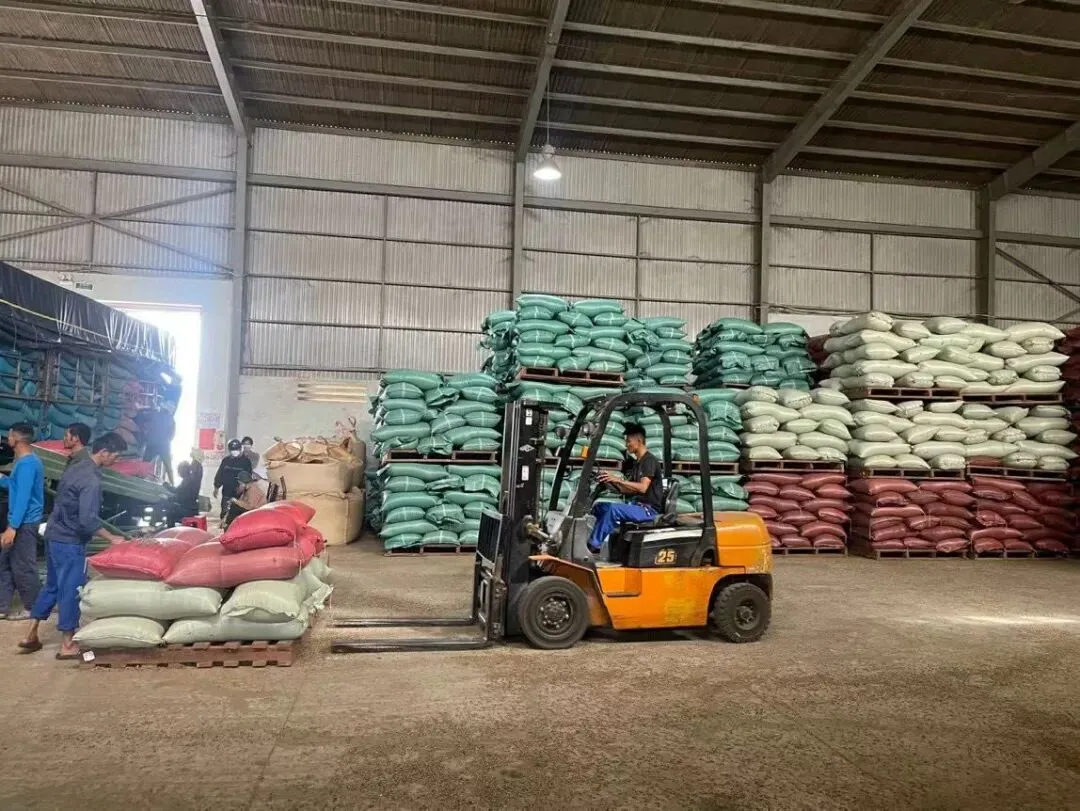
4. 全球原料枢纽:零关税进口全球生豆,打造“全球采购—海南加工—分销全球/全国”的中转枢纽。
(三)下游:品牌化+全球化+数字化,抢占高价值环节
1. 区域公共品牌+企业品牌双轮驱动:打造“海南咖啡”公共品牌,推动兴隆、福山品牌全国化;
2. 全渠道布局:线下连锁、商超、机场免税;线上跨境电商、直播电商、订阅制;
3. 全球市场拓展:依托RCEP与自贸港,开拓东南亚、中东、澳洲市场,2030年进出口额突破10亿元;
4. 数字化供应链:智慧烘焙、无感通关、全球分销数字化,提升效率与响应速度。
(四)全链:文旅融合+业态创新,实现价值倍增
1. 咖啡+文旅:咖啡庄园、共享农庄、非遗技艺体验、咖啡研学、咖啡露营;
2. 咖啡+文创:IP开发、伴手礼、器具、文创产品,提升消费单价;
3. 咖啡+会展:海南国际咖啡大会、贸易对接、赛事品鉴,打造产业平台。
(五)保障体系:政策+金融+人才+科技
1. 政策支持:种植补贴、加工技改、品牌推广、贸易便利化;
2. 金融赋能:咖啡贷、产业链金融、保险避险;
3. 人才引育:种植、烘焙、品控、品牌、国际贸易人才;
4. 科技支撑:智慧农业、智能加工、冷链物流、质量检测。
五、实施目标(2026–2030)
1. 种植端:面积扩至3.2万亩,标准化率90%,培育2–3个优良新品系;
2. 加工端:精深加工占比60%,龙头企业带动能力显著增强;
3. 市场端:岛外销售占比80%,进出口额突破10亿元;
4. 品牌端:形成1–2个全国性知名品牌,“海南咖啡”成为自贸港特色名片;
5. 价值链:从原料输出转向全球加工中心、精品品牌中心、文旅消费中心,价值分配向微笑曲线两端跃升。
六、结论
海南咖啡产业突破全球价值链低端锁定,必须以自贸港政策为引擎、全链升级为路径、高附加值环节为核心。通过上游提质、中游精深、下游品牌、全链融合,推动海南咖啡从“卖原料”转向“卖精品、卖品牌、卖体验、卖全球”,构建自主可控、高附加值、全球化的咖啡产业价值链,成为海南热带特色高效农业与自贸港开放型经济的标志性产业。
Abstract
Relying on the Hainan Free Trade Port (FTP) policies, tropical resource endowments and geographical advantages, Hainan’s coffee industry embeds in the global coffee value chain with structural characteristics: weak upstream planting, extensive midstream processing, and low value share in downstream branding and distribution. The global coffee value chain presents a typical smile curve: upstream planting contributes ~1% of value, midstream processing ~6%, and downstream branding, retailing and services ~93%. Based on global value chain (GVC) division and FTP dividends including zero-tariff, tariff exemption for processed products with value-added over 30%, and bonded processing + cross-border e-commerce, this report proposes a four-dimensional value-adding path: upstream quality improvement, midstream intensive and clustered processing, downstream branding and globalization, and full-chain digitalization + cultural-tourism integration. It aims to transform Hainan coffee from raw material export to a global processing hub, premium brand and tourism consumption destination, realizing GVC upgrading and high-quality development.
Key Words
Global Value Chains; Hainan Coffee; Industrial Value-Added; FTP Policy; Whole-Chain Upgrading
1. Introduction
Coffee is the second-largest traded agricultural commodity after crude oil, featuring a global division system: production concentrated in tropical zones, high-value-added stages in consumer markets. With rapid growth of China’s coffee consumption, Hainan, as China’s only tropical island coffee-producing region, owns traditional brands (Xinglong, Fushan) and improved varieties (Reyan, Dafeng 1), but faces bottlenecks: small scale, low yield, insufficient intensive processing, weak brand discourse and low GVC position.
As the Hainan FTP closure operation approaches, policies including zero-tariff, tariff exemption for value-added over 30%, cross-border e-commerce and bonded logistics provide strategic opportunities for Hainan coffee to embed in GVC, restructure value distribution and achieve value leap. Based on GVC theory, this report diagnoses pain points of Hainan coffee value chain and designs actionable empowering paths to support industrial upgrading and policy-making.
2. Global Coffee Value Chain and Current Situation of Hainan Coffee Industry
2.1 Structure and Profit Distribution of Global Coffee Value Chain
The global coffee value chain consists of three stages:
- Upstream: Planting, harvesting and primary processing (natural/washed/honey process), ~1% value share, low profit and high risk;
- Midstream: Roasting, grinding, extraction and functional products (freeze-dried powder, cold brew concentrate), ~6% value share;
- Downstream: Branding, channels, cultural-tourism, services and supply chain services, ~93% value share.
The GVC follows a smile curve with high ends and low middle, where brands and channels dominate value distribution.
2.2 Status of Hainan Coffee Value Chain
1. Upstream Planting
- Scale: ~30,000 mu planting area, ~2,900 tons green bean output, concentrated in Wanning, Chengmai, Qiongzhong and Baisha;
- Varieties: Improved varieties such as Reyan and Dafeng 1 promoted; farmers’ yield 400–500 kg/mu, standardized base 700–800 kg/mu;
- Pain points: Small scale, low standardization, weak risk resilience, low profit per mu, dominated by raw material sales.
2. Midstream Processing
- Capacity: ~40,000 tons processing capacity, relying on imported beans (Brazil, Vietnam, Indonesia, etc.);
- Products: Mainly roasted beans and ground coffee; high-end products (freeze-dried, cold brew, RTD) at initial stage;
- Pain points: Low intensive processing rate, weak equipment, product homogeneity, low added value.
3. Downstream Branding and Marketing
- Brands: Dignior Coffee、Regional brands (Xinglong, Fushan), lack of national brands;
- Markets: Focused on island tourism and local consumption, low share in domestic and international markets;
- Models: “Bonded processing + cross-border e-commerce” emerging, trade facilitation improved.
4. Policy and Location Advantages
- Dual dividends of “zero-tariff + tariff exemption for value-added processing”, import cost down by over 20%;
- Logistics cost expected to drop by 18% after FTP closure, superior location for ASEAN and RCEP markets.
3. Pain Points and Value-Added Bottlenecks of Hainan Coffee Value Chain
1. Low-end lock-in in GVC: Long-term stuck in planting and primary processing, trapped in “low raw material price & low added value”;
2. Insufficient processing capacity: Dominated by primary processing, shortage of intensive and functional products;
3. Weak brands and channels: Lack of national and international brands, weak control over terminal channels;
4. Poor whole-chain coordination: Disconnection between planting, processing, sales and tourism, low integration of three industries;
5. Lagging global operation: Global sourcing, processing and distribution system not yet formed.
4. Empowering and Value-Adding Paths for Hainan Coffee under GVC
4.1 Upstream: Standardization + Premiumization + Greenization to Consolidate Value Foundation
1. Improved varieties and large-scale bases: Promote high-yield and disease-resistant varieties via CATAS, build standardized bases with 90% coverage by 2030;
2. Green certification and traceability: Promote organic, Rainforest Alliance and EUDR compliance, build blockchain traceability for raw material premium;
3. Farmer-linking mechanism: “Enterprise + Cooperative + Farmer” integration, processing profits feed back to planting, improve farmers’ income.
4.2 Midstream: Intensification + Clustering + Policy Empowerment to Enhance Processing Value
1. High-end product iteration: Develop freeze-dried powder, cold brew, concentrate, functional coffee and capsule coffee;
2. Value-added processing policy implementation: Use “tariff exemption for value-added over 30%”, tax cost down by ~10%;
3. Industrial clustering and leading enterprises: Build processing clusters in Wanning, Chengmai and Ding’an, foster 3 leading enterprises with annual revenue over ¥500 million, intensive processing rate reach 60% by 2030;
4. Global raw material hub: Zero-tariff import of global green beans, build a hub of “global sourcing → Hainan processing → global/national distribution”.
4.3 Downstream: Branding + Globalization + Digitalization to Capture High-Value Stages
1. Dual-brand drive: Regional public brand “Hainan Coffee” + enterprise brands, promote Xinglong and Fushan to national level;
2. Omnichannel layout: Offline (chain stores, supermarkets, duty-free), online (cross-border e-commerce, live streaming, subscription);
3. Global market expansion: Explore ASEAN, Middle East and Australia via RCEP and FTP, import-export volume exceed ¥1 billion by 2030;
4. Digital supply chain: Intelligent roasting, hassle-free customs clearance, global digital distribution to improve efficiency.
4.4 Whole-Chain: Cultural-Tourism Integration + Format Innovation to Realize Value Multiplication
1. Coffee + Tourism: Coffee manors, shared farms, intangible cultural heritage experience, study tours, camping;
2. Coffee + Cultural & Creative: IP development, souvenirs, utensils, creative products to raise ASP;
3. Coffee + Exhibition: Hainan International Coffee Conference, trade fairs, cupping competitions to build industrial platform.
4.5 Support System: Policy + Finance + Talent + Technology
1. Policy support: Planting subsidies, processing tech renovation, brand promotion, trade facilitation;
2. Financial empowerment: Coffee loans, industrial chain finance, price insurance;
3. Talent development: Planting, roasting, QC, branding and international trade talents;
4. Technology support: Smart agriculture, intelligent processing, cold-chain logistics, quality inspection.
5. Implementation Targets (2026–2030)
1. Planting: Expand to 32,000 mu, 90% standardization, foster 2–3 improved strains;
2. Processing: 60% intensive processing rate, strengthened leading enterprises;
3. Market: 80% sales from outside Hainan, import-export volume over ¥1 billion;
4. Brand: 1–2 national famous brands, “Hainan Coffee” as a signature of FTP;
5. Value chain: Shift from raw material export to global processing center, premium brand center and tourism consumption center, move up the smile curve.
6. Conclusion
To break low-end lock-in in GVC, Hainan coffee must take FTP policies as engine, whole-chain upgrading as path, high-value-added stages as core. Through upstream quality improvement, midstream intensification, downstream branding and full-chain integration, Hainan coffee will transform from “selling raw materials” to “selling premium products, brands, experiences and global goods”. It will build a self-controlled, high-value-added and globalized coffee value chain, becoming a landmark industry of Hainan’s tropical high-efficiency agriculture and FTP open economy.
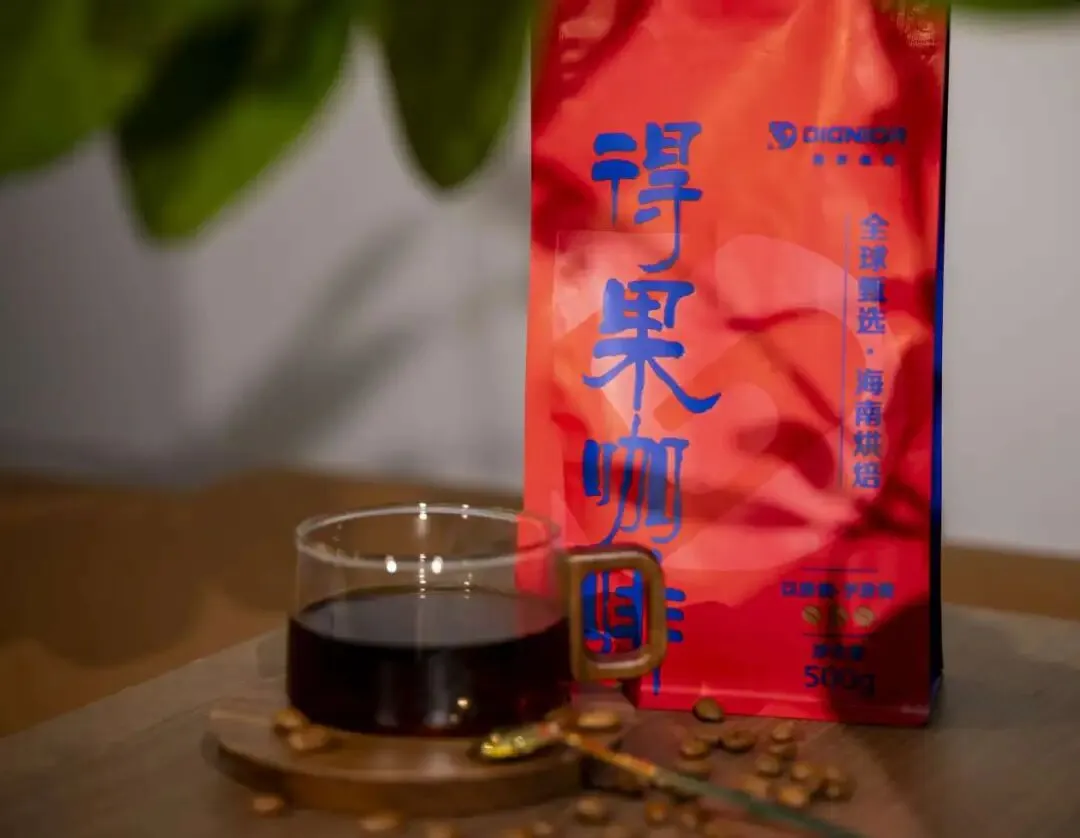
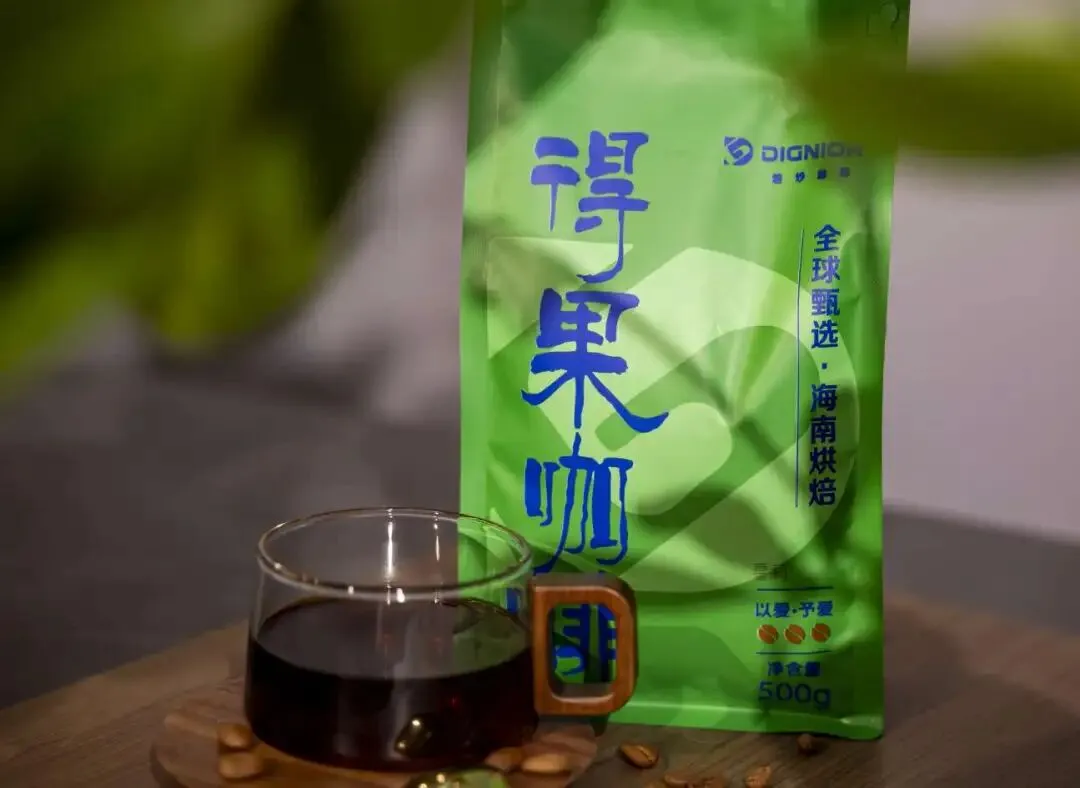
全球甄选 海南烘焙
Dignior?果咖啡
