


教科文组织新报告:
1/3科研人员无缘量子研究设施,
制约量子潜能释放
English versionbelow
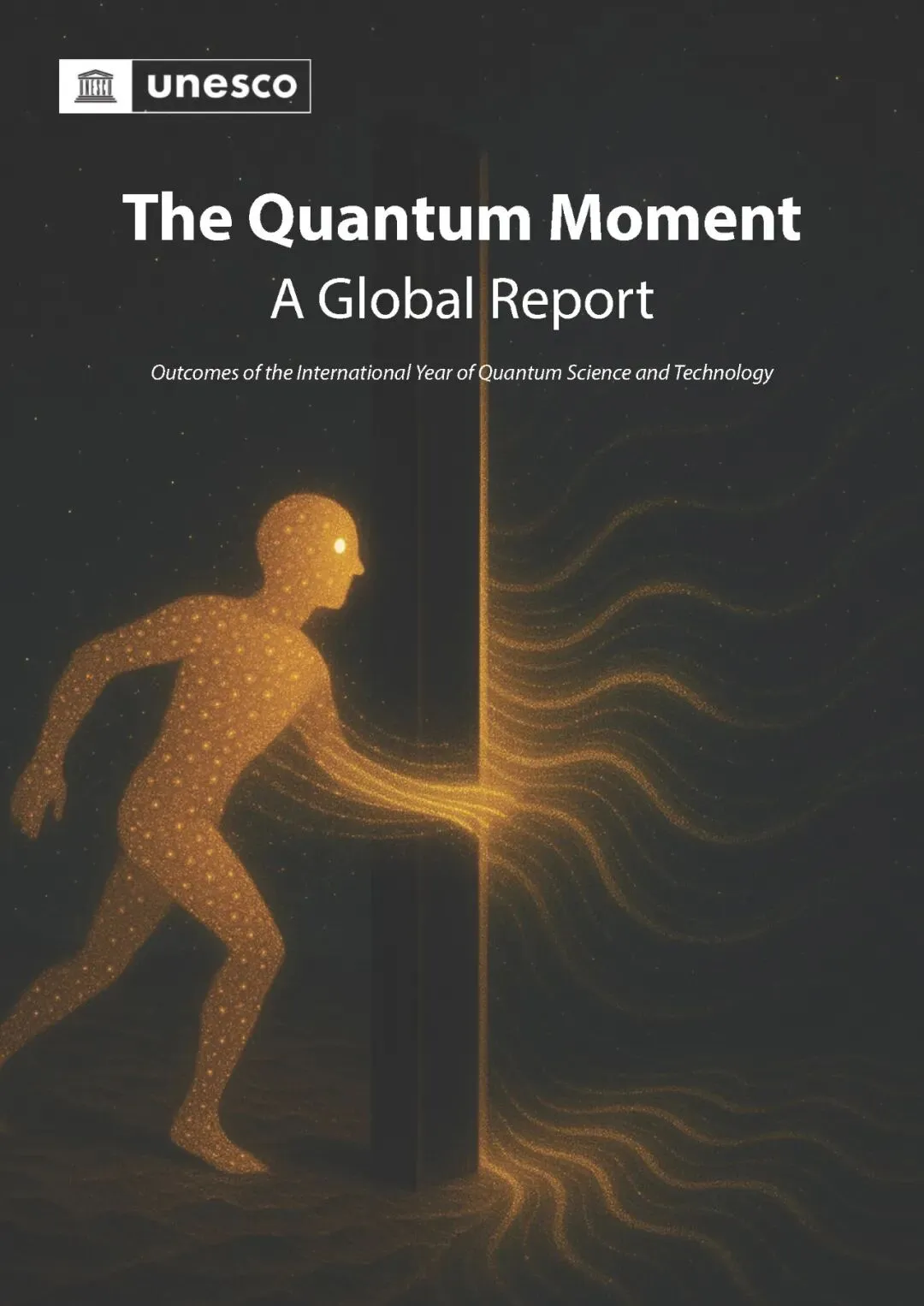
报告封面 © UNESCO
联合国教科文组织在5月5日发布的报告指出,1/3科研人员没有条件使用量子研究设施,这严重限制了量子技术在医疗、计算、网络安全、气候建模等领域的潜力。
《量子时刻:国际量子科学技术年成果全球报告》指出,在量子技术获取方面存在明显的南北差距:过去一年,欧洲和北美平均每国举办的量子科学活动数量是非洲的7倍。研究结果还突出了长期存在的性别差距,在资深量子研究人员中尤为严重。
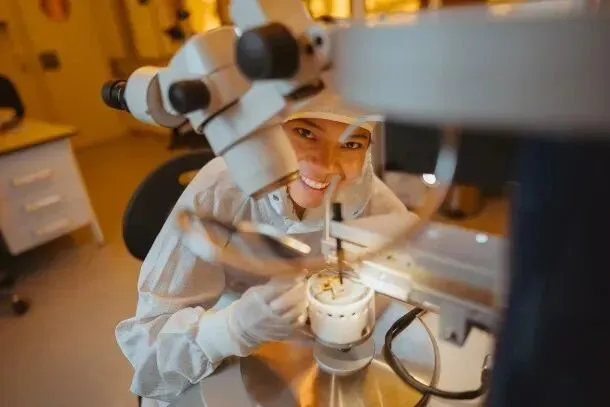
© Christoph Hohmann / MCQST
量子计算机能够同时探索海量的可能方案——就像同时测试迷宫中所有路径以寻找出口,无需像传统计算机那样逐条尝试。
如此应用量子物理可极大提升计算能力,从而彻底改变我们解决某些复杂问题的能力,例如研发新药、以更高精度模拟气候系统,或显著提高金融交易和电信领域的网络安全水平。
但若不采取审慎且协调一致的行动,这种变革带来的好处可能会集中在少数几个国家手中,从而加剧而非解决全球不平等。
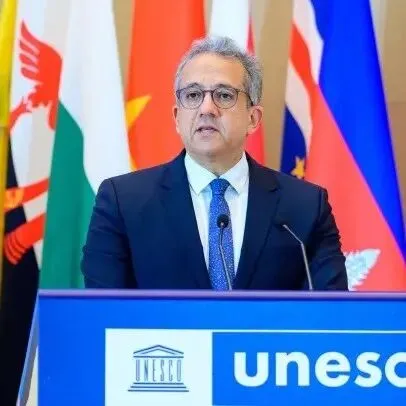
哈立德·阿纳尼
联合国教科文组织总干事
“量子革命不应成为少数国家一马当先,而其余国家只能旁观的故事。教科文组织近期启动的‘全球量子倡议’正是对该报告结论的具体回应,并为应对这一显著全球不平等提供了务实路线图。我们必须立即行动,弥合这一鸿沟,确保量子技术的成果惠及所有人。我们呼吁各国政府、产业界和科学界与我们携手,共同建设真正全球性且公平的量子未来。”
全球共势,但机会不均
《量子时刻:国际量子科学技术年成果全球报告》首次对2025年国际量子科学技术年进行了全面的全球评估。
报告参考83个国家注册的1300场量子科学活动数据(直接参与人数超过120万)及对81个国家590名专家的全球调查,并吸收美国物理学会等顶尖国际科学组织的贡献。
报告既记录了全球对量子科学的广泛关注,也揭示了大多数国家在有效参与量子时代方面所面临的深层障碍。
关于不平等的数据尤为显著。
教科文组织欧洲和北美会员国举办的量子科学活动(如会议、研讨、讲座和编程马拉松)数量是非洲成员国的7倍。
近1/3科研人员报告称,其所在机构无法使用量子研究设施;全球2/3受访者将设备成本视为障碍。
截至2025年年中,全球对量子科学技术的公共和私人投资已达557亿美元,但仍有超过150个国家尚未出台任何形式的国家级量子战略。投资集中在少数经济体,这凸显了挑战的紧迫性。
存在持续的性别差距。
报告还指出,量子相关领域存在持续的性别差距。虽然在量子科学活动中,女性约占早期职业参与者的42%,但随着职业发展,这一比例显著下降——在资深研究员中约为16%,在领导岗位中仅为12%。
弥合鸿沟:包容性量子未来路线图
为解决获取机会不平等问题,教科文组织发起全球量子倡议(GQI)。该框架面向政府、学术界、产业界和公民社会,旨在确保量子技术的开发具有包容性且合乎伦理,不让任何国家被排除在塑造量子未来的进程之外。
具体行动已经展开。依托教科文组织的“远程访问实验室设备倡议”,全球南方的研究人员已能够使用世界上第一台专用于医疗健康研究的量子计算机——位于美国克利夫兰的IBM量子系统1号(Quantum System One),开展与其本国直接相关的药物研发、疾病建模及其他工作。
全球量子倡议致力于复制和推广该计划的实用模式:消除基础设施障碍的方式,并非等待各国建立自己的量子设施,而是打开通向现有设施的门。
更多信息
《量子时刻:国际量子科学技术年成果全球报告》
https://unesdoc.unesco.org/ark:/48223/pf0000398055.locale=en
全球量子倡议(GQI)
https://www.unesco.org/en/global-quantum-initiative
2025年国际量子科学技术年(IYQ)
https://www.unesco.org/en/years/quantum-science-technology
教科文组织远程访问实验室设备倡议
https://www.unesco.org/en/basic-sciences-engineering/remote-access
关于联合国教科文组织
联合国教育、科学及文化组织拥有194个会员国,致力于引领各国在教育、科学、文化、传播和信息领域的多边合作,以此促进和平与安全。
组织总部位于法国巴黎,同时在全球54个国家设有办事处,雇员共2300余人。
教科文组织负责协调2000多处世界遗产、生物圈保护区、世界地质公园,创意城市、学习型城市、包容和可持续城市网络,以及1.3万余所联系学校、大学教席、培训和研究中心。
200个会员国的联合国教科文组织全国委员会组成紧密的全球网络。现任总干事为哈立德·阿纳尼。
《联合国教科文组织组织法》(1945年)
“
战争起源于人之思想,故务需于人之思想中筑起保卫和平之屏障。
更多信息
www.unesco.org/zh
New UNESCO Report:
One in three researchers have no access to quantum research facilities, depriving society of its full potential
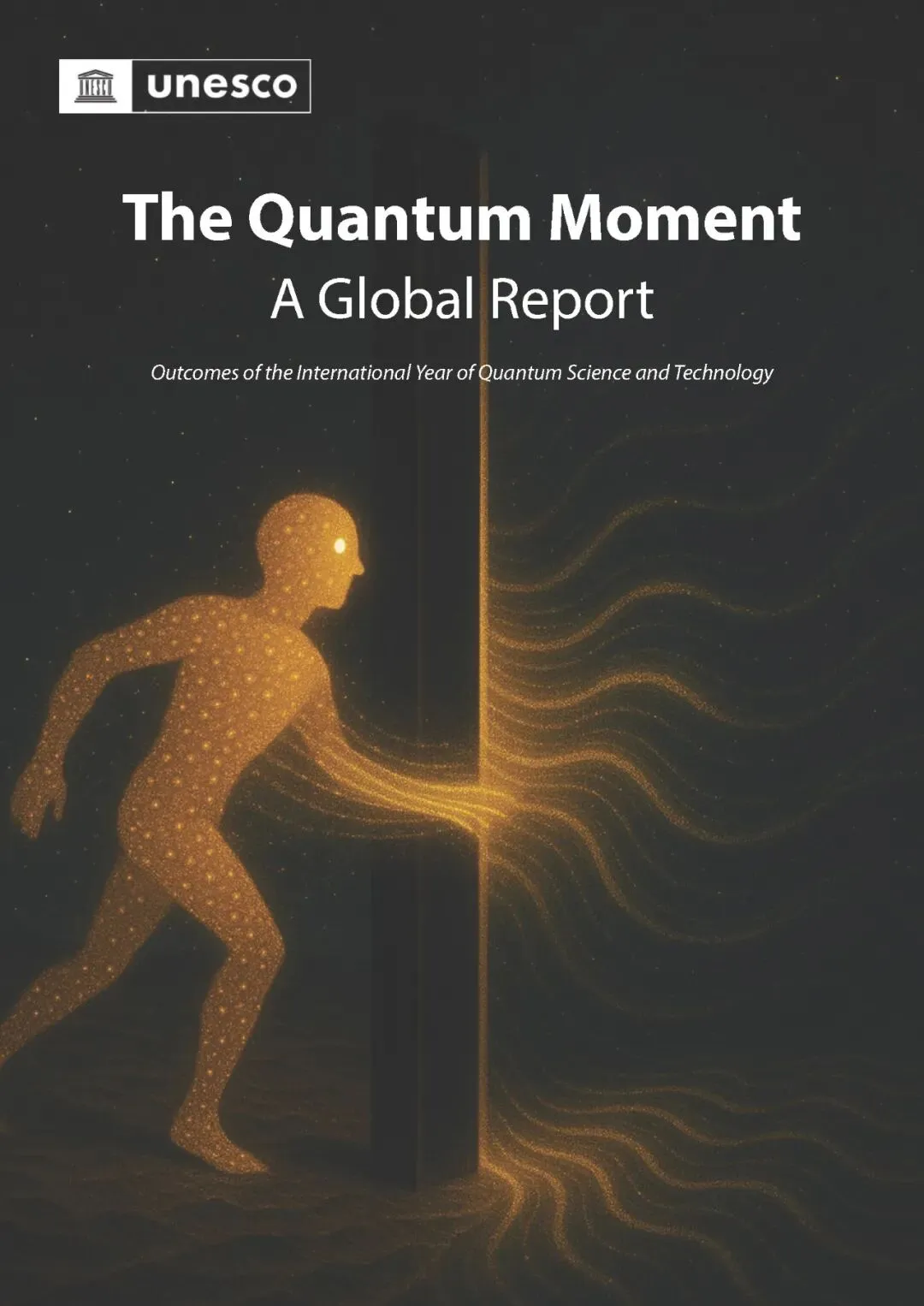
Report cover © UNESCO
One in three researchers have no access to quantum research facilities, heavily limiting its potential in fields including healthcare, computing, cybersecurity and climate modelling, according to a UNESCO report released on May 5, 2026.
‘The Quantum Moment: A Global Report, Outcomes of the International Year of Quantum Science and Technology’ shows there are stark North-South divides in access to the technology, with Europe and North America holding seven times more quantum science events per country in the past year compared to Africa.
Findings also highlight a persistent gender gap, especially among senior level quantum researchers.
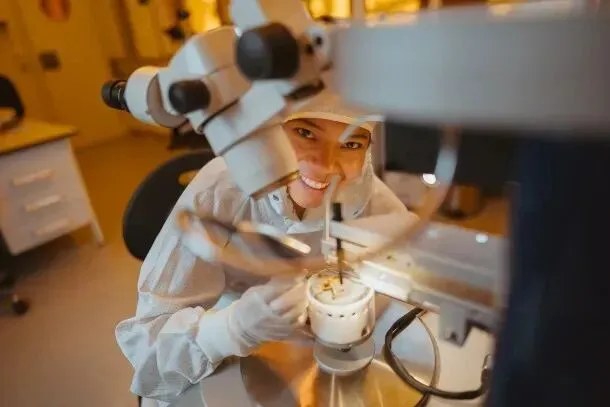
© Christoph Hohmann / MCQST
Quantum computers can explore an enormous number of possible solutions simultaneously – like finding the exit of a maze by testing every path at once, rather than one after another as a classical computer would.
Harnessing quantum physics in this way vastly increases computing power, and could revolutionise our ability to resolve certain complex problems such as discovering new drugs, modelling climate systems with far greater accuracy, or significantly improving cyber-security for financial transactions and telecoms.
But without deliberate and coordinated action, the benefits of this transformation risk being concentrated in the hands of a small number of countries, deepening global inequalities rather than addressing them.
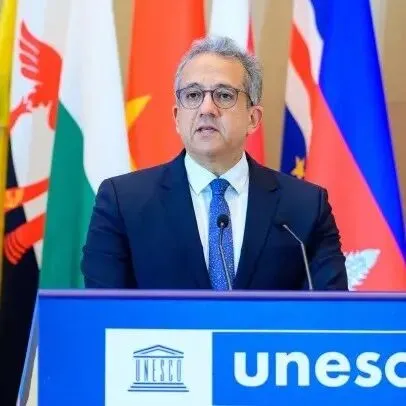
Khaled El-Enany
UNESCO Director-General
"The quantum revolution cannot be a story of a few countries racing ahead while the rest of the world watches. UNESCO’s recently launched Global Quantum Initiative is a concrete response to the findings of this report, and provides a practical roadmap to tackle this striking global inequality. We must act now to bridge this divide and ensure the benefits of quantum technology are shared by all. We call on governments, industry, and the scientific community to join us in building a truly global and equitable quantum future."
Global momentum, unequal access
The Quantum Moment: A Global Report, Outcomes of the International Year of Quantum Science and Technology presents the first comprehensive global assessment of the 2025 International Year of Quantum Science and Technology (IYQ).
Drawing on data from 1,300 registered quantum science events across 83 countries with direct participation exceeding 1.2 million people, a global survey of 590 experts in 81 countries, and built on contributions from leading international scientific organizations such as the American Physical Society, the report documents both the scale of global interest in quantum science and the depth of the barriers that stand between most countries and meaningful participation in the quantum era.
The data on inequality are stark.
UNESCO member states across Europe and North America concentrate seven times more quantum science events – such as conferences, workshops, seminars and hackathons – compared with those in Africa.
Nearly one in three researchers report that their institutions have no access to quantum research facilities, while equipment costs are cited as a barrier by two thirds of respondents globally.
More than 150 countries have yet to adopt any form of national quantum strategy, even as global public and private investment in quantum science and technology reached USD 55.7 billion as of mid-2025. The concentration of that investment in a small number of economies underscores the urgency of the challenge.
A persistent gender gap.
The report also points to a persistent gender gap in quantum-related fields.
While women represented approximately 42% of early-career participants in quantum science events, their share declines significantly along the career pathway, to around 16% at senior researcher level and just 12% in leadership positions.
Bridging the divide: a roadmap for an inclusive quantum future
To address this inequality of access, UNESCO launched the Global Quantum Initiative (GQI), a framework for governments, academia, industry and civil society to ensure quantum technologies are developed inclusively and ethically, ensuring no country is excluded from shaping the quantum future.
Concrete action is already underway. Under UNESCO's Remote Access to Lab Equipment Initiative, researchers from the Global South can now access the world's first quantum computer dedicated to healthcare research (IBM Quantum System One in Cleveland, USA) to work on drug discovery, disease modelling and other challenges directly relevant to their countries.
The programme illustrates a practical model the GQI aims to replicate and scale: removing the infrastructure barrier not by waiting for every country to build its own quantum facility, but by opening doors to existing ones.
Read more
The Quantum moment: a global report; Outcomes of the International Year of Quantum Science and Technology
https://unesdoc.unesco.org/ark:/48223/pf0000398055.locale=en
Global Quantum Initiative (GQI)
https://www.unesco.org/en/global-quantum-initiative
2025 International Year of Quantum Science and Technology (IYQ)
https://www.unesco.org/en/years/quantum-science-technology
UNESCO's Remote Access to Lab Equipment Initiative
https://www.unesco.org/en/basic-sciences-engineering/remote-access
About UNESCO
With 194 Member States, the United Nations Educational, Scientific and Cultural Organization contributes to peace and security by leading multilateral cooperation on education, science, culture, communication and information.
Headquartered in Paris, UNESCO has offices in 54 countries and employs over 2300 people.
UNESCO oversees more than 2000 World Heritage sites, Biosphere Reserves and Global Geoparks; networks of Creative, Learning, Inclusive and Sustainable Cities; and over 13 000 associated schools, university chairs, training and research institutions, with a global network of 200 National Commissions. Its Director-General is Khaled El-Enany.
UNESCO Constitution, 1945
“
Since wars begin in the minds of men, it is in the minds of men that the defenses of peace must be constructed.
More information
https://www.unesco.org/en
