






2026
全球化工市场要情暨
化销国贸高质量发展
系列报道
Global Chemical Market
Highlights & SCCI
High Quality Development
Series Report
2026年第5期(总298期)
Issue #5, 2026 (Total 298)





中文版


化销国贸声音


要贯彻落实集团公司年度工作会精神,推动创新驱动战略落地。我们要强化市场在研发攻关方向、技术路线选择上的牵引作用,用活用好海外健全的营销网络,精准获取下游行业前沿动态并及时反馈给生产企业和科研机构,提供国际视野和全球方案,为提升快速响应市场需求能力,打通“科研-产业-市场”价值链,助力中国石化科学研究范式深刻变革贡献专业力量;要在联动科研定向开发、生产装置排产优化等方面,充分发挥销售端“敏捷响应”作用,加大生物基聚烯烃、PP三元膜料、抗冲共聚料等高附加值产品推广力度,以“黄金终端”引领价值创造、产业创新与竞争力跃升。要大力推进人才强企,坚持全球引才、实战育才,聚焦高端化工新材料、国际贸易、供应链金融、数智化营销等关键领域,培养领军人才、专家型人才和复合型人才,全力打造国际化人才高地,保障并驱动公司高质量发展。

全球化工市场要情


播报员:许亨硕 (Huh Hyungseok)
(一)全球化工市场要情
1.欧洲化工业处于崩溃边缘。
欧洲化学工业理事会(Cefic)报告显示,2022-2025年欧洲化工行业关闭产能激增6倍,累计达3700万吨,占总产能9%。在产能关停方面,四年间关停产能逐年上升,2025 年达1720万吨,上游石化行业受冲击最大,关停1780万吨,占总关停量48%,德国和荷兰关停最多,合计占45%。在投资与资本支出上,行业年度投资从2022年的270万吨降至2025年的30万吨,资本支出下降81%,创新领域投资大幅收缩,仅余少数试点项目。
2.欧洲MAK集团产能迁出。
欧洲化工企业MAK德国集团与阿曼苏哈尔港及自由贸易区签署协议建设综合性生产基地,生产纯对苯二甲酸(PTA)及聚对苯二甲酸乙二醇酯(PET)。此前,MAK收购的荷兰鹿特丹港PTA及PET工厂因成本高,于2024年关闭,鹿特丹港现有相关生产设施将整体转移至阿曼苏哈尔自由贸易区,整合后年总产能达150万吨。卡塔尔国有企业OQ炼油及石油工业公司将通过管道为基地输送对二甲苯原料,苏哈尔港保障单乙二醇、醋酸等其他原材料的进口与运输。新基地产品将供应中东、非洲、亚洲及欧洲市场。
3.马来西亚首个SAF装置满负荷运营。
香港中华煤气与美国贝恩资本联合控股的生物燃料企业埃科塞雷斯宣布,其位于马来西亚新山丹戎浪萨特的新厂接近满负荷运营。该工厂于2025年10月投产,是马来西亚首座可持续航空燃料(SAF)生产设施,年产能最高42万吨,产品有SAF、加氢处理植物油及生物石脑油。工厂在2024年12月向欧洲发运首批SAF货物,同时拓展亚洲市场。目前新加坡、韩日等国已推行SAF使用强制政策,马来西亚也在探讨1%掺混比例强制要求的可行性。
(二)重点化工产品商情
1. 石脑油CFR日本价格上涨3.4%至591.2美元/吨。
装置及市场动态:本周,亚洲石脑油市场呈涨势,因成本端支撑坚挺。国际油价上涨提供成本支撑,且亚洲部分炼厂3月起陆续检修,市场预期石脑油产量下降。虽然下游烯烃与芳烃产业链利润表现有分歧,但亚洲汽油需求端缺乏利好,未给市场额外助力。
2. 甲醇CFR中国价格维持268美元/吨。
装置及市场动态:本周,亚洲甲醇市场震荡。周内,受宏观冲击及港口下游需求弱影响,甲醇回吐前期涨幅,CFR中国价格震荡。印度市场,因卢比兑美元汇率跳涨,港口库存充裕,且有运力瓶颈、船舶卸货延迟传闻强化供应宽松预期,再受亚洲其他市场弱势拖累,价格震荡走跌。东南亚地区,因需求极度疲弱,市场较上周末仅小幅上调1美元/吨。欧洲甲醇市场因美国墨西哥湾沿岸供应中断,价格高位持稳。美国市场,极端天气影响消退,短期供应链扰动情绪缓和,但中长期需求疲软预期压制市场,价格震荡上行。
3. 乙烯CFR东北亚价格下跌0.6%至700.6美元/吨。
装置及市场动态:本周,亚洲乙烯价格微幅下跌。因区域供应格局有差异,东南亚跌幅较大,东北亚仅个位数跌幅。原油及石脑油价格震荡,裂解装置生产利润缩水。中国台湾部分裂解装置关停导致整体开工下降,当地出现部分现货需求,但在东北亚整体供应充足的影响下,乙烯价格仍下跌。此外,东南亚还有部分现货货源,市场看跌情绪浓。
4. 甲苯FOB韩国价格上涨1%至726美元/吨。
装置及市场动态:本周,亚洲甲苯市场先跌后涨。因原油价格连续反弹、上游石脑油价格走强、联合装置歧化利润态势较好,支撑市场价格震荡上涨,但东南亚地区需求疲软、商谈活跃度低。中国甲苯歧化需求稳健、汽油混调需求略有上升,支撑市场价格小幅走强。美国市场供需结构无明显变动,市场价格主要随原油及汽油期货价格波动。欧洲市场商家多观望、商谈活跃度不高,下游需求维持刚需。
5. 纯苯FOB韩国价格上涨1.3%至769.4美元/吨。
装置及市场动态:本周,纯苯市场呈先跌后涨走势,幅度各异。亚洲市场因下游表现强劲,场内情绪好转,但周内“资金离场”且成本端支撑不足致价格下滑,周末原油上涨带动芳烃产业链上调,纯苯价格反弹。欧洲市场供应仍少,听闻 2 月下旬至 3 月上旬有进口货源补充。美国纯苯受美伊地缘政治影响,上游原料波动使价格区间震荡,后续将持续关注美伊局势。
6. 对二甲苯(PX)CFR中国价格下跌1.2%至906美元/吨。
装置及市场动态:本周,国际PX市场震荡走低,亚洲PX尽管需求相对稳健,但中化泉州 PX 装置负荷陆续提升,特别是国际原油暴跌,化工品全线走低,引发市场恐慌性抛盘,PX 期货市场大跌,随后大宗品普遍回暖,PX 市场止跌反弹,但终端聚酯需求减弱,市场反弹幅度受限。
7. 乙二醇CFR中国价格下跌3.8%至447美元/吨。
装置及市场动态:本周,亚洲乙二醇市场价格下滑。周内传出多套装置检修消息,后期将收缩亚洲区域供应,为市场提供支撑。不过,沙特Sharq 45万吨/年乙二醇装置近期重启升温,该装置于2025年12月上旬停车检修,其重启将补充中东地区货源,部分抵消东北亚装置检修导致的供应收缩影响。价格方面,原油价格下跌使乙二醇盘面承压下滑,带动现货价格走弱,且下游聚酯开工下滑,终端纺织行业临近春节逐步停工,采购需求持续收缩,仅维持刚需补货,难以形成有效需求支撑。
8. 己内级硫酸铵FOB中国价格上涨1.7%至178美元/吨。
装置及市场动态:本周,己内级硫酸铵价格稳中有涨。工厂无出货压力,用户多按需补单;临近春节,终端价格跟进缓慢,实盘高位成交不畅。
9. PP纤维/注塑料CFR东南亚价格上涨1.8%至843美元/吨。
装置及市场动态:本周,亚洲聚丙烯市场价格周环比上涨,均聚物级产品价格小幅上扬。上周末部分交易高价达成,卖方坚持高价,虽需求不旺但无库存压力无需降价,交易商称本周未闻低价交易。东南亚方面,因农历新年假期和斋月将至,且买家库存充足,购买意愿极低。一些买家还指出,伊朗局势紧张和原油价格波动等宏观经济因素使其不愿购买大宗商品。

化销国贸高质量发展
系列报道


1
工作谋划部署
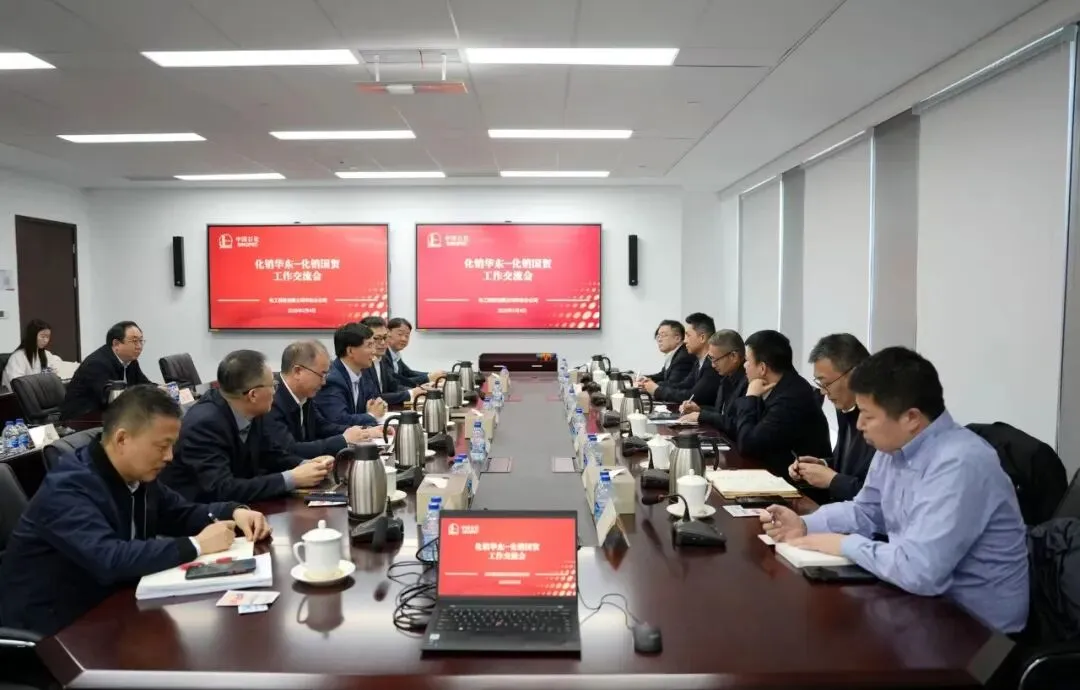
化销国贸赴化销华东开展业务交流
2月4日,化销国贸董事、党委书记檀大水与总经理、党委副书记林文选赴化销华东开展业务合作交流,化销华东分公司代表、党委书记孔全,总经理、党委副书记张玉言出席,双方主要部门负责人参加交流。
双方系统回顾了2025年国际化经营主要指标及“一企一制”完成情况,并就共同关切的问题与建议进行深入交流。
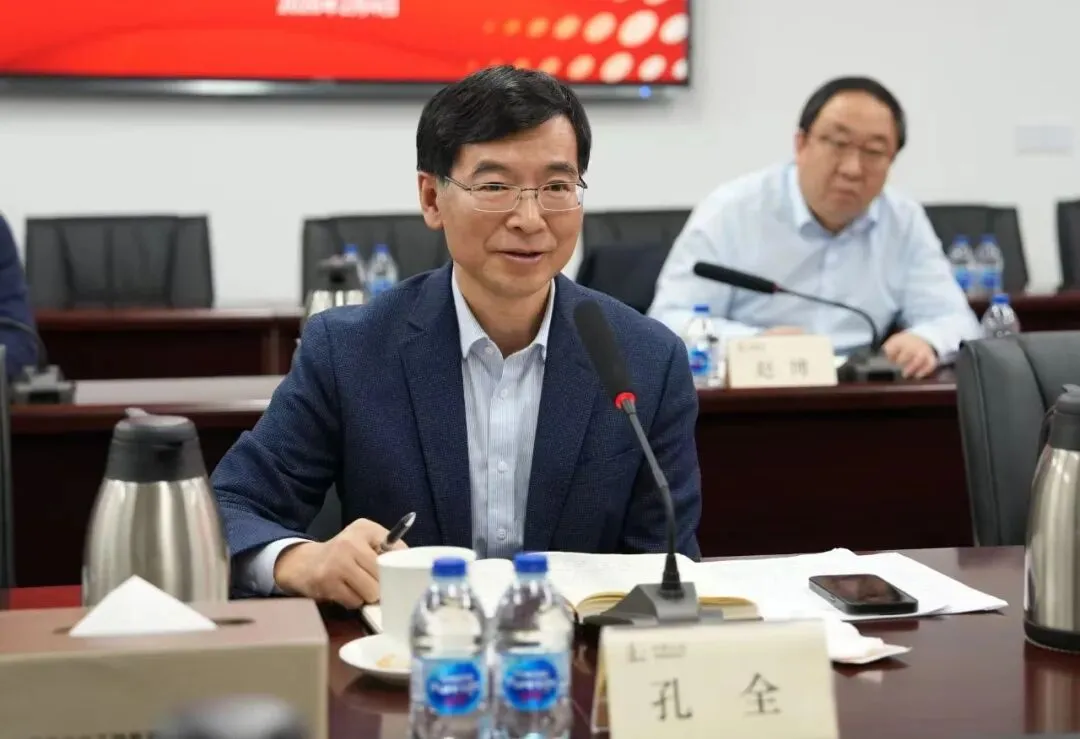
孔全对化销国贸一年来的支持表示感谢。2026年,希望双方在国际化经营上主动谋划、强化协同,共同加强内外信息沟通与市场研判,与企业共同建立健全“风险共担、利润共享”的三方协同机制,强化过程控制与金融工具应用,确保全年国际化经营任务目标顺利完成。
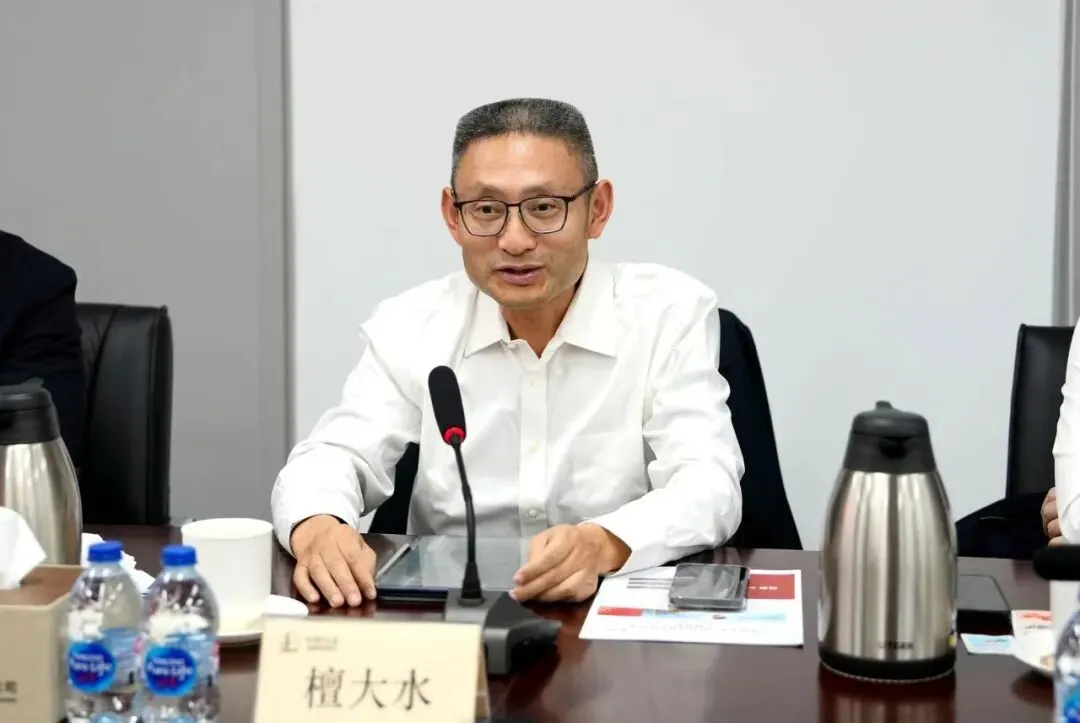
檀大水感谢化销华东一直以来对化销国贸的大力支持与无私帮助。表示在国际经贸形势愈加严峻复杂的背景下,愿与化销华东共担风险、共享机遇,充分发挥内外紧密协作优势,为实现双方2026年国际化经营卓越目标而共同奋斗。下一步,化销国贸将进一步加大全球“扫市场”,尤其是海外新兴市场开拓力度,通过“强条”管理推动海外市场开发再进一步;以信息深度共享强化业务密切协同,在提升JIT直发出口比例、统销出口资源协调、保障企业生产稳定性与满足海外客户包装需求等方面,与化销华东紧密沟通、攻坚克难,共同为中国石化化工品国际化事业而努力奋斗。(贾安琪)
2
强化党建引领
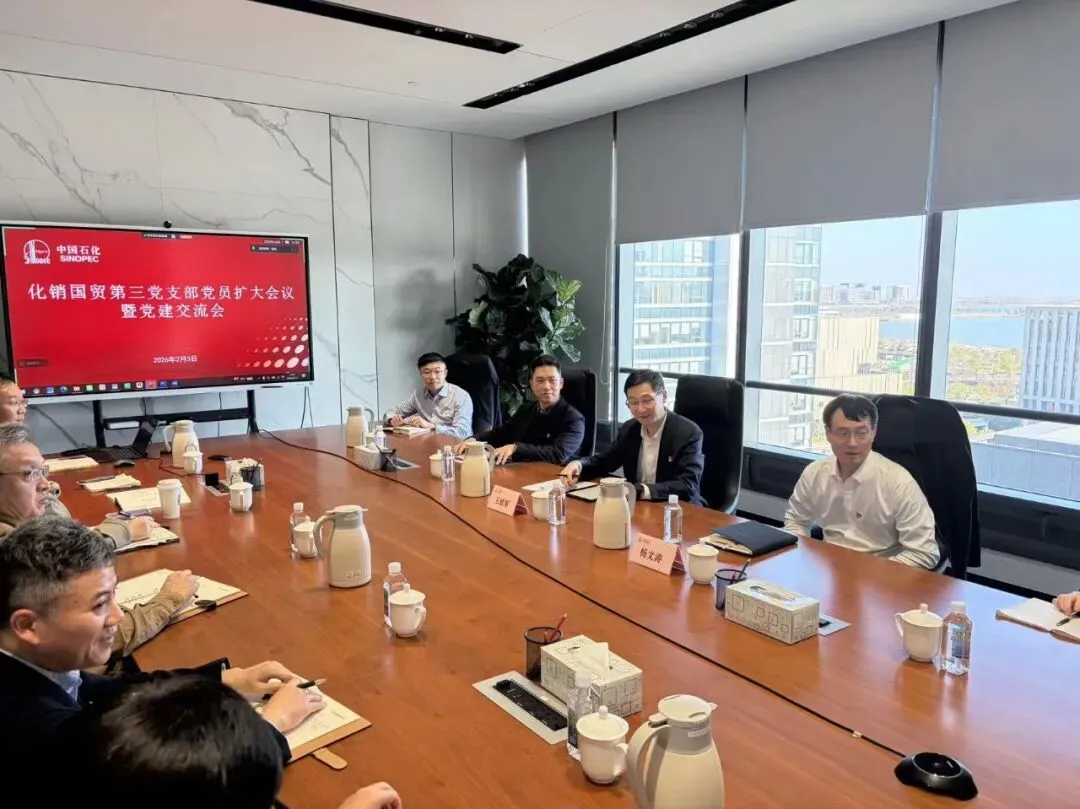
王延军赴化销国贸讲授专题党课并调研
2月3日,化工销售公司党委委员、副总经理王延军带队到化销国贸开展调研,并为化销国贸第三党支部讲授“深入学习贯彻党的二十届四中全会精神”专题党课。
王延军强调:一是要提高政治站位,深刻领会党的二十届四中全会的重大意义。二是要聚焦核心要义,系统领悟化工销售“十五五”战略部署。三是要锚定主责主业,为奋力实现“十五五”战略任务目标起好步开好局。四是要强化组织保障,确保全会精神在公司落地生根。他号召,第三党支部乃至化销国贸全体党员要以更开阔的视野、更奋进的姿态做强做大中国石化国际化经营,为实现“十五五”战略目标拼搏奋进。
调研过程中,针对当前业务发展中存在的资源统筹、协同效率、系统建设等方面的挑战,王延军指出,一要强化统筹协调,筑牢资源保障防线,提升计划刚性与执行力;二要加快数智化转型步伐,完善风控与运营系统功能,以科技赋能高质量发展;三要深化内外协同联动,建立健全风险共担、效益共享机制,凝聚上下一心的发展合力;四要夯实基础管理,加强人才队伍建设与合规体系完善,为业务拓展提供坚实支撑。
会后,化销国贸第三党支部全体党员与化工销售第六党支部围绕党课主题开展党建交流。(智海 巩雨)
3
聚焦主责主业
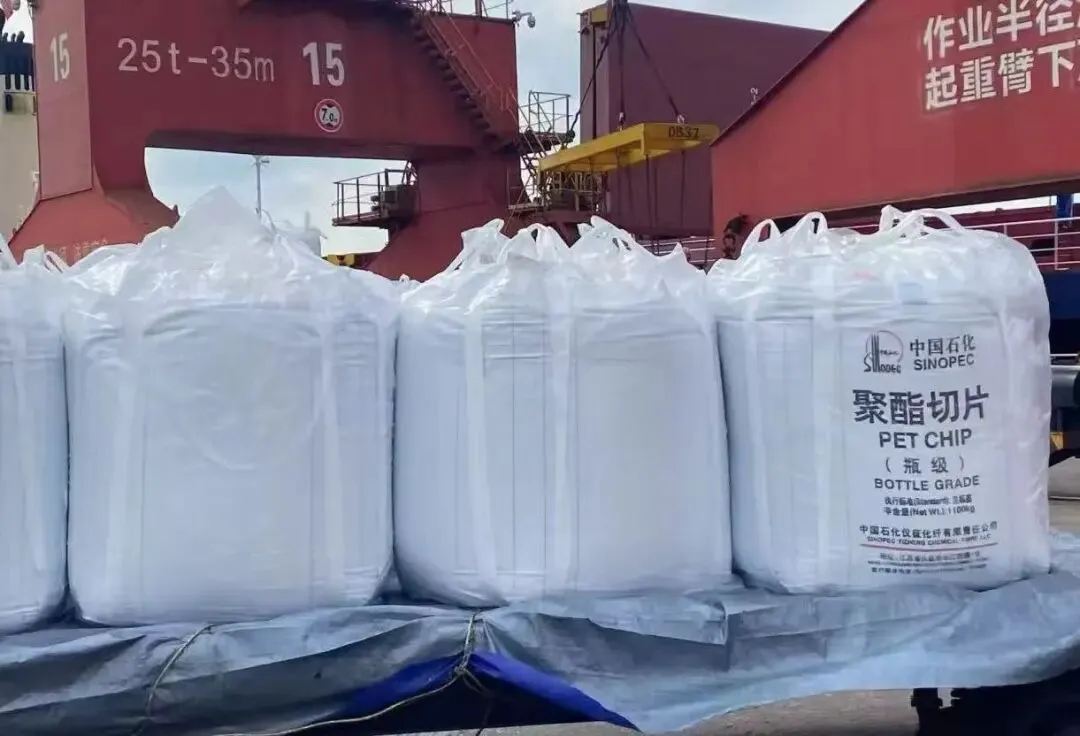
化销国贸2025年出口仪征化纤聚酯规模再创新高
2025年,化销国贸在化销华东与仪征化纤的鼎力支持下,实现仪征化纤聚酯产品出口12.9万吨,在“量”创下新高的同时,通过聚焦海外中高端市场及细分领域、创新应用营销工具等手段,在“质”上也取得了新的突破。
攻坚高端市场,膜级切片成为日韩标杆。2025年,化销国贸联合化销华东、仪征化纤,瞄准日韩及东南亚高端薄膜市场需求,开展产销研用一体化攻关,定制开发的高品质膜级聚酯切片成功进入韩国、日本领军企业,成为当地高端市场首选;另外,通过贴心服务持续巩固在泰国、印尼、越南的战略客户,显著提升了中国石化聚酯产品在海外中高端市场的竞争力与份额。
创新营销模式,抓牢瓶片区域市场机遇。2025年,聚酯团队积极运用金融工具、灵活贸易模式,在聚酯瓶片业务上实现多项突破:成功完成化工销售首单期货套保操作,通过大力开展头寸经营、散货船运输及远期锁汇等措施,销售规模在非洲、中东、东南亚等区域市场迅速扩大,尤其是突尼斯出口量已占全国瓶片出口至该市场总量的20%,国际竞争力和影响力显著提升。
深耕细分领域,涤纶短纤业务有力拓展。一方面,针对欧洲无纺布高端需求,优化产品指标,成功切入中高端应用;另一方面,借助RCEP关税优势,深耕传统海外纺织市场,通过优化产品品质、价格及上门服务等,提升客户满意度,并实现再生环保短纤首次出口东南亚,引领绿色贸易潮流。(樊荣 杨燕 娄坚波 刘辉 倪中泽)
4
聚焦主责主业
化销国贸加快开发东南亚树脂终端用户
1月份,东南亚市场传来捷报:化销国贸树脂团队于25年底寄送的广州石化线型低密度LLDPE产品已凭借其优异的稳定性与可靠性,通过用户实验室严格的产品性能测验。团队紧抓机遇,加速推进客户准入流程,与其达成首批试料采购订单,在终端用户拓展上取得了新的突破。
新的一年,化销国贸高度重视终端工厂用户走访与开发工作。此次聚焦高附加值产品,成功开发东南亚终端工厂用户,标志着化销国贸在东南亚聚乙烯市场继续取得关键性突破,是化销国贸贯彻落实集团公司市场开拓战略与开放合作战略的生动实践,为后续深化终端合作、扩大市场份额奠定了基础。(苏适 杨丹诺 欧阳玮奇)
5
深耕国际市场

化销国贸首次出口车用尿素
近期,化销国贸加大新兴市场国家的“扫市场”力度,积极寻找合适出口配额,首次将500吨车用尿素成功出口到南美市场,为2026年新产品、新市场开拓“再下一城”。
2025年以来,化销国贸推动从“硫酸铵团队”到“化肥团队”的转变,持续协同海外运营中心加大“扫市场”力度,努力做大化肥出口总量。近期在获悉南美某终端客户有车用尿素需求后,该团队努力克服国内尿素出口配额大幅减少的困难,联系国内多家供应商,最终匹配到500吨可出口配额。在与客户多次介绍出口政策、沟通价格、交货期后,最终成交500吨车用尿素出口订单,标志着化销国贸首次开展尿素在车用领域的出口,为后期拓量增效提供了方向。(张光辉)
English Version

GLOBAL CHEMICAL
MARKET BRIEF



(I) Highlights of chemical market
1.European Chemical Industry on the Brink of Collapse.
According to a report by the European Chemical Industry Council (Cefic), the closed production capacity of the European chemical industry surged sixfold between 2022 and 2025, totaling 37 million tons, accounting for 9% of the total capacity.In terms of capacity closures, the volume of shut-down capacity rose year by year over the four years, reaching 17.2 million tons in 2025. The upstream petrochemical industry was hit the hardest, with 17.8 million tons of capacity closed, accounting for 48% of the total shut-down volume.Germany and the Netherlands recorded the most closures, together making up 45% of the total. In terms of investment and capital expenditure, the industry's annual investment dropped from 2.7 million tons in 2022 to 300,000 tons in 2025, representing an 81% decline in capital expenditure.Investment in innovation has shrunk significantly, leaving only a few pilot projects in place.
2. MAK Group's capacity relocation from Europe.
MAK Group Germany, a European chemical enterprise, signed an agreement with the Port of Sohar and Free Trade Zone in Oman to build an integrated production base, which will produce purified terephthalic acid (PTA) and polyethylene terephthalate (PET).Previously, the PTA and PET plant in the Port of Rotterdam, Netherlands, acquired by MAK, was shut down in 2024 due to high costs. The existing related production facilities in the Port of Rotterdam will be fully transferred to the Sohar Free Trade Zone in Oman.After integration, the total annual capacity will reach 1.5 million tons. OQ, a Qatari state-owned oil refining and petrochemical company, will supply para-xylene raw materials to the base via pipelines.The Port of Sohar will ensure the import and transportation of other raw materials such as monoethylene glycol and acetic acid. Products from the new base will be supplied to markets in the Middle East, Africa, Asia and Europe.
3.Malaysia’s First SAF Facility Operating at Near Full Capacity.
EcoCellex, a biofuel enterprise co-controlled by Hong Kong and China Gas and Bain Capital of the United States, announced that its new plant in Tanjung Langsat, Johor, Malaysia, is operating at near full capacity.Commissioned in October 2025, the plant is Malaysia's first sustainable aviation fuel (SAF) production facility, with a maximum annual capacity of 420,000 tons. Its products include SAF, hydrotreated vegetable oil and bio-naphtha.The plant shipped its first batch of SAF cargo to Europe in December 2024, while actively expanding into the Asian market.At present, countries including Singapore, South Korea and Japan have implemented mandatory SAF use policies, and Malaysia is exploring the feasibility of a mandatory 1% blending ratio.
(II) Business information of key chemical products
1. Naphtha (CFR Japan): Price rose 3.4% to $591.2 per ton.
Plant & Market Dynamics: This week, the Asian naphtha market trended upward on strong cost-side support. Rising international crude oil prices underpinned costs. Meanwhile, some Asian refineries will start maintenance one after another from March, fueling market expectations of lower naphtha output. Downstream olefin and aromatic hydrocarbon chains showed divergent profit performance. Weak demand for gasoline in Asia failed to provide additional impetus to the market.
2. Methanol (CFR China): Price remained stable at $268 per ton.
Plant & Market Dynamics: The Asian methanol market fluctuated this week. Affected by macro shocks and weak downstream demand at ports, methanol gave up its earlier gains, with CFR China prices fluctuating. In the Indian market, the rupee jumped against the US dollar. Ample port inventories, coupled with rumors of shipping bottlenecks and delayed vessel unloading, strengthened expectations of loose supply. Dragged down by weakness in other Asian markets, prices fluctuated and declined. In Southeast Asia, demand was extremely sluggish, and market prices edged up only $1 per ton from last weekend. The European methanol market held steady at a high level due to supply disruptions along the US Gulf Coast. In the US market, the impact of extreme weather has faded, easing short-term supply chain concerns. However, expectations of weak medium-to-long-term demand weighed on the market, resulting in fluctuating and upward prices.
3. Ethylene (CFR Northeast Asia): Price fell 0.6% to $700.6 per ton.
Plant & Market Dynamics: Asian ethylene prices edged down this week. Regional supply patterns varied, with larger declines in Southeast Asia and only single-digit drops in Northeast Asia. Volatile crude oil and naphtha prices squeezed the production profits of cracking units. Shutdowns of some cracking plants in Taiwan, China lowered the overall operating rate and triggered some spot demand locally. Yet, sufficient supply across Northeast Asia still pushed ethylene prices down. In addition, there was ample spot supply in Southeast Asia, fueling strong bearish sentiment in the market.
4. Toluene (FOB South Korea): Price rose 1% to $726 per ton.
Plant & Market Dynamics: The Asian toluene market first declined then rose this week. Continuous rebounds in crude oil prices, stronger prices of upstream naphtha and sound disproportionation profits of integrated plants supported the market's fluctuating upward trend. However, demand in Southeast Asia was weak, with low negotiation activity. In China, steady demand for toluene disproportionation and a slight increase in gasoline blending demand boosted market prices slightly. In the US market, the supply-demand structure remained unchanged, and prices mainly moved in tandem with crude oil and gasoline futures. In Europe, most merchants adopted a wait-and-see stance, with low negotiation activity and downstream demand remaining at just-needed levels.
5. Benzene (FOB South Korea): Price rose 1.3% to $769.4 per ton.
Plant & Market Dynamics: The benzene market followed a trend of first falling then rising this week, with varying magnitude across regions. In Asia, strong downstream performance lifted market sentiment. However, "capital withdrawal" during the week and insufficient cost support dragged prices down. A rebound in crude oil prices at the weekend drove up the aromatic hydrocarbon chain, leading to a recovery in benzene prices. Supply in the European market remained tight, and market talk suggested imported cargoes will arrive for replenishment from late February to early March. US benzene prices fluctuated in a range due to upstream raw material volatility, which was affected by US-Iran geopolitical tensions. Market participants will continue to monitor the US-Iran situation closely.
6. Paraxylene (PX) (CFR China): Price fell 1.2% to $906 per ton.
Plant & Market Dynamics: The international PX market fluctuated downward this week. Despite relatively stable demand for PX in Asia, the operating rate of the PX unit at Sinochem Quanzhou increased gradually. Especially, the slump in international crude oil prices dragged down chemical products across the board, triggering panic selling and a sharp drop in PX futures prices. Subsequently, bulk commodities generally recovered, allowing the PX market to stop falling and rebound. Yet, weakening terminal polyester demand capped the rebound range.
7. Ethylene Glycol (EG) (CFR China): Price fell 3.8% to $447 per ton.
Plant & Market Dynamics: The Asian EG market price declined this week. News emerged that several units will undergo maintenance, which will reduce supply in the Asian region later and provide support to the market. However, the 450,000-ton-per-year EG unit at Saudi Sharq has recently ramped up restart preparations. The unit was shut down for maintenance in early December 2025, and its restart will supplement supplies in the Middle East, partially offsetting the supply reduction caused by unit maintenance in Northeast Asia. In terms of prices, falling crude oil prices pressured EG futures prices downward, dragging spot prices lower. Moreover, downstream polyester operating rates declined. As the Spring Festival approached, the terminal textile industry suspended production gradually, leading to a continuous contraction in procurement demand. Market players only maintained just-needed replenishment, which failed to form effective demand support.
8. Caprolactam-grade Ammonium Sulfate (FOB China): Price rose 1.7% to $178 per ton.
Plant & Market Dynamics: Caprolactam-grade ammonium sulfate prices were steady with an upward bias this week. Factories faced no pressure in product shipments, and users mostly placed replenishment orders on demand. As the Spring Festival drew near, terminal prices rose slowly, and transactions at high prices were sluggish.
9.PP Fiber/Injection Molding Grade (CFR Southeast Asia): Price rose 1.8% to $843 per ton.
Plant & Market Dynamics: Asian polypropylene (PP) market prices increased week-on-week, with homopolymer-grade product prices edging up. Some high-price transactions were concluded last weekend, and sellers insisted on maintaining high prices. Despite weak demand, they had no inventory pressure and thus no need to cut prices. Traders reported no low-price transactions this week. In Southeast Asia, buying interest was extremely low as the Lunar New Year and Ramadan approached, and buyers held ample inventories. Some buyers noted that macroeconomic factors, including escalating tensions in Iran and volatile crude oil prices, made them reluctant to purchase bulk commodities.

SCCI High Quality
Development
Series Report


1
Work Planning and Deployment
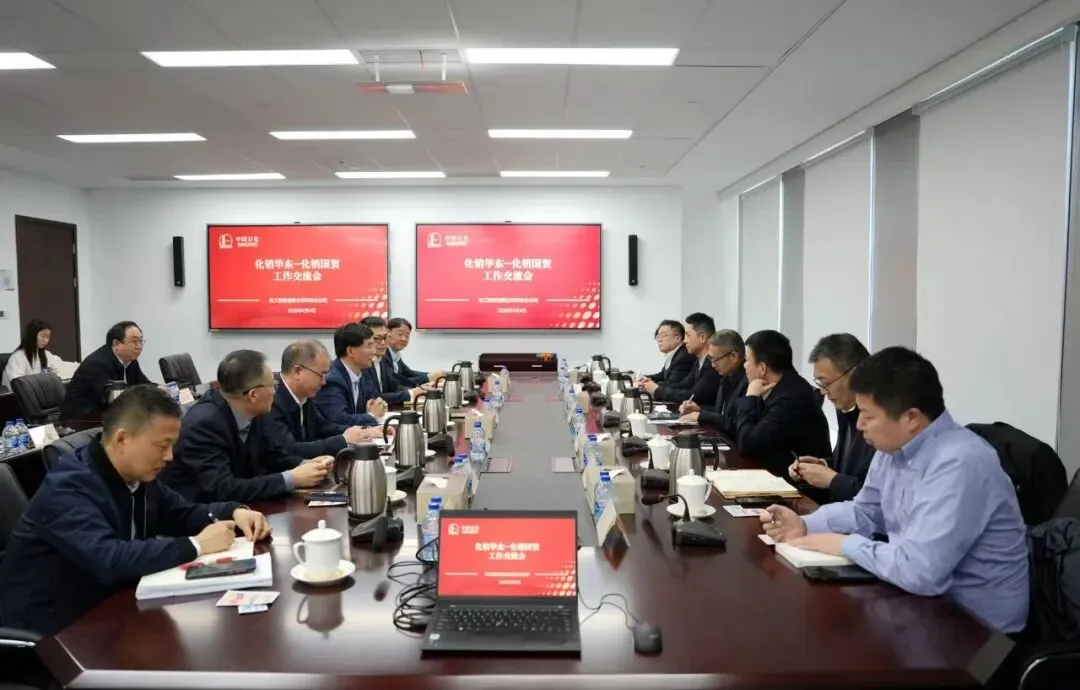
SCCI Visits East-China Company,SCCHC for Business Exchanges
On February 4th, Tan Dashui, Director of SCCI, and Lin Wenxuan, General Manager, visited East-China Company, SCCHC for business cooperation. Kong Quan, Representative of East-China Company, SCCHC, and Zhang Yuyan, General Manager, attended the meeting, along with heads of key departments from both sides participating in the exchanges.
Both parties systematically reviewed the key indicators for international operations in 2025 and the completion of the "One Enterprise, One System" initiative. They also engaged in in-depth discussions on issues and suggestions of mutual concern.
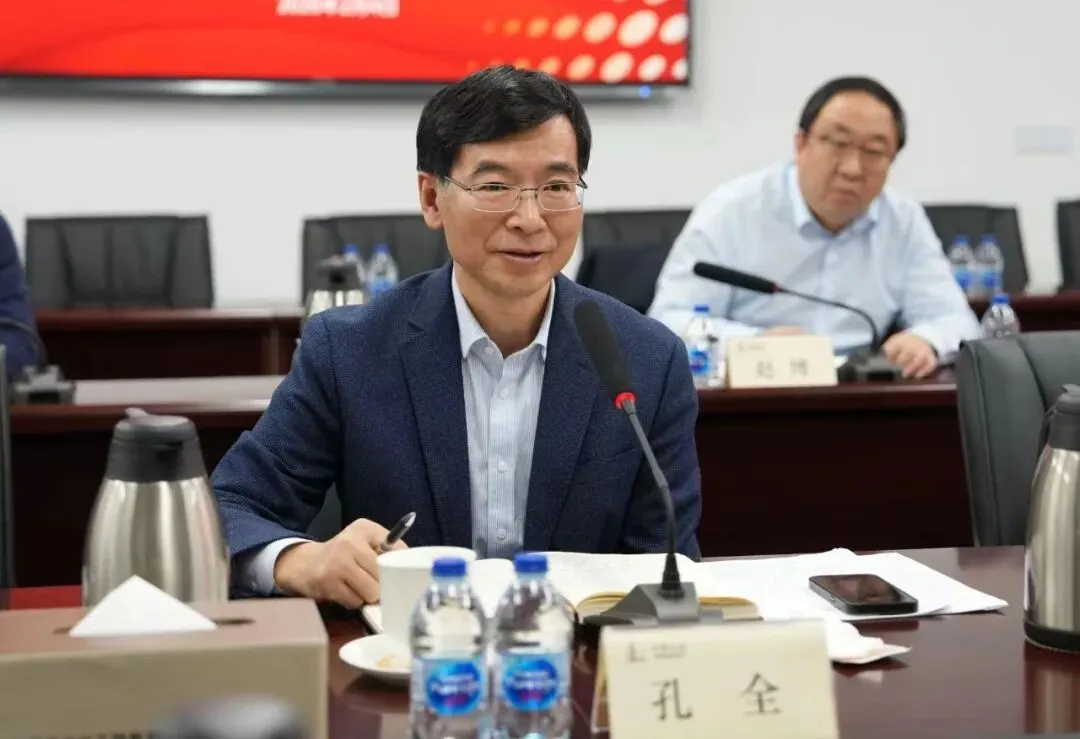
Kong Quan expressed gratitude for the support provided by SCCI over the past year. He noted that in 2026, it is hoped that both sides will proactively plan and strengthen collaboration in international operations, jointly enhance internal and external information communication and market analysis, and work with enterprises to establish and improve a tripartite collaborative mechanism featuring "risk sharing and profit sharing." He also emphasized the need to strengthen process control and the application of financial tools to ensure the smooth achievement of the annual international business goals.
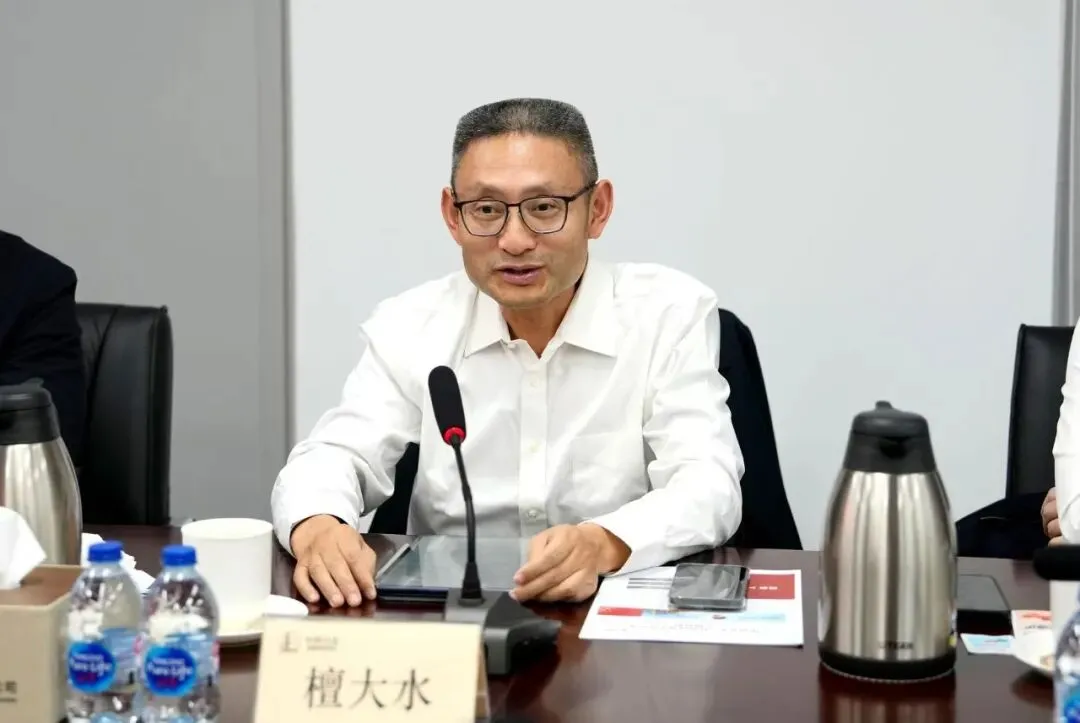
Tan Dashui expressed his gratitude to East-China Company, SCCHC for its continuous strong support and selfless assistance to SCCI. He stated that against the increasingly severe and complex international economic and trade backdrop, SCCI is willing to share risks and opportunities with East-China Company, give full play to the advantages of close internal and external collaboration, and strive together to achieve the 2026 internationalization excellence goals for both parties. Going forward, SCCI will further intensify its global market development efforts, especially in overseas emerging markets, and push the development of overseas markets to a new level through strict management which categorized by product-line. It will also strengthen close business collaboration through in-depth information sharing, maintain close communication and tackle tough challenges with East-China Company in aspects such as raising the proportion of JIT direct export, coordinating the resources of export from Sinopec enterprises, ensuring the stability of enterprise production and meeting the packaging needs of overseas customers, and make joint efforts for the international development of Sinopec's chemical products. (Author: Jia Anqi. Translator: Jia Anqi, Song Jiaying.)
2
Focusing on Core Responsibilities
and Main Business
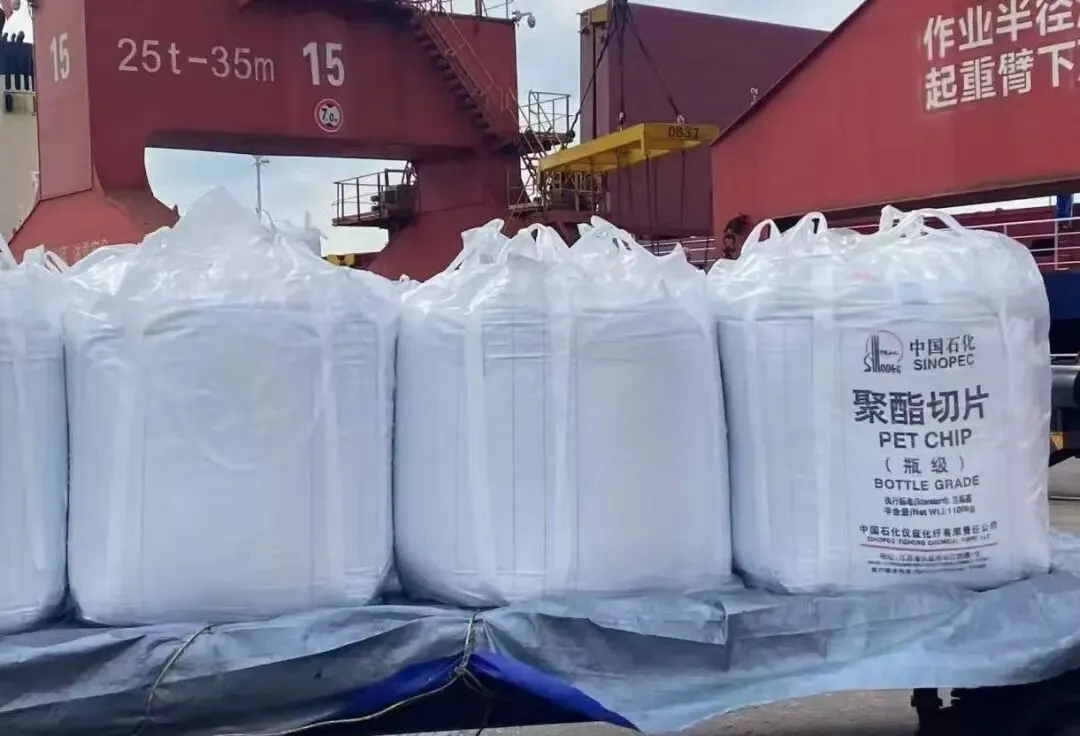
SCCI reached new record high in export volume of Sinopec Yizheng’s PET in 2025
In 2025, Sinopec Chemical Commercial International Co. Ltd. (SCCI), with the effortless support from Sinopec Chemical Commercial Holding Co. Ltd. East China Branch (SCCE) and Sinopec Yizheng Chemical Fibre Co. Ltd.(Sinopec Yizheng), achieved an export volume of 129,000 tons, not only reaching a new record in quantity, but also making a new record in volume while also making significant strides in quality. This was achieved by focusing on mid-to-high-end overseas markets and niche segments, as well as leveraging innovative marketing tools.
Breaking into High-End Markets: Film-Grade Chip Recognized as Benchmark in Japan and South Korea.
In 2025, SCCI, jointly with SCCE and Sinopec Yizheng, targeting the high-end film market demands in Japan, South Korea, and Southeast Asia. Through integrated efforts in production, sales, research, and application, a high-quality film-grade polyester chip was developed and successfully introduced to leading enterprises in South Korea and Japan, becoming the preferred choice in these premium markets. Additionally, attentive services helped solidify partnerships with strategic clients in Thailand, Indonesia, and Vietnam, significantly enhancing Sinopec’s competitiveness and market share in overseas mid-to-high-end polyester markets.
Innovative Marketing Models: Capturing Opportunities in Regional PET Bottle Chip Markets.
In 2025, the polyester team actively utilized financial instruments and flexible trading models to achieve multiple breakthroughs in PET bottle chip sales. SCCI completed its first futures hedging operation in chemical product sales and expanded its market reach in Africa, the Middle East, and Southeast Asia through robust position management, bulk vessel shipments, and forward exchange rate hedging. Notably, exports to Tunisia accounted for 20% of China’s total PET bottle chip exports to that market, significantly boosting SCCI’s international competitiveness and influence.
Deepening Niche Segments: Expanding Polyester Staple Fiber Business.
On one hand, SCCI optimized product specifications to meet the high-end demand for nonwoven fabrics in Europe, successfully entering mid-to-high-end applications. On the other hand, leveraging tariff advantages under the RCEP agreement, SCCI strengthened its presence in traditional overseas textile markets by improving product quality, pricing, and on-site services, thereby enhancing customer satisfaction. Furthermore, SCCI achieved its first export of recycled polyester staple fiber to Southeast Asia, leading the trend in green trade. (Author: Fan Rong, Yang Yan, Lou Jianbo, Liu Hui, Ni Zhongze. Translator: Yang Yan, Ouyang Weiqi.)
3
Focusing on Core Responsibilities
and Main Business
SCCI Accelerates Development of End-Users for Resin Products in Southeast Asia
In January, SCCI achieved significant progress in the Southeast Asian market. The resin team successfully facilitated the approval of linear low-density polyethylene (LLDPE) samples from Guangzhou Petrochemical, which were dispatched in late 2025, after the products passed rigorous performance tests in the client’s laboratory due to their outstanding stability and reliability. Seizing this opportunity, the team expedited the client qualification process and secured the first trial purchase order, marking a new breakthrough in expanding end-user engagement in the region.
In the new year, SCCI continues to prioritize the outreach and development of end-factory users. The successful addition of a Southeast Asian end-user for high-value-added products represents another critical milestone in SCCI’s penetration of the Southeast Asian polyethylene market. This achievement exemplifies SCCI’s commitment to implementing the Group’s market expansion and open cooperation strategies, laying a solid foundation for deeper collaboration with end-users and further growth in market share in the future. (Author: Su Shi, Yang Dannuo, Ouyang Weiqi. Translator: Su Shi, Ouyang Weiqi.)
4
In-Depth Ploughing in International Market

SCCI’s first export of automotive-grade urea
Recently, SCCI has intensified its "market sweep" efforts in emerging markets, seeking suitable export quotas actively and exporting 500 tons of automotive-grade urea successfully to the South American market for the first time. This marks another key milestone in the development of new products and new markets for 2026.
Since 2025, SCCI has transitioned its business focus from ammonium sulfate to a broader fertilizer portfolio, working closely with overseas operation centers to expand market outreach and increase total fertilizer export volumes. Recently, upon learning that one end user in South America had demand for automotive-grade urea, the team worked hard to overcome the difficulties caused by the significant reduction in domestic urea export quotas. They contacted multiple domestic suppliers and secured 500 tons of exportable quota eventually. After multiple communications with the customer regarding export policies, pricing, and delivery schedules, they finally closed a 500-ton automotive-grade urea export order. This marks SCCI's first foray into urea exports for automotive applications, providing direction for future volume expansion and efficiency enhancement. (Author: Zhang Guanghui. Translator: Zhang Guanghui, Qiu Jinghan.)
中石化化销国际贸易有限公司
SINOPEC CHEMICAL COMMERCIAL INTERNATIONAL CO., LTD.
视 频:龙嘉铭
美 编:黄婉君
审 校:贾安琪
主 编:杨骏辉