


新年快乐!祝福大家2026年心想事成,前程似锦!

2026年农业科技趋势凸显,农业行业正面临“少投入、多产出”的巨大压力——既要应对更高的产量预期、气候波动,还要应对利润空间收窄的挑战。这使得农业领域从“选择性创新”向“战略性技术应用”的转变成为必然,仅2025年,农业科技领域的投资就超过150亿美元,彰显了市场对人工智能、物联网集成、机器人技术及精准农业平台等数字农耕解决方案的强烈信心。
注:第一部分为中文文章,第二部分为英文文章,第三部分为分段译注文章
中文文章:
2026 年六大农业科技前沿趋势:从人工智能智能体到碳汇农业
Top 6 agtech trends 2026: from AI agents to carbon farming
来源:Qaltivate
在全球粮食体系的数字化转型、自动化升级与可持续发展诉求推动下,农业行业格局正发生深刻变革。以下六大农业科技趋势将主导 2026 年行业发展,深刻影响未来农场的运营模式、投资方向与增长路径,覆盖人工智能应用到碳汇价值变现全领域。
1. 人工智能驱动 + 数据核心型农场管理
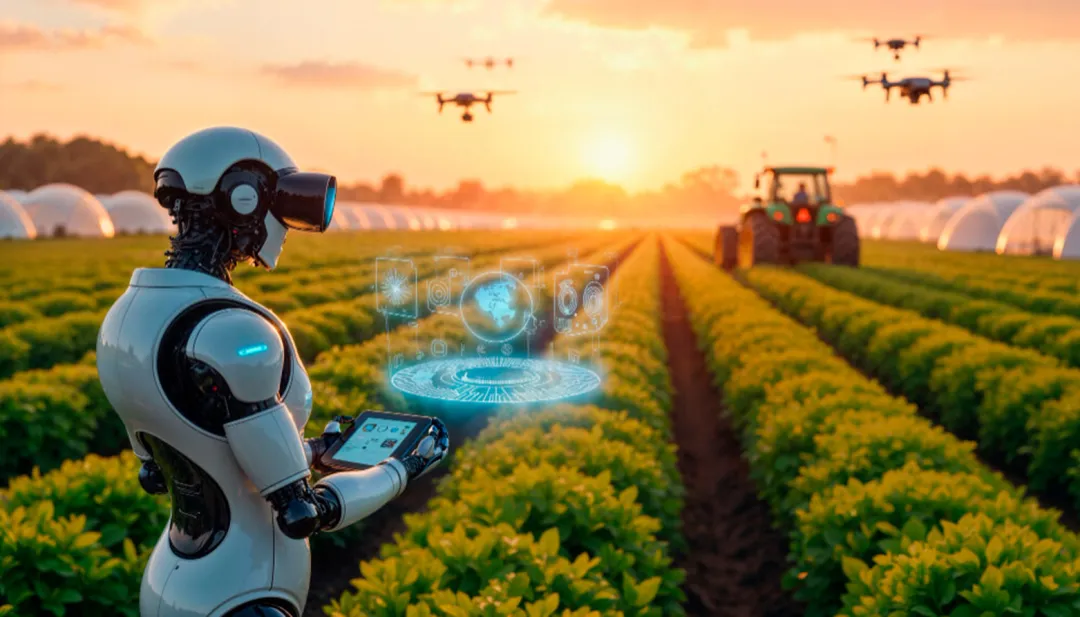
农业领域的人工智能分析正突破单纯的产量图表与报告范畴,升级为全流程决策支持系统。各类农场与农业科技平台正加速应用人工智能农场管理工具,这类工具可自动调取田间数据、对比不同季候与投入品效果、识别生长规律,并生成可落地的农事建议。农户无需手动翻阅数据面板或 Excel 表格,只需向系统提问,就能获得依托多年数据关联分析的即时反馈。2026 年,人工智能将成为农业数字平台的核心底层能力,行业趋势也将从单纯的数据可视化,转向可实时支撑生产运营与财务决策的自动化智能决策模式。
GPS 农机、传感器、气象模型及投入品记录等源源不断产生海量数据,其规模已远超农艺师人工处理极限。2026 年,农业人工智能将成为关键平衡者,将海量原始数据转化为精准决策,在提升产能的同时,大幅减少数据分析所需的人力与时间成本。
2. 自主作业设备与农业机器人技术

劳动力短缺仍是全球农业发展的核心瓶颈,这让自主农耕设备与机器人技术成为 2026 年最具变革性的农业科技趋势。农场常年面临季节性用工缺口、薪资上涨、从业者老龄化等难题,倒逼种植户主动采用技术替代重复性强、劳动强度大的农活。自动驾驶拖拉机、除草机器人、自主喷雾机、收获机器人可在极少人工监管下全天候作业,即便田间环境恶劣也能稳定运行。以往农场需根据劳动力供给调整作业节奏,如今自动化技术让农事作业真正实现按需开展。
2026 年,农业机器人将从创新试点阶段全面走向跨作物商业化应用,尤其适配水果、蔬菜、特色谷物等高价值品类。自动化不仅是简单替代人力,更在重新定义田间产能,助力农场实现更智能、高效、安全的运营。
3. 气候抗逆技术与可持续发展科技
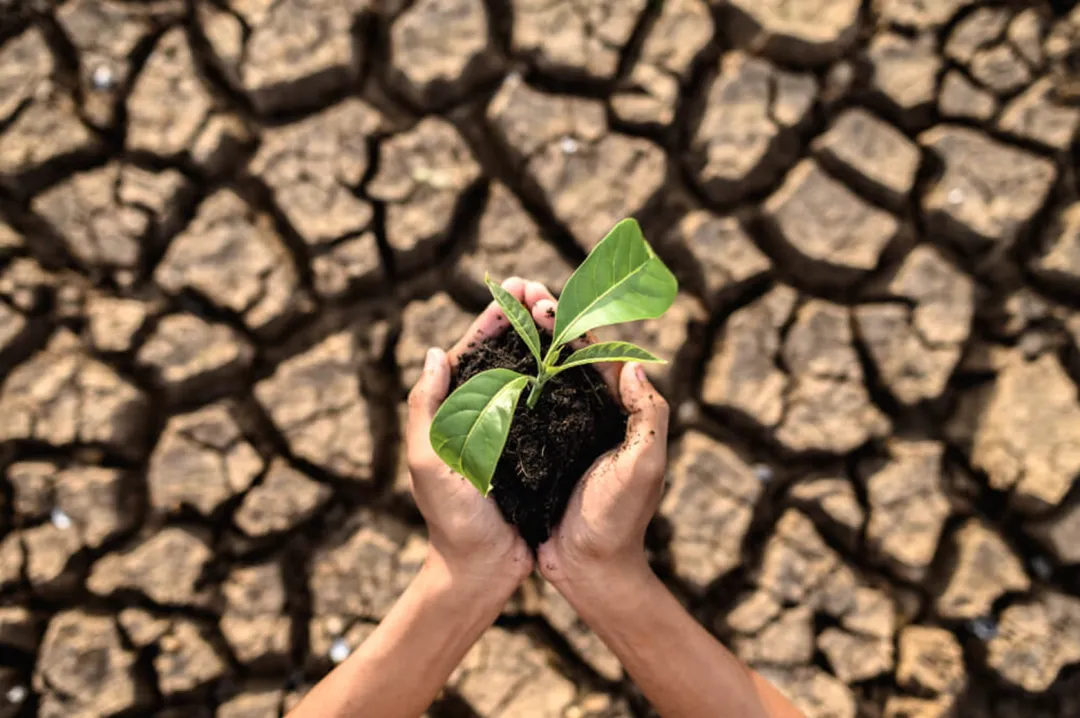
气候波动日益成为全球粮食生产的最大威胁之一,推动气候智能型农业解决方案加速落地。高温胁迫、降雨紊乱、极端天气频发、病虫害爆发规律异变,迫使农场彻底革新传统管理模式。在此背景下,2026 年农业科技行业的重心从 “不惜代价追求高产” 转向 “构建抗逆能力、提升适应性、守护长期土壤健康”,核心目标是即便面临气候不确定性,也能实现可持续、盈利性种植,而非仅在风调雨顺的年份稳产增收。
农场不再被动应对灾害,而是主动布局可预测气候影响、自动响应、提前防护作物的技术。先进数据模型整合天气预报、土壤湿度变化、卫星影像,提前预判干旱或病害风险,避免灾情扩散。灌溉时机、杀菌剂施用周期、品种筛选等关键决策,也从依赖经验转向数据驱动。
2026 年,气候应对技术不再是农场的附加配置,而是核心基础设施。当下就布局抗逆类工具的农场,将更易维持利润空间、获取可持续发展补贴,相比单纯依赖传统模式的农场,能更从容抵御气候冲击。
4. 传感器网络、物联网与农场实时分析
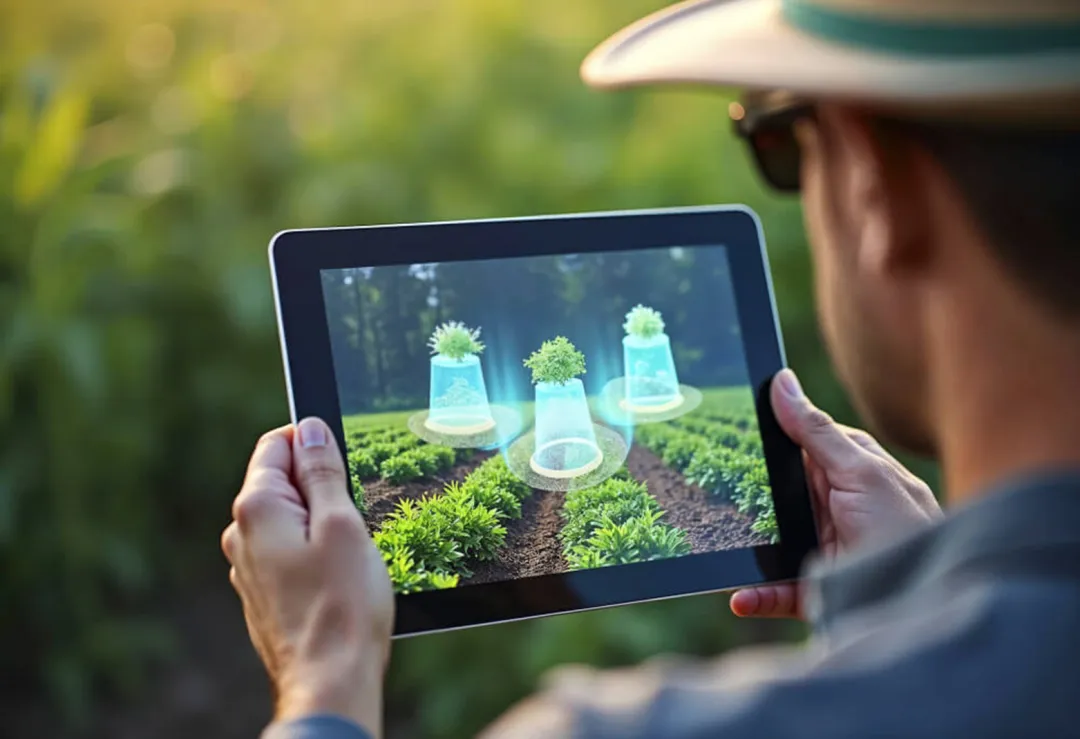
互联农业时代全面提速,传感器网络与物联网技术已成为现代农场运营的基石。农户无需等待季末报告或田间人工巡查,就能实时掌握土壤湿度、作物胁迫状态、农机运行参数、牲畜活动轨迹,甚至田间微气候的细微变化。随着这类系统规模化落地,农场管理从被动补救转向持续监测,实时接收预警、追踪异常状况,即时调整投入品用量与施用方案。
这种全域互联是 2026 年农业科技市场最具影响力的趋势之一,背后得益于传感器成本下降、网络连接稳定性提升,以及可全天候流式传输、处理数据的云平台普及。每一块田地、每一座禽舍、每一台设备都成为数据采集终端,让整个农场变成可精准量化、智能管控的运营网络。
物联网传感器将实时数据同步至农场管理平台,支撑灌溉智能调度、温室气候精准调控、畜禽健康自动预警等自动化决策。农户无需单纯依赖田间巡检,通过管理面板或手机应用,就能提前发现可能导致减产的作物胁迫区域,防患于未然。
2026 年,随着物联网普及,精准农业将成为行业标配而非高端选项。布局传感器网络的农场,能实现更精细化管控、更稳定的产出,还能积累海量数据为未来人工智能自动化赋能,这也将成为全行业的核心竞争门槛。
5. 数字交易平台与数据生态系统
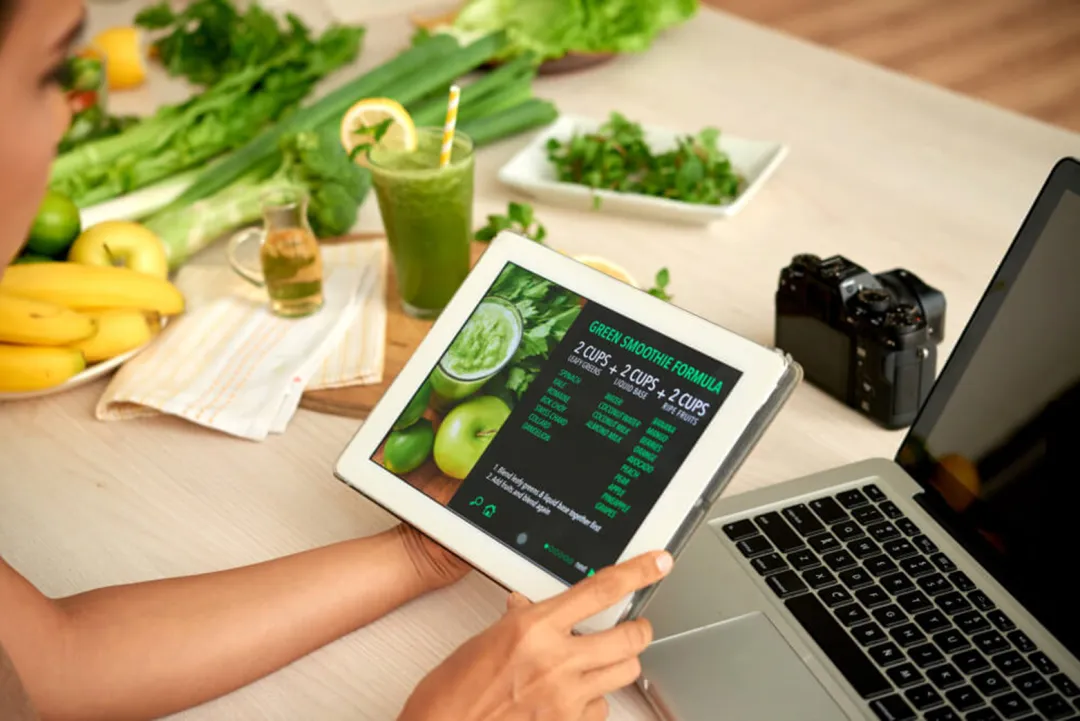
农业的未来必然是互联互通的,数字交易平台正彻底重塑投入品采购、粮食销售、农技咨询的服务模式。农户无需再通过分散渠道对接上下游,通过统一数字化平台,就能一站式完成供应商比价、粮食价格查询、农艺师预约、运输调度,甚至碳信用交易。这一变革是 2026 年农业科技领域最强劲的投资风口,资本正持续涌入这类平台——它们能为整个农业价值链解锁效率、提升透明度,打造数据驱动的商业闭环。
数字平台大幅降低了农户对接多方供应商、逐一议价、靠表格协调采购的繁琐流程。依托数字生态,农户可凭借实时行情、产品实效数据、物流可视化信息,更快、更精准地做出决策。对投入品生产商与粮食收购商而言,这类平台能触达更广阔的客户群体,还能获取作物长势、区域需求等结构化数据,助力精准布局。
2026 年,数字交易平台将从单纯的交易载体,升级为端到端的生态枢纽,打通供应链全环节的数据、服务与各类参与者。最终构建更高效的农业经济体系,实现价值流转降本增效,让农场享受到与现代电商同等便捷的数字化服务。
6. 碳汇农业与可持续发展技术
2026 年,碳汇农业将从可持续发展配套项目,转变为农场的盈利增收渠道。农场通过土壤碳储量监测、数字化监测报告核查(MRV)平台,搭配再生农业模式,可获取碳信用额度,开辟额外收入来源。
在全球脱碳目标与企业减排承诺的推动下,碳汇导向型农业正从小众可持续举措,快速成为农户的创收新机遇。越来越多国家与企业向气候中和目标迈进,农业土壤作为天然碳汇的经济价值愈发凸显。2026 年,那些能精准测量、核查、验证碳固存量的农场,将在行业中占据绝对优势。
英文文章:(1032 Words)
Top 6 agtech trends 2026: from AI agents to carbon farming
From: Qaltivate
The agricultural landscape is fueled by digital transformation, automation, and sustainability expectations across global food systems. Below are the Top 6 AgTech trends 2026 that will shape how farms operate, invest, and grow in the coming years — from AI intelligence to carbon monetization.
1. AI-driven & data-centric farm management
AI in agriculture analytics is moving beyond yield charts and reports to full decision-support systems. Farms and AgTech platforms are increasingly adopting AI-powered farm management tools that retrieve farm data, compare seasons and inputs, detect patterns, and generate actionable recommendations. Instead of manually scanning dashboards or Excel files, farmers can ask the system a question — and get an instant answer backed by multi-year data correlations. As AI becomes a core layer in digital platforms, agriculture trends 2026 point to a shift from data visibility to automated intelligence that supports operational and financial decisions in real time.
With data streams coming from GPS machinery, sensors, weather models, and input records, farms generate more information than any agronomist can manually process. AI in agriculture 2026 becomes the equalizer — turning raw data into decisions, improving productivity while reducing labor and time spent on analytics.
2. Autonomous equipment & robotics
Labor remains a global bottleneck, making autonomous farming equipment and robotics one of the most transformative AgTech trends in 2026. Farms continue to struggle with seasonal labor shortages, rising wages, and workforce aging, pushing growers to adopt technologies that automate repetitive and labor-heavy tasks. Self-driving tractors, robotic weeders, autonomous sprayers, and harvest robots can operate with minimal supervision — day, night, and even in challenging field conditions. Instead of farms adjusting work pace to labor availability, automation enables operations to run on demand.
In 2026, robotics will move from “innovation pilots” to commercial adoption across crop types, particularly high-value crops like fruits, vegetables, and specialty grains. Automation doesn’t just replace labor — it redefines field productivity, enabling farms to operate smarter, faster, and more safely.
3. Climate resilience & sustainability technologies
Climate volatility is becoming one of the biggest threats to global food production, accelerating the adoption of climate-smart agriculture solutions. Heat stress, unpredictable rainfall, extreme weather events, and shifting pest pressure are forcing farms to rethink traditional management practices. In response, AgTech industry trends in 2026 are shifting focus from maximizing yield at all costs to building resilience, adaptability, and long-term soil health. The priority becomes growing sustainably and profitably despite climate uncertainty — not only in ideal seasons.
Instead of reactive management, farms are investing in technologies that predict climate impact, automate response, and protect crops proactively. Advanced data models combine weather forecasts, soil moisture trends, and satellite imagery to anticipate drought or disease risk before it spreads. Decisions like irrigation timing, fungicide scheduling, or hybrid selection become data-driven rather than intuitive.
In 2026, climate technologies aren’t just add-ons — they become core infrastructure. The farms that adopt resilience-focused tools now will be positioned to maintain profit margins, qualify for sustainability incentives, and withstand climate shocks more effectively than those relying solely on traditional methods.
4. Sensor networks, IoT & real-time farm analytics
The era of connected agriculture is accelerating, and Sensor networks and IoT technology are becoming foundational to modern farm operations. Instead of waiting for end-of-season reports or visual inspection in the field, farmers gain real-time visibility into soil moisture, plant stress, machine performance, livestock movement, and even micro-climate variations. As these systems scale, farms move from reactive management to continuous monitoring — receiving alerts, tracking anomalies, and adjusting inputs instantly.
This connectivity is one of the most powerful AgTech market trends 2026, driven by affordability of sensors, improved connectivity, and cloud platforms capable of streaming and processing data 24/7. Every field, barn, and piece of equipment becomes a data source — turning the farm into a network of measurable operations.
IoT sensors feed live information into farm management platforms, enabling automated decisions such as irrigation scheduling, greenhouse climate control, or herd health alerts. Instead of field scouting alone, farmers can check dashboards or mobile apps to see where stress is forming before yield loss occurs.
As IoT adoption scales, precision agriculture becomes the default, not a premium option. Farms that leverage sensor networks will operate with greater control, predictable outcomes, and a data-rich foundation for future AI automation — and by 2026, this will be a competitive standard across the industry.
5. Digital marketplaces & data ecosystems
The future of agriculture is interconnected, and digital marketplaces are rapidly transforming how inputs are bought, grain is sold, and advisory services are delivered. Instead of operating through fragmented channels, farmers now gain access to unified platforms where they can compare suppliers, check grain prices, book agronomists, arrange transport, or even trade carbon credits — all in one interface. This evolution marks one of the strongest AgTech investment trends 2026, where capital is flowing into platforms that unlock efficiency, transparency, and data-driven commerce for the entire agricultural value chain.
Marketplaces reduce the complexity that comes with calling multiple suppliers, negotiating pricing separately, or relying on spreadsheets for buyer coordination. With digital ecosystems, farmers can make decisions faster and with more confidence — backed by real-time pricing, product performance insights, and logistics visibility. For input manufacturers and grain buyers, marketplaces open access to wider customer networks and structured data on crop performance and regional demand.
In 2026, digital marketplaces evolve from transactional platforms to end-to-end ecosystem hubs, connecting data, services, and stakeholders across the supply chain. The result is a more efficient agricultural economy — one where value moves with less friction, and where farms operate with the same digital convenience seen in modern e-commerce.
6. Carbon farming & sustainability tech
In 2026, carbon farming becomes a profitable channel rather than a sustainability side project. Farms leveraging soil carbon measurement, digital MRV platforms, and regenerative practices will access carbon credits for additional income.
Carbon-focused agriculture is shifting rapidly from a niche sustainability initiative to a revenue-generating opportunity for farmers, driven by global decarbonization goals and corporate emissions commitments. As more governments and enterprises push toward climate neutrality, agricultural soils are gaining economic value as a natural carbon sink — and farms that can measure, verify, and validate carbon sequestration will be well-positioned in 2026.
分段译注文章:
Top 6 agtech trends 2026: from AI agents to carbon farming
From: Qaltivate
The agricultural landscape is fueled by digital transformation, automation, and sustainability expectations across global food systems. Below are the Top 6 AgTech trends 2026 that will shape how farms operate, invest, and grow in the coming years — from AI intelligence to carbon monetization.
在全球粮食体系的数字化转型、自动化升级与可持续发展诉求推动下,农业行业格局正发生深刻变革。以下六大农业科技趋势将主导 2026 年行业发展,深刻影响未来农场的运营模式、投资方向与增长路径,覆盖人工智能应用到碳汇价值变现全领域。
※ monetization ※
Monetization 英/ˌmʌnɪtaɪˈzeɪʃn/ 美/ˌmɑːnɪtəˈzeɪʃn/
n. 变现;货币化
【例句】
Carbon-credit monetization through a digital MRV platform adds a new wage stream for farmers.
通过数字MRV平台实现碳信用变现,为农民新增一条工资流。
The startup’s niche dashboard shows live monetization of soil carbon sinks.
这家初创的小众仪表板实时显示土壤碳汇的变现情况。
1. AI-driven & data-centric farm management
1. 人工智能驱动 + 数据核心型农场管理
AI in agriculture analytics is moving beyond yield charts and reports to full decision-support systems. Farms and AgTech platforms are increasingly adopting AI-powered farm management tools that retrieve farm data, compare seasons and inputs, detect patterns, and generate actionable recommendations. Instead of manually scanning dashboards or Excel files, farmers can ask the system a question — and get an instant answer backed by multi-year data correlations. As AI becomes a core layer in digital platforms, agriculture trends 2026 point to a shift from data visibility to automated intelligence that supports operational and financial decisions in real time.
农业领域的人工智能分析正突破单纯的产量图表与报告范畴,升级为全流程决策支持系统。各类农场与农业科技平台正加速应用人工智能农场管理工具,这类工具可自动调取田间数据、对比不同季候与投入品效果、识别生长规律,并生成可落地的农事建议。农户无需手动翻阅数据面板或 Excel 表格,只需向系统提问,就能获得依托多年数据关联分析的即时反馈。2026 年,人工智能将成为农业数字平台的核心底层能力,行业趋势也将从单纯的数据可视化,转向可实时支撑生产运营与财务决策的自动化智能决策模式。
※ retrieve ※
Retrieve 英/rɪˈtriːv/ 美/rɪˈtriːv/
v. 检索;取回;恢复
【例句】
Scouts use tablets to retrieve scouting data and upload it to the dashboard.
侦查员用平板电脑检索侦查数据并上传至仪表板。
The system can retrieve historical fungicide records from a cloud spreadsheet.
系统可从云端电子表格检索历史杀菌剂记录。
※ dashboard ※
Dashboard 英/ˈdæʃbɔːd/ 美/ˈdæʃbɔːrd/
n. 仪表板;数据面板
【例句】
A color-coded dashboard visualizes the volatility of wheat prices in real time.
彩色仪表板实时可视化小麦价格波动性。
Farm managers check the dashboard daily to scout for pest spread.
农场经理每日查看仪表板以侦查害虫扩散。
With data streams coming from GPS machinery, sensors, weather models, and input records, farms generate more information than any agronomist can manually process. AI in agriculture 2026 becomes the equalizer — turning raw data into decisions, improving productivity while reducing labor and time spent on analytics.
GPS 农机、传感器、气象模型及投入品记录等源源不断产生海量数据,其规模已远超农艺师人工处理极限。2026 年,农业人工智能将成为关键平衡者,将海量原始数据转化为精准决策,在提升产能的同时,大幅减少数据分析所需的人力与时间成本。
※ equalizer ※
Equalizer 英/ˈiːkwəlaɪzə(r)/ 美/ˈiːkwəlaɪzər/
n. 均衡器;平衡装置;拉平差距的事物
【例句】
Affordable sensors act as an equalizer between small and large farms.
可负担传感器成为大小农场之间的均衡器。
The digital MRV platform is seen as an equalizer for carbon-market access.
数字MRV平台被视为进入碳市场的均衡器。
2. Autonomous equipment & robotics
2. 自主作业设备与农业机器人技术
Labor remains a global bottleneck, making autonomous farming equipment and robotics one of the most transformative AgTech trends in 2026. Farms continue to struggle with seasonal labor shortages, rising wages, and workforce aging, pushing growers to adopt technologies that automate repetitive and labor-heavy tasks. Self-driving tractors, robotic weeders, autonomous sprayers, and harvest robots can operate with minimal supervision — day, night, and even in challenging field conditions. Instead of farms adjusting work pace to labor availability, automation enables operations to run on demand.
劳动力短缺仍是全球农业发展的核心瓶颈,这让自主农耕设备与机器人技术成为 2026 年最具变革性的农业科技趋势。农场常年面临季节性用工缺口、薪资上涨、从业者老龄化等难题,倒逼种植户主动采用技术替代重复性强、劳动强度大的农活。自动驾驶拖拉机、除草机器人、自主喷雾机、收获机器人可在极少人工监管下全天候作业,即便田间环境恶劣也能稳定运行。以往农场需根据劳动力供给调整作业节奏,如今自动化技术让农事作业真正实现按需开展。
※ wage ※
Wage 英/weɪdʒ/ 美/weɪdʒ/
n. 工资;报酬
v. 进行;发动
【例句】
Additional wage from carbon monetization improves field-scout retention.
碳变现带来的额外工资提高了田间侦查员的留任率。
The cooperative wages a campaign to reduce fungicide use by 30 %.
合作社发动一场减少30%杀菌剂使用的运动。
In 2026, robotics will move from “innovation pilots” to commercial adoption across crop types, particularly high-value crops like fruits, vegetables, and specialty grains. Automation doesn’t just replace labor — it redefines field productivity, enabling farms to operate smarter, faster, and more safely.
2026 年,农业机器人将从创新试点阶段全面走向跨作物商业化应用,尤其适配水果、蔬菜、特色谷物等高价值品类。自动化不仅是简单替代人力,更在重新定义田间产能,助力农场实现更智能、高效、安全的运营。
3. Climate resilience & sustainability technologies
3. 气候抗逆技术与可持续发展科技
Climate volatility is becoming one of the biggest threats to global food production, accelerating the adoption of climate-smart agriculture solutions. Heat stress, unpredictable rainfall, extreme weather events, and shifting pest pressure are forcing farms to rethink traditional management practices. In response, AgTech industry trends in 2026 are shifting focus from maximizing yield at all costs to building resilience, adaptability, and long-term soil health. The priority becomes growing sustainably and profitably despite climate uncertainty — not only in ideal seasons.
气候波动日益成为全球粮食生产的最大威胁之一,推动气候智能型农业解决方案加速落地。高温胁迫、降雨紊乱、极端天气频发、病虫害爆发规律异变,迫使农场彻底革新传统管理模式。在此背景下,2026 年农业科技行业的重心从 “不惜代价追求高产” 转向 “构建抗逆能力、提升适应性、守护长期土壤健康”,核心目标是即便面临气候不确定性,也能实现可持续、盈利性种植,而非仅在风调雨顺的年份稳产增收。
※ volatility ※
Volatility 英/ˌvɒləˈtɪləti/ 美/ˌvɑːləˈtɪləti/
n. 波动性;不稳定
【例句】
Price volatility data on the dashboard help growers pick optimal sale timing.
仪表板上的价格波动性数据帮助种植者选择最佳出售时机。
Lower soil carbon volatility is a testament to effective carbon-sink management.
土壤碳波动性降低是碳汇管理有效的明证。
Instead of reactive management, farms are investing in technologies that predict climate impact, automate response, and protect crops proactively. Advanced data models combine weather forecasts, soil moisture trends, and satellite imagery to anticipate drought or disease risk before it spreads. Decisions like irrigation timing, fungicide scheduling, or hybrid selection become data-driven rather than intuitive.
农场不再被动应对灾害,而是主动布局可预测气候影响、自动响应、提前防护作物的技术。先进数据模型整合天气预报、土壤湿度变化、卫星影像,提前预判干旱或病害风险,避免灾情扩散。灌溉时机、杀菌剂施用周期、品种筛选等关键决策,也从依赖经验转向数据驱动。
※ fungicide ※
Fungicide 英/ˈfʌŋɡɪsaɪd/ 美/ˈfʌŋɡɪsaɪd/
n. 杀菌剂
【例句】
Scouts record fungicide applications directly into a mobile spreadsheet.
侦查员将杀菌剂施用记录直接输入移动电子表格。
Reducing fungicide saves wage costs and strengthens the carbon-sink claim.
减少杀菌剂节省工资成本并增强碳汇主张。
In 2026, climate technologies aren’t just add-ons — they become core infrastructure. The farms that adopt resilience-focused tools now will be positioned to maintain profit margins, qualify for sustainability incentives, and withstand climate shocks more effectively than those relying solely on traditional methods.
2026 年,气候应对技术不再是农场的附加配置,而是核心基础设施。当下就布局抗逆类工具的农场,将更易维持利润空间、获取可持续发展补贴,相比单纯依赖传统模式的农场,能更从容抵御气候冲击。
※ incentive ※
Incentive 英/ɪnˈsentɪv/ 美/ɪnˈsentɪv/
n. 激励;刺激
adj. 激励的
【例句】
Government cash incentive speeds up the adoption of digital MRV platforms.
政府现金激励加速数字MRV平台的采用。
Higher monetization rates provide an incentive for farmers to scout pests weekly.
更高的变现率为农民每周侦查害虫提供激励。
4. Sensor networks, IoT & real-time farm analytics
4. 传感器网络、物联网与农场实时分析
The era of connected agriculture is accelerating, and Sensor networks and IoT technology are becoming foundational to modern farm operations. Instead of waiting for end-of-season reports or visual inspection in the field, farmers gain real-time visibility into soil moisture, plant stress, machine performance, livestock movement, and even micro-climate variations. As these systems scale, farms move from reactive management to continuous monitoring — receiving alerts, tracking anomalies, and adjusting inputs instantly.
互联农业时代全面提速,传感器网络与物联网技术已成为现代农场运营的基石。农户无需等待季末报告或田间人工巡查,就能实时掌握土壤湿度、作物胁迫状态、农机运行参数、牲畜活动轨迹,甚至田间微气候的细微变化。随着这类系统规模化落地,农场管理从被动补救转向持续监测,实时接收预警、追踪异常状况,即时调整投入品用量与施用方案。
※ variation ※
Variation 英/ˌveəriˈeɪʃn/ 美/ˌveriˈeɪʃn/
n. 变异;变化
【例句】
Soil carbon variation across plots is displayed on the dashboard heat-map.
地块间土壤碳变化展示在仪表板热力图上。
Genetic variation data help breeders select the next niche variety.
遗传变异数据帮助育种者选择下一个小众品种。
This connectivity is one of the most powerful AgTech market trends 2026, driven by affordability of sensors, improved connectivity, and cloud platforms capable of streaming and processing data 24/7. Every field, barn, and piece of equipment becomes a data source — turning the farm into a network of measurable operations.
这种全域互联是 2026 年农业科技市场最具影响力的趋势之一,背后得益于传感器成本下降、网络连接稳定性提升,以及可全天候流式传输、处理数据的云平台普及。每一块田地、每一座禽舍、每一台设备都成为数据采集终端,让整个农场变成可精准量化、智能管控的运营网络。
※ affordability ※
Affordability 英/əˌfɔːdəˈbɪləti/ 美/əˌfɔːrdəˈbɪləti/
n. 可负担性;经济适用
【例句】
Affordability of sensors removes the friction of scaling digital MRV.
传感器的可负担性消除扩展数字MRV的摩擦。
Carbon-credit affordability for smallholders hinges on low-cost monetization pathways.
小农碳信用可负担性取决于低成本变现路径。
IoT sensors feed live information into farm management platforms, enabling automated decisions such as irrigation scheduling, greenhouse climate control, or herd health alerts. Instead of field scouting alone, farmers can check dashboards or mobile apps to see where stress is forming before yield loss occurs.
物联网传感器将实时数据同步至农场管理平台,支撑灌溉智能调度、温室气候精准调控、畜禽健康自动预警等自动化决策。农户无需单纯依赖田间巡检,通过管理面板或手机应用,就能提前发现可能导致减产的作物胁迫区域,防患于未然。
※ scout ※
Scout 英/skaʊt/ 美/skaʊt/
v./n. 侦查;侦察;搜索
【例句】
Drones scout fields faster than human scouts and feed data to the dashboard.
无人机侦查田地比人工更快并将数据输入仪表板。
Scouts use a mobile app to retrieve GPS-tagged photos of pest hotspots.
侦查员用移动应用检索带GPS的害虫热点照片。
As IoT adoption scales, precision agriculture becomes the default, not a premium option. Farms that leverage sensor networks will operate with greater control, predictable outcomes, and a data-rich foundation for future AI automation — and by 2026, this will be a competitive standard across the industry.
2026 年,随着物联网普及,精准农业将成为行业标配而非高端选项。布局传感器网络的农场,能实现更精细化管控、更稳定的产出,还能积累海量数据为未来人工智能自动化赋能,这也将成为全行业的核心竞争门槛。
5. Digital marketplaces & data ecosystems
5. 数字交易平台与数据生态系统
The future of agriculture is interconnected, and digital marketplaces are rapidly transforming how inputs are bought, grain is sold, and advisory services are delivered. Instead of operating through fragmented channels, farmers now gain access to unified platforms where they can compare suppliers, check grain prices, book agronomists, arrange transport, or even trade carbon credits — all in one interface. This evolution marks one of the strongest AgTech investment trends 2026, where capital is flowing into platforms that unlock efficiency, transparency, and data-driven commerce for the entire agricultural value chain.
农业的未来必然是互联互通的,数字交易平台正彻底重塑投入品采购、粮食销售、农技咨询的服务模式。农户无需再通过分散渠道对接上下游,通过统一数字化平台,就能一站式完成供应商比价、粮食价格查询、农艺师预约、运输调度,甚至碳信用交易。这一变革是 2026 年农业科技领域最强劲的投资风口,资本正持续涌入这类平台——它们能为整个农业价值链解锁效率、提升透明度,打造数据驱动的商业闭环。
Marketplaces reduce the complexity that comes with calling multiple suppliers, negotiating pricing separately, or relying on spreadsheets for buyer coordination. With digital ecosystems, farmers can make decisions faster and with more confidence — backed by real-time pricing, product performance insights, and logistics visibility. For input manufacturers and grain buyers, marketplaces open access to wider customer networks and structured data on crop performance and regional demand.
数字平台大幅降低了农户对接多方供应商、逐一议价、靠表格协调采购的繁琐流程。依托数字生态,农户可凭借实时行情、产品实效数据、物流可视化信息,更快、更精准地做出决策。对投入品生产商与粮食收购商而言,这类平台能触达更广阔的客户群体,还能获取作物长势、区域需求等结构化数据,助力精准布局。
※ spreadsheet ※
Spreadsheet 英/ˈspredʃiːt/ 美/ˈspredʃiːt/
n. 电子表格
【例句】
Export the dashboard chart directly into a spreadsheet for further analysis.
将仪表板图表直接导出到电子表格以供进一步分析。
The wage calculator spreadsheet factors in price volatility and incentive bonuses.
工资计算器电子表格把价格波动性和激励奖金纳入因素。
In 2026, digital marketplaces evolve from transactional platforms to end-to-end ecosystem hubs, connecting data, services, and stakeholders across the supply chain. The result is a more efficient agricultural economy — one where value moves with less friction, and where farms operate with the same digital convenience seen in modern e-commerce.
2026 年,数字交易平台将从单纯的交易载体,升级为端到端的生态枢纽,打通供应链全环节的数据、服务与各类参与者。最终构建更高效的农业经济体系,实现价值流转降本增效,让农场享受到与现代电商同等便捷的数字化服务。
※ friction ※
Friction 英/ˈfrɪkʃn/ 美/ˈfrɪkʃn/
n. 摩擦;阻力;冲突
【例句】
Single-sign-on removes friction when users retrieve data from the MRV platform.
单点登录消除用户从MRV平台检索数据时的摩擦。
High sensor cost creates friction that slows carbon-sink monetization.
传感器高成本产生阻力,减缓碳汇变现。
6. Carbon farming & sustainability tech
6. 碳汇农业与可持续发展技术
In 2026, carbon farming becomes a profitable channel rather than a sustainability side project. Farms leveraging soil carbon measurement, digital MRV platforms, and regenerative practices will access carbon credits for additional income.
2026 年,碳汇农业将从可持续发展配套项目,转变为农场的盈利增收渠道。农场通过土壤碳储量监测、数字化监测报告核查(MRV)平台,搭配再生农业模式,可获取碳信用额度,开辟额外收入来源。
※ digital MRV platform ※
Digital MRV Platform /ˈdɪdʒɪtl ˌem ɑː viː ˈplætfɔːm/
phr. (Digital Monitoring, Reporting and Verification Platform的简写)数字监测、报告与验证平台
【例句】
The digital MRV platform automates spreadsheet generation for carbon auditors.
数字MRV平台自动生成供碳审计员使用的电子表格。
Real-time scout data are uploaded to the digital MRV platform via the dashboard.
实时侦查数据通过仪表板上传到数字MRV平台。
Carbon-focused agriculture is shifting rapidly from a niche sustainability initiative to a revenue-generating opportunity for farmers, driven by global decarbonization goals and corporate emissions commitments. As more governments and enterprises push toward climate neutrality, agricultural soils are gaining economic value as a natural carbon sink — and farms that can measure, verify, and validate carbon sequestration will be well-positioned in 2026.
在全球脱碳目标与企业减排承诺的推动下,碳汇导向型农业正从小众可持续举措,快速成为农户的创收新机遇。越来越多国家与企业向气候中和目标迈进,农业土壤作为天然碳汇的经济价值愈发凸显。2026 年,那些能精准测量、核查、验证碳固存量的农场,将在行业中占据绝对优势。
※ niche ※
Niche 英/niːʃ/ 美/niːtʃ/
n. 小众市场;生态位
adj. 小众的;专门的
【例句】
A niche sensor for fungal spores fills a gap in the horticultural market.
一款真菌孢子小众传感器填补了园艺市场空白。
Carbon-sink certification is moving from niche to mainstream monetization.
碳汇认证正从小众变现走向主流。
※ carbon sink ※
Carbon Sink 英/ˈkɑːbən sɪŋk/ 美/ˈkɑːrbən sɪŋk/
phr. 碳汇;碳吸存
【例句】
Soil organic carbon is a long-term carbon sink with low price volatility.
土壤有机碳是价格低迷的长期碳汇。
The digital MRV platform quantifies the carbon sink and enables immediate monetization.
数字MRV平台量化碳汇并实现即时变现。
- 词汇盘点 -
monetization、retrieve、dashboard、equalizer、wage、volatility、fungicide、incentive、variation、affordability、scout、spreadsheet、friction、digital MRV platform、niche、carbon sink
- END -
- 推荐阅读 -
-Recommended reading-
连续更新【第324天】
Continuous updates [Day 324]
时光从不负旅人,跬步日积自逢春!
Time never fails the traveler; small steps accumulated daily bring spring at last!