


【爱易设】世界那么大,为防走散,请将AYS爱易设规划设计事务所加星标!关注爱易设,关注AYS规划设计事务所,点击上方名片-点右上角弹出菜单栏设为星标即可。

县域地区凭借其独特的自然生态、历史文化和乡土风情,在这一转型浪潮中迎来了前所未有的发展机遇,同时也面临着如何精准对接新兴消费需求、提升休闲属性与服务质量的严峻挑战。深入剖析当下文旅市场趋势与客群消费习惯,并在此基础上探索县域文旅的高质量发展路径,对于激发县域经济活力、促进城乡融合发展具有重要的理论与现实意义。
一、县域文旅市场的新趋势 | 从资源驱动到体验赋能
县域文旅市场的发展趋势正呈现出鲜明的新特征。首先,消费需求的结构性升级是核心驱动力。随着大众旅游时代向高质量发展阶段迈进,游客不再满足于“走马观花”式的浅层观光,转而追求更高层次的精神满足、情感共鸣与身心健康。这促使县域文旅必须超越对山水古迹的简单展示,转向提供富含文化内涵、具有参与感和治愈功能的深度体验产品。其次,文旅融合的深度与广度不断拓展。文化是旅游的灵魂,旅游是文化的载体。县域往往承载着未被充分发掘的地方性知识、非物质文化遗产和传统生活方式。将地域文化基因创造性转化、创新性融入吃、住、行、游、购、娱各环节,打造具有独特标识度的文旅IP,成为差异化竞争的关键。再次,“微度假”与“近程游”成为主流模式。受时间碎片化及对安全、便捷需求提升的影响,以城市及周边居民为主要客源、交通半径在1-3小时内的短途休闲度假市场迅猛增长。这为县域,尤其是大城市周边的县域,提供了稳定的基础客源市场。最后,数字化与智慧化重塑产业生态。从线上预订、智能导览、沉浸式体验到基于大数据的精准营销和客流管理,数字技术正全方位渗透,为提升运营效率、优化游客体验提供了强大工具。
The development trend of the county-level cultural and tourism market is showing distinct new characteristics. Firstly, the structural upgrading of consumer demand is the core driving force. As the era of mass tourism progresses towards a higher-quality stage, tourists are no longer satisfied with superficial sightseeing and instead seek higher levels of spiritual satisfaction, emotional resonance, and physical and mental well-being. This prompts county-level cultural tourism to go beyond simply showcasing scenic spots and historical sites, and instead shift towards providing in-depth experience products rich in cultural connotations, with a sense of participation and therapeutic functions. Secondly, the depth and breadth of cultural tourism integration continue to expand. Culture is the soul of tourism, and tourism is the carrier of culture. Counties often house local knowledge, intangible cultural heritage, and traditional lifestyles that have not been fully explored. Transforming and innovating the regional cultural genes and integrating them into the various aspects of eating, accommodation, transportation, sightseeing, shopping, and entertainment, creating unique and recognizable cultural tourism IPs, has become the key to differentiated competition. Thirdly, "micro vacations" and "short-distance tours" have become the mainstream model. Affected by the fragmentation of time and the increased demand for safety and convenience, the short-term leisure and vacation market with the main source of tourists being urban and surrounding residents and a transportation radius of 1-3 hours has grown rapidly. This provides a stable base customer market for counties, especially those around major cities. Finally, digitalization and intelligence are reshaping the industrial ecosystem. From online booking, intelligent guided tours, immersive experiences to precise marketing and crowd management based on big data, digital technology is penetrating in all aspects, providing powerful tools for enhancing operational efficiency and optimizing visitor experiences.
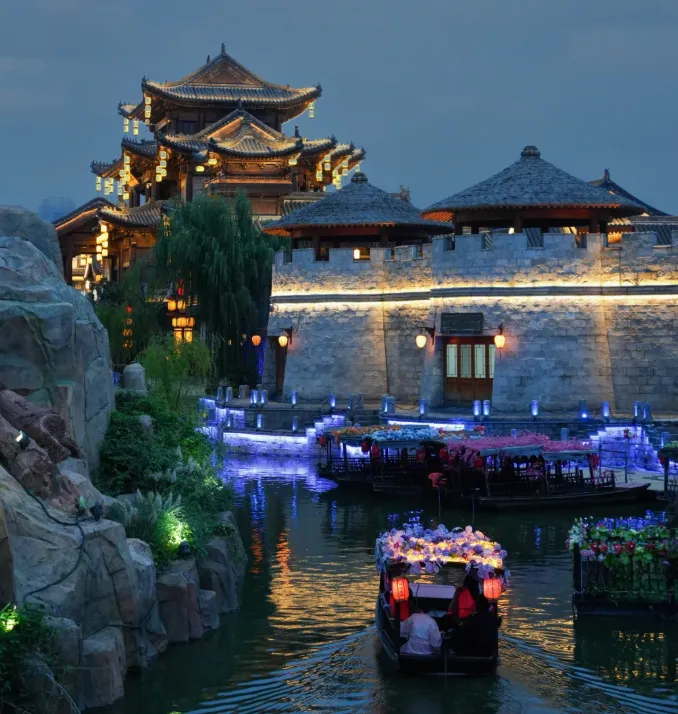
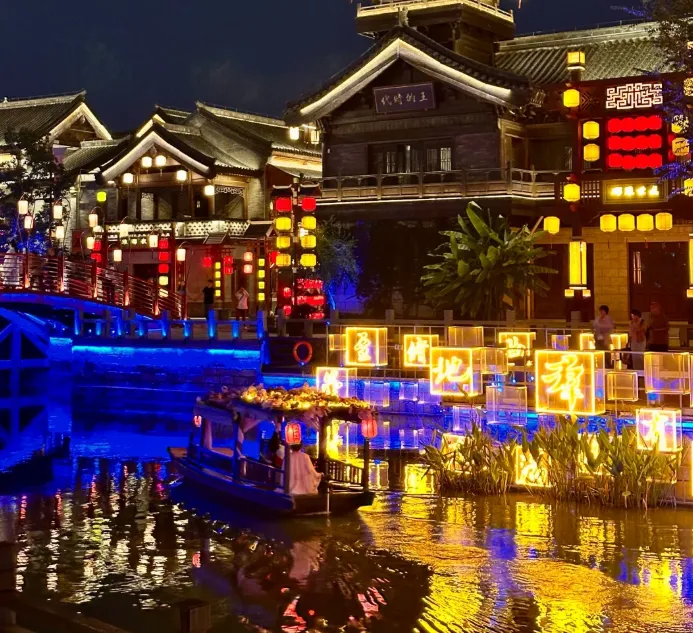
二、解码当下客群消费习惯 | 追求自我、注重品质、乐于分享
理解并顺应主流客群的消费习惯,是县域文旅发展的前提。当前核心消费群体(以“Z世代”、新中产、亲子家庭等为主)呈现出以下鲜明特点:
体验至上与自我表达:消费者愈发看重旅行带来的独特经历和个人成长。他们渴望参与而非旁观,热衷于非遗手工、农耕体验、户外探险、地方美食制作等能亲手参与、融入当地生活的项目。旅行成为彰显个性、实现自我价值的重要方式。
品质敏感与休闲内核:对住宿、餐饮、环境乃至服务的品质要求显著提高。精品民宿、主题酒店、生态露营地需求旺盛;“一餐一宿”本身即可成为出游目的。消费者希望在优美的自然或人文环境中放松身心,享受“慢生活”,对目的地的整体环境舒适度、服务友好度极为关注。
文化共鸣与情感连接:对真实、原生态的文化体验抱有浓厚兴趣。能够触动内心、引发思考的历史故事、民俗活动、艺术表演更具吸引力。旅行寻求与目的地建立情感上的深度连接,而非简单的物理位移。
社交分享与圈层影响:旅行全过程与社交媒体紧密绑定。“打卡”拍照、录制短视频、撰写攻略笔记是重要环节。优质、独特、具有“网感”的体验能通过社交网络实现裂变式传播,口碑效应远超传统广告。圈层文化(如露营圈、徒步圈、汉服圈等)对消费决策的影响巨大。
理性决策与综合考量:信息获取渠道多元,善于比价和查阅真实评价。在关注价格的同时,更综合考量时间成本、体验价值、安全卫生、环保理念等多重因素,消费决策趋于理性与成熟。
Understanding and adapting to the consumption habits of the mainstream customer group is the prerequisite for the development of county-level cultural tourism. Currently, the core consumer groups (mainly including "Generation Z", new middle class, family with children, etc.) exhibit the following distinct characteristics: prioritizing experience and self-expression: Consumers increasingly value the unique experiences and personal growth brought by travel. They prefer to participate rather than just observe, and are enthusiastic about projects such as intangible cultural heritage craftsmanship, agricultural experience, outdoor exploration, and local cuisine making that allow them to participate and integrate into local life. Travel becomes an important way to showcase individuality and realize self-worth.
Quality sensitivity and leisure core: The quality requirements for accommodation, dining, environment, and even service have significantly increased. There is a strong demand for boutique hotels, theme hotels, and ecological campsites; "one meal and one stay" itself can become the purpose of the trip. Consumers hope to relax in a beautiful natural or cultural environment, enjoy "slow life", and pay great attention to the overall environmental comfort and service friendliness of the destination.
Cultural resonance and emotional connection: There is a strong interest in authentic, original cultural experiences. Historical stories, folk activities, and artistic performances that can touch the heart and trigger thoughts are more attractive. Travel seeks to establish a deep emotional connection with the destination rather than a simple physical displacement. Social sharing and influence of the circle: The entire travel process is closely bound to social media. "Taking photos for打卡", recording short videos, and writing travel guide notes are important steps. High-quality, unique, and "internet-savvy" experiences can achieve viral spread through social networks, and the word-of-mouth effect far exceeds traditional advertising. Circle culture (such as camping circle, hiking circle, Hanfu circle, etc.) has a significant impact on consumption decisions. Rational decision-making and comprehensive consideration: There are diverse information acquisition channels, and they are good at comparing prices and consulting real evaluations. While paying attention to prices, they also comprehensively consider factors such as time cost, experience value, safety and hygiene, and environmental protection concepts, and their consumption decisions tend to be rational and mature.
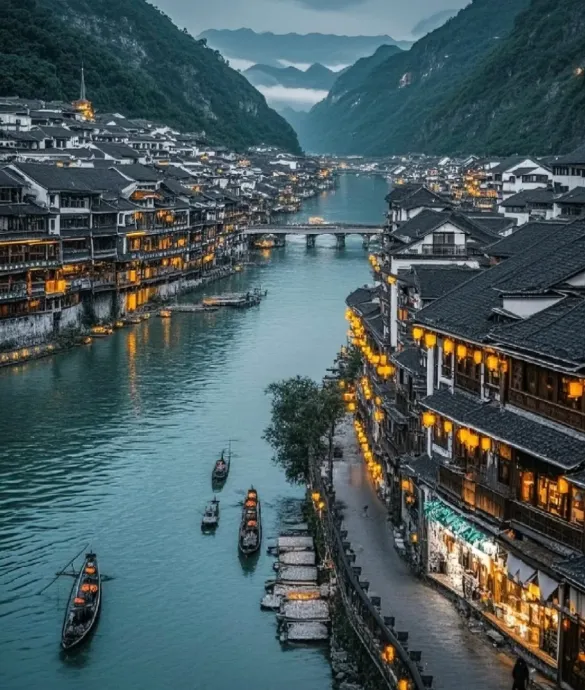

三、提升休闲属性与服务质量 | 县域文旅发展的核心策略
基于上述趋势与消费习惯,县域文旅要实现突破性发展,必须紧紧围绕“提升休闲属性”与“优化服务体验”两大核心,实施系统化策略。
深耕在地文化,打造高辨识度休闲IP与产品体系:休闲属性的提升,根植于独特内容的创造。县域应摒弃“大而全”的模仿思路,转向“小而美”的深耕策略。IP化打造与叙事转化:深入挖掘本地最具特色的自然或文化资源(如一首诗、一个人、一种物产、一项技艺),进行系统化、品牌化开发,构建核心文旅IP。围绕IP,创作生动故事,设计视觉符号,并将其贯穿于整个旅游体验中,形成强大的情感吸引力和市场号召力。产品沉浸化与体验化:推动产品从“观看式”向“沉浸式”、“参与式”升级。建设非遗工坊、露天博物馆、沉浸式剧场;开发主题徒步线路、田园综合体体验项目;策划季节性民俗节庆、主题市集等活动,让游客可触摸、可体验、可带走记忆。场景休闲化与生活化:将整个县域或核心片区作为一个大休闲空间来营造。优化城乡风貌,建设休闲绿道、滨水空间、文化街区等公共休闲载体。鼓励发展精品民宿集群、主题咖啡馆、独立书店、艺术工作室等“慢生活”业态,让游客能“住下来、慢下来、融进来”。
构建全周期、精细化、人性化的服务质量体系:优质服务是休闲体验的保障,也是形成口碑和回头客的关键。服务标准化与个性化结合:在交通、住宿、餐饮、安全等基础环节建立并严格执行服务标准,保障底线质量。同时,鼓励从业者提供充满人情味的个性化服务,如民宿主人的在地文化讲解、针对家庭游客的贴心安排等,创造超越预期的感动瞬间。智慧服务赋能便捷与深度:加快建设县域智慧文旅平台,实现“一部手机游全域”。提供智能导览、线上预约、无接触服务、虚拟体验等。利用数据分析游客行为,实现精准营销和客流预警。但需注意,技术应用应服务于提升人的体验,而非制造隔阂。主客共享与社区参与:文旅发展应惠及本地社区,鼓励居民以多种形式参与(如提供民宿、餐饮、向导、手工艺展示等)。友好的社区氛围本身就是重要的旅游吸引力。通过培训提升居民旅游服务意识和技能,形成“人人都是旅游形象,处处都是旅游环境”的和谐主客关系。完善基础设施与公共服务:持续改善通往景区的道路交通、停车设施;提升旅游厕所、游客中心、标识系统的质量;加强环境卫生整治和生态保护;健全应急救援和安全保障机制。这些是提升整体休闲舒适度的基础。
创新营销传播,精准触达目标客群:内容营销与故事讲述:利用短视频、直播、图文笔记等新媒体形式,持续产出高质量、有故事性的内容,展现县域的独特魅力、休闲氛围和真实体验,吸引潜在游客。圈层营销与跨界合作:主动与户外运动、文化艺术、美食美酒等领域的社群、品牌、KOL/KOC合作,策划专题活动,渗透核心圈层,实现精准引流。口碑管理与品牌塑造:高度重视线上点评和游客反馈,及时响应、妥善处理。鼓励游客分享正面体验,积累网络口碑,逐步塑造值得信赖、令人向往的休闲目的地品牌形象。
Based on the above trends and consumption habits, for county-level cultural tourism to achieve breakthrough development, it must closely focus on the two core aspects of "enhancing the leisure attribute" and "optimizing the service experience", and implement a systematic strategy.
Deepen the local culture, create high-visibility leisure IPs and product systems: The enhancement of the leisure attribute is rooted in the creation of unique content. Counties should abandon the "big and comprehensive" imitation approach and shift to a "small and beautiful" deepening strategy. IP creation and narrative transformation: Deeply explore the most distinctive natural or cultural resources (such as a poem, a person, a product, a craft), conduct systematic and brand-based development, and build core cultural tourism IPs. Around the IP, create vivid stories, design visual symbols, and integrate them throughout the entire tourism experience, forming strong emotional appeal and market appeal. Product immersion and experience: Promote the upgrade of products from "watching" to "immersive" and "participatory". Build intangible workshops, open-air museums, immersive theaters; develop theme hiking routes, rural complex experience projects; plan seasonal folk festivals, theme markets, etc., allowing tourists to touch, experience, and take away memories. Scene leisureization and life-oriented: Treat the entire county or core area as a large leisure space. Optimize urban and rural landscapes, build leisure greenways, waterfront spaces, cultural districts and other public leisure carriers. Encourage the development of boutiqueclusters,theme cafes,independent bookstores,art studios,etc.,allowing tourists to "stay, slow down, and integrate".
Build a full-cycle,refined,and humanized service quality system:Quality service is the guarantee of leisure experience and the key to forming a good reputation and repeat customers. Service standardization and personalization combination:Establish and strictly implement service standards in basic links such as transportation,accommodation,catering,and safety to ensure the bottom-line quality. At the same time,encourage practitioners to provide personalized services with humanistic touch, such as local culture explanations by owners for local residents,and thoughtful arrangements for family tourists,etc.,creating unexpected touching moments. Smart service empowerment for convenience and depth:
Accelerate the construction of county-level smart cultural tourism platforms to achieve "one mobile phone for the entire region". Provide intelligent guidance, online reservations, contactless services, virtual experiences,etc. Use data analysis of tourists' behaviors to achieve precise marketing and crowd flow warnings. However,it is necessary to note that technology application should serve to enhance people's experience,rather than creating barriers. Host and community participation: Cultural tourism development should benefit the local community, encouraging residents to participate in various forms (such as providing guesthouses, restaurants, guides, handicraft displaysetc.). A friendly community atmosphere is itself an important tourism attraction. Through training to enhance residents' tourism service awareness and skills, form a harmonious host-resident relationship where "everyone is a tourism image and everywhere is a tourism environment". Improve infrastructure and public services: Continuously improve road traffic to scenic spots, parking facilities; enhance the quality of tourist toilets, visitor centers, and signage systems; strengthen environmental sanitation and ecological protection; improve emergency rescue and safety guarantee mechanisms. These are the foundation for improving overall leisure comfort.
Innovate marketing and communication,precisely reach target customers:Content marketing and story-telling: Utilize new media forms such as short videos, live streaming, and graphic notes to continuously produce high-quality, story-driven content, showcasing the unique charm, leisure atmosphere, and real experience of the county,attracting potential tourists. Circle marketing and cross-border cooperation:Actively collaborate with communitiesbrands,KOLs/KOCs in outdoor sports,culture and art,food and wine,etc.,plan special events, penetrate core circles, and achieve precise traffic diversion. Reputation management and brand building: Attach great importance to online reviews and tourists' feedback, respond promptly and handle properly. Encourage tourists to share their positive experiences, accumulate online word-of-mouth, and gradually shape a trustworthy and desirable brand image for the leisure destination.
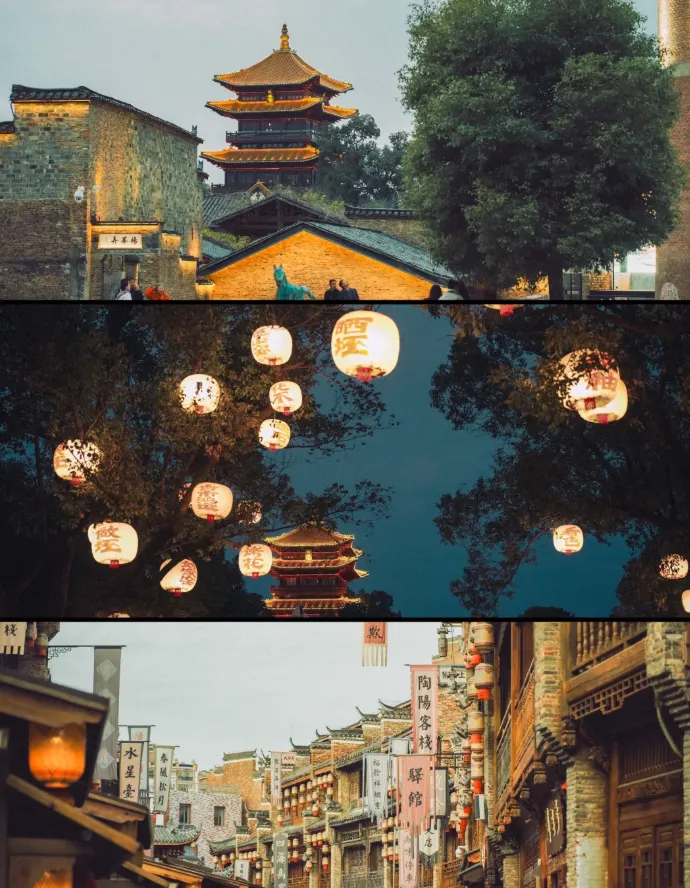
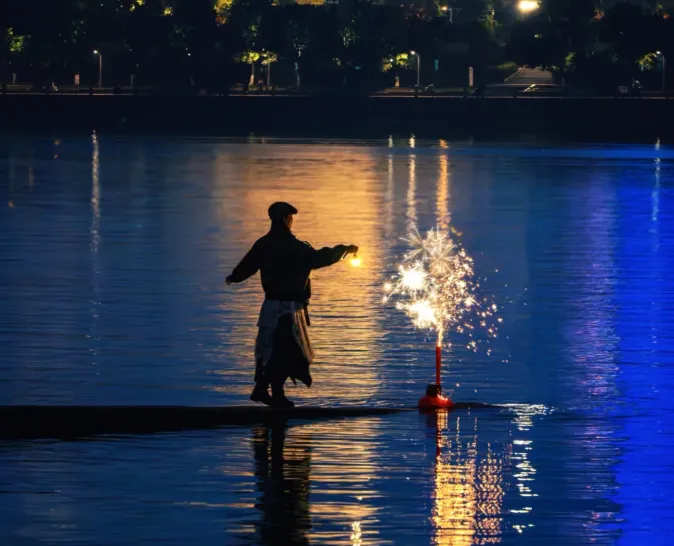
The future of the county-level cultural tourism market does not lie in blindly pursuing an increase in the number of tourists, but in striving for a leap in development quality. The core path lies in deeply grasping the inherent trend of the market's pursuit of in-depth experiences and quality leisure in the context of consumption upgrading. Based on the unique resource endowments and cultural heritage of the county, systematic product reconfiguration is carried out with an "enjoyment-oriented" approach, and the entire service chain is upgraded based on the principle of "humanization". By creating leisure experiences with high emotional value and cultural warmth, the county can not only effectively meet the new era tourists' longing for "poetry and distant places", but also truly cultivate the cultural tourism industry into a pillar industry for the sustainable development of the county economy and an important lever for promoting common prosperity between urban and rural areas.
- END -
内容整理|爱易设规划设计事务所、AYS爱易设
素材来源|部分文案及图片来源于网络
文章声明|文章及图片内容仅供参考,我们尊重原创和知识产权,所有转载或改编均会明确标注出处;若不慎侵犯了第三方权益,请立即联系我们,我们将尽快处理。

易老师联系方式:13717943868
▼
