


囫囵吞枣的“数据人”:数据分析报告
The "Data Person" Who Swallows Dates Whole: A Data Analysis Report
一手数据还是二手数据?
Primary Data or Secondary Data?
常见的互联网数据采集工具
Common Internet Data Collection Tools
如何分析数据是关键
How to Analyze Data Is the Key
如果你想问信息素养课程中最让人头疼的是什么,学生们会异口同声地告诉你:数据。
If you ask what is most headache-inducing in information literacy courses, students will unanimously tell you: data.
数据获取、评估、分析等一系列强逻辑性的训练让很多非理工类的学生头疼不已。
A series of highly logical training in data acquisition, evaluation, and analysis has caused headaches for many non-science and engineering students.
而我选择从综合性最强的数据分析报告开始,是基于一种“囫囵吞枣”理念。
However, my choice to start with the most comprehensive data analysis report is based on a "swallowing dates whole" philosophy.
以我个人的学习体验来说,有时候囫囵吞枣可以迅速让人沉浸于某个领域,不至于让我们在门外优柔寡断,踟蹰不前。
From my personal learning experience, sometimes swallowing things whole can quickly immerse one in a field, preventing us from hesitating and dithering outside the door.
完成一篇完整的数据分析报告所需要的能力是多方面的,比如获取数据时的各种数据集与网络采集器,分析数据时的矩阵、漏斗、平均、交叉等分析方法、数据可视化时眼花缭乱的分析工具,这些在评估与分析那一章我们已经涉及过一些,这一节我想用数据分析报告为故事线,串起数据论证过程中的主要步骤。
The abilities required to complete a full data analysis report are multifaceted—for example, various datasets and web collectors when acquiring data; analysis methods such as matrices, funnels, averages, and cross-tabulations when analyzing data; and dazzling analysis tools for data visualization. We have touched upon some of these in the chapter on evaluation and analysis. In this section, I want to use the data analysis report as a story line to string together the main steps in the data argumentation process.
一 数据+报告=数据分析报告?
I. Data + Report = Data Analysis Report?
之所以有底气让大家“囫囵吞枣”地来写数据分析报告,其实是基于数据分析报告与文献综述的基本原理和流程相同,都需要经过数据(文献)的获取、清洗(筛选)、分析、整合与再生的过程。
The reason I have the confidence to let everyone write a data analysis report in a "swallowing dates whole" manner is that the basic principles and processes of a data analysis report and a literature review are the same, both requiring the process of data (literature) acquisition, cleaning (screening), analysis, integration, and regeneration.
完整的数据分析报告包括背景介绍、数据来源、数据采集方法、数据质量评估与清理、数据分析方法、数据分析结果、结论与建议、参考文献八个部分。
A complete data analysis report includes eight parts: background introduction, data sources, data collection methods, data quality assessment and cleanup, data analysis methods, data analysis results, conclusions and recommendations, and references.
所以,数据分析报告并不是数据和报告的简单相加,而是以数据为基础,发现问题,说明事实,给出结论的报告。
Therefore, a data analysis report is not a simple addition of data and a report, but a report that uses data as its foundation to identify problems, explain facts, and draw conclusions.
二 好故事的开头应该是怎样的?
II. What Should a Good Story's Beginning Be Like?
一篇好的学术论文应该包含对三个要素的论述:重要性、挑战性和创新性。
A good academic paper should include a discussion of three elements: importance, challenges, and innovation.
简单来说就是你为什么要研究这个问题?问题的困难在哪里?你做出了什么前人没有的贡献?
Simply put, it answers: Why are you studying this problem? Where lies the difficulty of the problem? What contribution have you made that predecessors have not?
数据分析报告的背景介绍就是一个好故事的开头,需要把这三个要素用简洁的语言说清楚。
The background introduction of a data analysis report is the beginning of a good story, which needs to clearly state these three elements in concise language.
这一部分最重要的是数据分析目的、分析方法和分析结论。
The most important part of this section is the purpose of the data analysis, the analysis methods, and the analysis conclusions.
要让看报告的人快速了解你的整个思路和逻辑,注意切莫过于复杂,导致人家在第一步就被弄晕头脑。
It should allow readers of the report to quickly understand your entire train of thought and logic, being careful not to be overly complex and causing them to get confused at the first step.
如果使用了特定的分析工具,需要特别提出:比如“基于×××工具进行了×××方面的分析”。
If specific analysis tools are used, they need to be particularly mentioned: for example, "an analysis of ××× aspects was conducted based on the ××× tool."
我们来看一个专利数据分析的案例(图9-11),我把刚才说到的三要素提炼一下,便于大家快速进入角色:
Let's look at a case of patent data analysis (Figure 9-11). I have distilled the three elements just mentioned to help everyone quickly get into their roles:
(1)数据分析目的:应×××的要求,对其团队申请的纤维素相关专利进行分析,挖掘潜在合作企业,促进其团队专利的转化。
(1) Purpose of data analysis: At the request of ×××, analyze the cellulose-related patents applied for by their team, explore potential cooperative enterprises, and promote the transfer and transformation of their team's patents.
图9-11 数据分析报告背景介绍
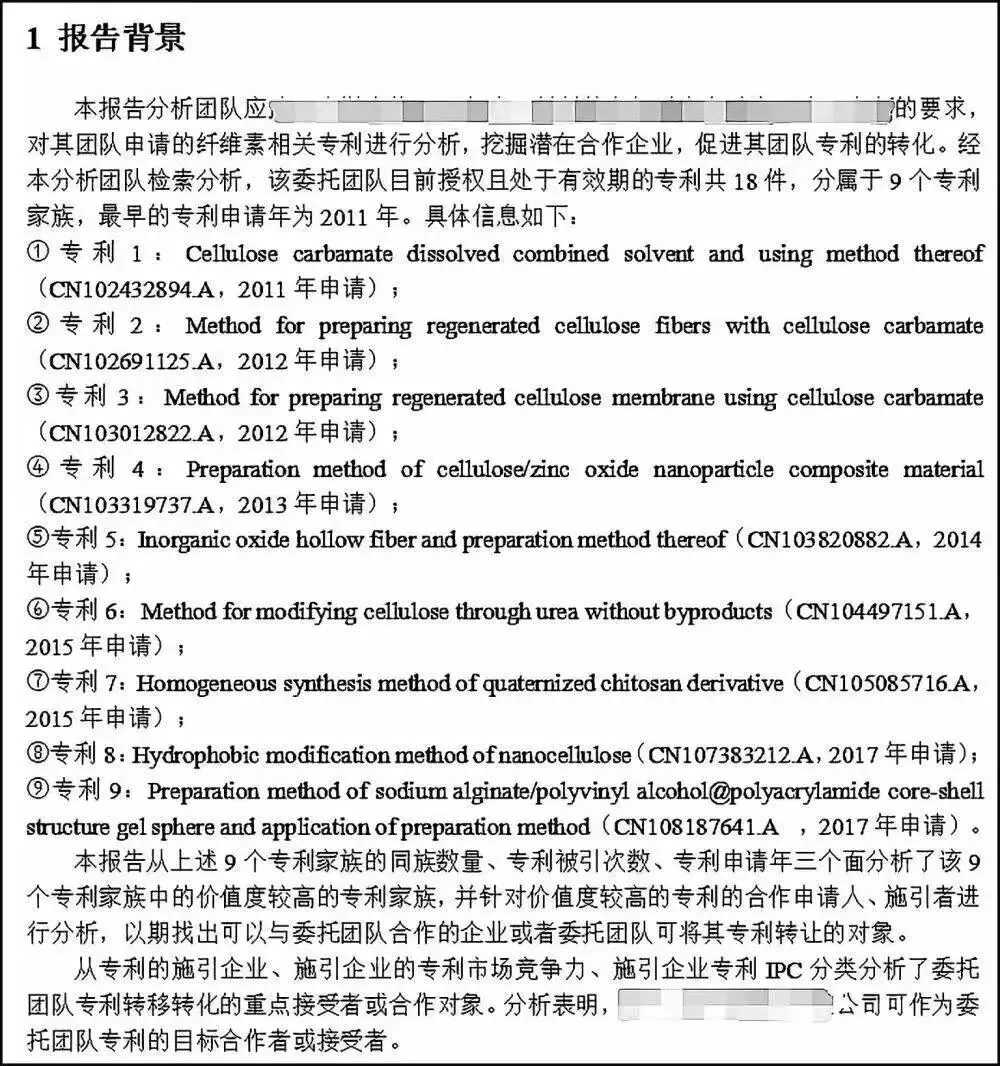
Figure 9-11 Background Introduction of Data Analysis Report
(2)数据分析方法:从上述9个专利家族的同族数量、专利被引次数、专利申请年三个方面分析了该9个专利家族中的价值度较高的专利家族,并针对价值度较高的专利的合作申请人、施引者进行分析。
(2) Data analysis methods: From the three aspects of the number of family members, the number of patent citations, and the year of patent application of the above 9 patent families, the higher-value patent families among the 9 were analyzed, along with an analysis of the co-applicants and citing entities of the higher-value patents.
(3)数据分析结论:从专利的施引企业、施引企业的专利市场竞争力、施引企业专利IPC分类分析了委托团队专利转移转化的重点接受者或合作对象。
(3) Data analysis conclusions: The key recipients or partners for the transfer and transformation of the entrusting team's patents were analyzed from the aspects of the citing enterprises of the patents, the patent market competitiveness of the citing enterprises, and the IPC classifications of the citing enterprises' patents.
分析表明,×××公司可作为委托团队专利的目标合作者或接受者。
The analysis shows that ××× Company can serve as a target partner or recipient for the entrusting team's patents.
