

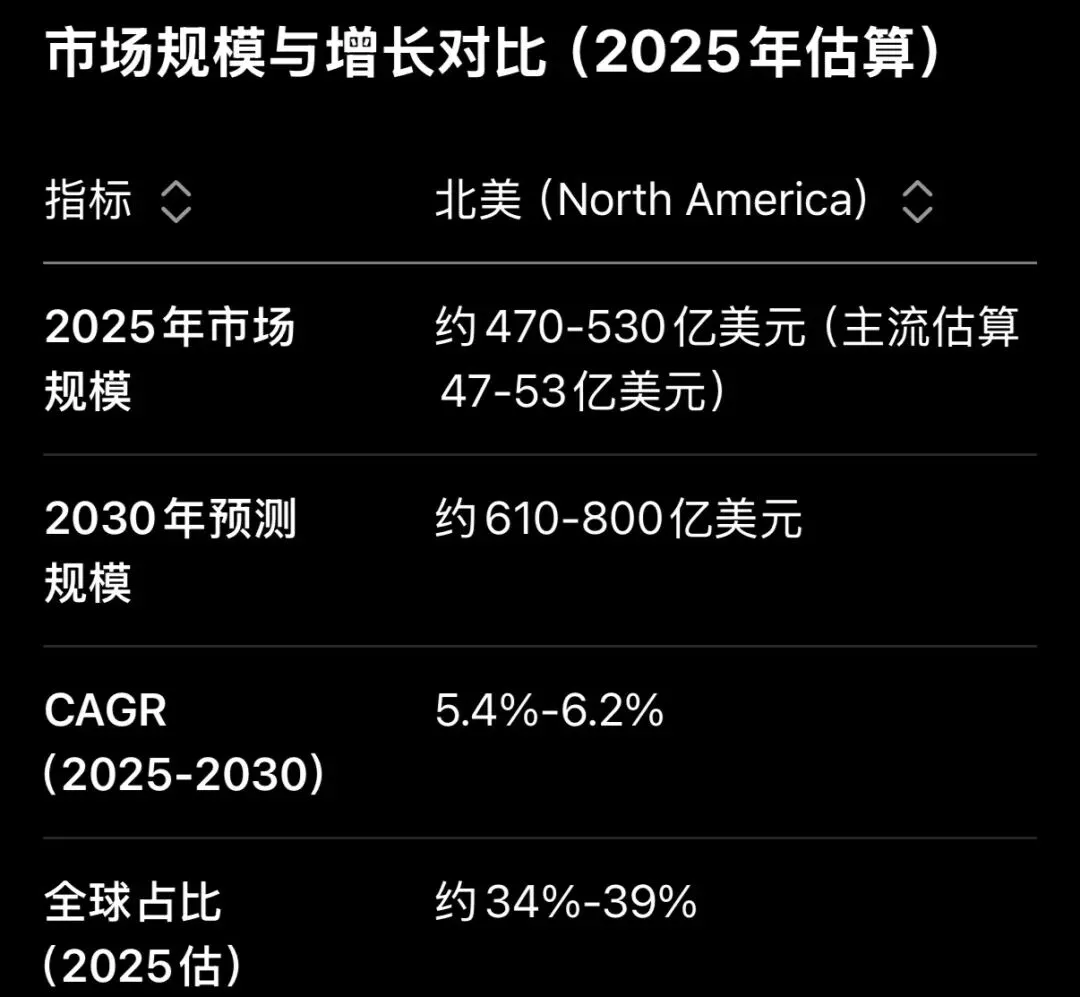
北美安防行业作为全球安全体系的核心组成部分,涵盖物理访问控制、入侵检测、视频监控及关键基础设施保护等领域,其发展深受技术创新、监管标准及地缘政治因素影响。根据最新市场分析,北美物理安防市场规模预计于2025年达到约470亿美元,并以复合年增长率(CAGR)5.40%持续扩张,至2030年有望突破610亿美元。
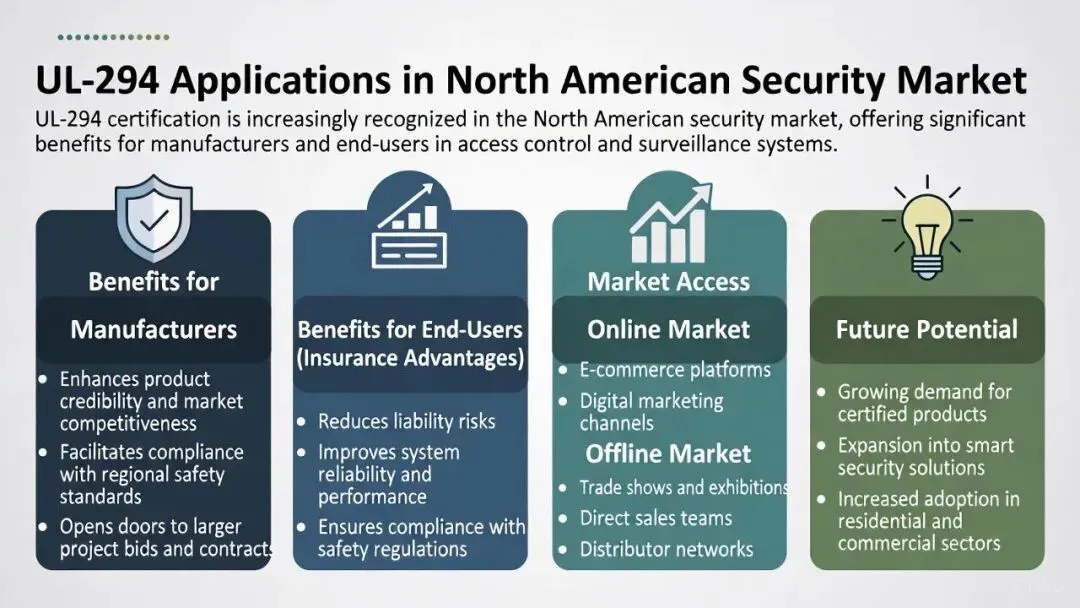
主要发展趋势
技术融合与智能化升级:行业正加速融入人工智能(AI)、物联网(IoT)和云计算,例如在访问控制系统(如UL 294标准规范的设备)中引入生物识别和实时视频分析,以提升检测准确性和响应效率。同时,网络安全标准(如UL 2900系列)日益强调物理与数字安全的融合,防范混合威胁。
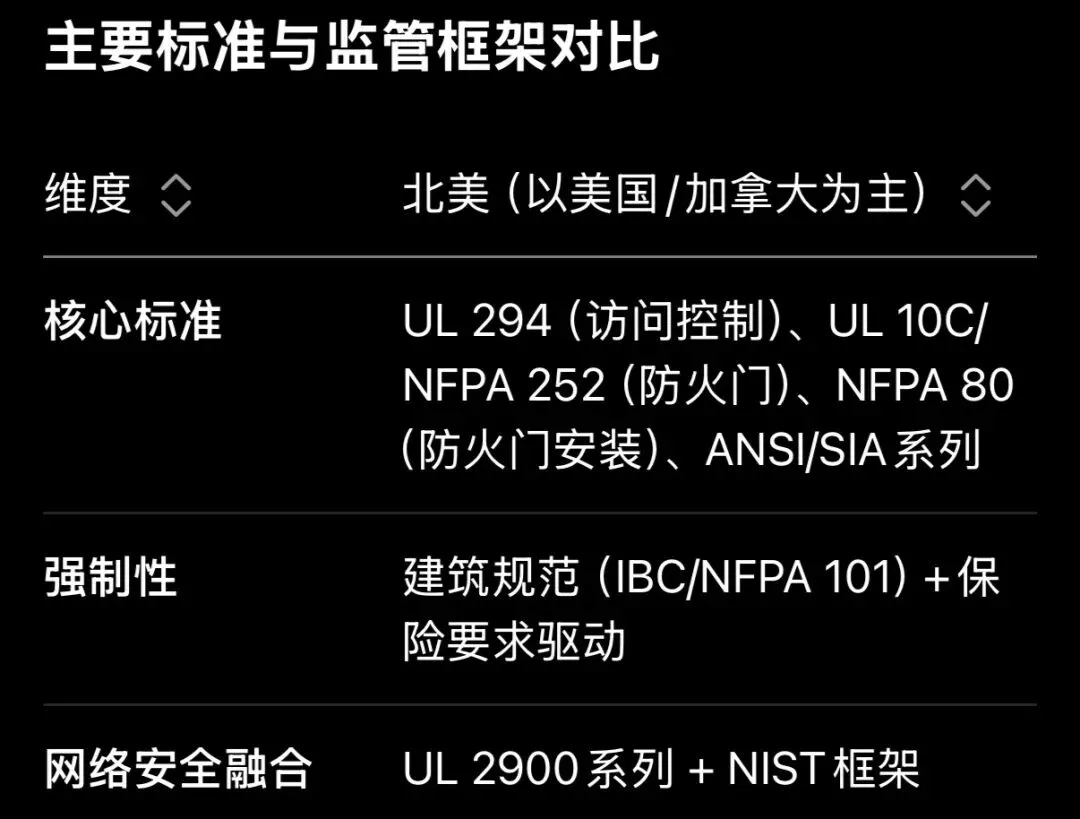
2 监管与标准演进:北美安防高度依赖UL和NFPA标准体系,例如UL 294(访问控制系统)、UL 10C(防火门组件)和NFPA 80(防火门安装),这些标准确保系统在火灾和紧急情况下的可靠性和互操作性。未来,标准将进一步强调正压防火测试和耐久性,以适应气候变化及城市化带来的新挑战。
垂直行业应用扩展:零售、医疗和关键基础设施(如能源、交通)需求强劲,其中零售领域预计2025-2032年增长最快,推动防盗和损失管理投资。
4
未来前景
展望2030年后,北美安防市场前景乐观,预计整体规模将达650-1100亿美元,受益于数字化转型和政策支持。
北美安防相关标准概述
北美(主要指美国和加拿大)的安防(physical security)标准主要聚焦于物理安全系统,如访问控制、入侵检测、视频监控、围栏安全和电子安全设备。这些标准由多个组织制定,包括Underwriters Laboratories (UL)、National Fire Protection Association (NFPA)、American National Standards Institute (ANSI)、Security Industry Association (SIA)以及政府机构如Department of Defense (DoD)和Interagency Security Committee (ISC)。这些标准确保系统符合安全、可靠性和互操作性要求,常用于商业、工业、政府和关键基础设施领域。以下是主要相关标准列表(基于行业实践和认证要求):
UL 标准系列:ETL,UL 是北美最权威的安全认证机构。
UL 294:访问控制系统单元标准,规定门禁设备的电气安全和性能。
UL 681:入侵检测系统安装标准,覆盖报警系统。
UL 2050:国家工业安全系统标准,用于敏感设施(如SCIF,Sensitive Compartmented Information Facilities)。
UL 2900-2-3:物理安全系统的网络安全标准,针对设备和系统的漏洞评估。
NFPA 标准系列:NFPA 重点关注火灾和电子安全整合,常与安防系统结合。
NFPA 731:电子场所安全系统安装标准,涵盖入侵检测、访问控制和监控系统的设计、安装和维护。
NFPA 70 (National Electrical Code, NEC):电气安装标准,包括安防设备的布线和电源要求。
NFPA 72:国家火灾报警和信号系统代码,与安防报警系统高度相关。
ANSI 标准系列:ANSI 协调多行业标准,常与SIA合作。
ANSI/SIA PIR-01:被动红外运动探测器标准,针对假警报免疫功能。
36 ANSI/SIA AC-01:访问控制系统标准,定义性能和兼容性。
31 ANSI/ASME B20.1:输送机和相关设备安全标准,用于物流安防整合。
31
SIA 标准:SIA 是安防行业协会,制定针对性标准。
SIA CP-01:控制面板标准,减少假警报。
SIA DC-09:报警通信协议标准,支持IP和蜂窝传输。
SIA 还推动围栏安全、音频分析和智能通信标准。
29
政府和行业指南:
ISC Best Practices:物理安全资源规划和管理最佳实践,用于联邦设施。
0 DoD Manual 5200.08:国防部物理安全程序,适用于军事和敏感设施。
DCID 1/21:敏感信息设施物理安全手册。
3 ICS 705-1:技术安全标准,用于SCIF。
33
此外,加拿大标准协会 (CSA) 制定类似标准,如CSA C22.1 (Canadian Electrical Code),与UL和NFPA互认,用于北美统一市场。
应用最广泛的标准
在北美,安防标准应用广泛于建筑、工业和关键基础设施。根据行业报告和实践,最广泛应用的包括:
UL 标准:几乎所有安防设备(如门禁、报警、CCTV)都需要UL认证,是市场准入的“金标准”。在商业和住宅项目中,UL 294 和 UL 681 最常见,用于确保产品安全和可靠性。发证机构有ETL-Intertek, UL等
NFPA 731 和 NFPA 70:广泛用于电子安全系统安装,尤其在火灾与安防整合的场景,如医院和数据中心。NFPA 标准被多州法律采纳,是建筑规范的核心。
35 38 ANSI/SIA 标准:如 PIR-01 和 AC-01,在入侵检测和访问控制领域最流行,因为它们针对假警报和互操作性问题,减少了系统故障。
29 36
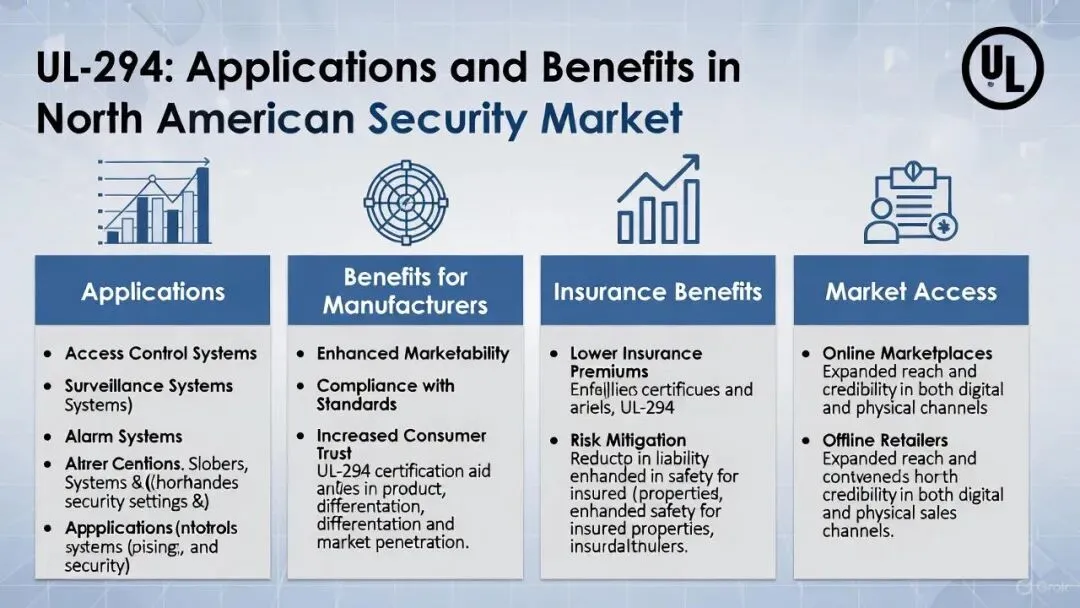
UL 294 is the Underwriters Laboratories (UL) standard titled “Standard for Access Control System Units” (also known as ANSI/UL 294). It is one of the most important and widely referenced safety and performance standards for physical access control systems in North America.
This standard is used to evaluate the construction, performance, and operation of access control equipment and systems, ensuring they are safe, reliable, and do not create hazardous conditions (such as electrical shock, fire risks, or failure during emergency egress). It is frequently required by building codes like the International Building Code (IBC) and NFPA 101 Life Safety Code for certain electrified locking systems, especially in commercial, institutional, and healthcare facilities.
Scope of UL 294
The standard applies to physical access control equipment and/or systems intended to regulate or control:
Entry into and/or exit from a controlled area, protected area, or restricted area, or
Access to or the use of a device(s) by electrical, electronic, or mechanical means.
It covers components such as:
Control panels/units
Card readers, keypads, biometric devices
Power supplies
Electric locks/strikes (when part of the access control system)
Related computer equipment necessary for system operation
Exclusions:
The accuracy of logged data/reporting is not evaluated.
Supplementary computer equipment (not essential for core access granting/denying) is excluded if faults do not inhibit operation or allow unauthorized entry.
If the system includes burglar alarm functions, additional standards like UL 1076 or UL 2610 may also apply.
Key Performance Levels (Tiered Security Characteristics)
UL 294 defines four levels of security performance (from lowest to highest). Products must be tested and marked accordingly for each of the following four categories:
| Performance Category | Description | Level I (Lowest) | Level II | Level III | Level IV (Highest) |
|---|---|---|---|---|---|
| Destructive Attack | Resistance to physical attack (e.g., hammering, prying, cutting) | Basic | Moderate | High | Very high |
| Line Security | Protection against tampering or substitution of communication lines | Basic | Moderate | High | Very high |
| Endurance | Long-term reliability under repeated operations (cycles) | Lower cycles | Medium | High | Very high cycles |
| Standby Power | Ability to operate during power loss (battery backup duration) | Short duration | Medium | Long | Extended |
Most code-compliant installations (especially for life safety/egress) require at least Level I testing, as it ensures basic safety and reliable operation during emergencies.
Higher levels are used for high-security applications (e.g., government, data centers, critical infrastructure).
Editions and Updates
The current edition (as of late 2025) is Edition 8, published May 24, 2023 (ANSI approved same date). It includes updates, clarifications, and revisions throughout the document.
Edition 7 (2018, ANSI approved October 2018) was a major version with clarifications and corrections.
Edition 6 (around 2013) introduced significant changes, including expanded scope, alignment with international standards, and enhanced testing requirements.
Manufacturers must re-evaluate products when new editions are released, often with transition periods.
Why UL 294 Matters in Practice
Code Compliance — Referenced in IBC and NFPA 101 for controlled egress doors, delayed egress, healthcare facilities, elevator lobbies, etc. Non-compliant systems may fail inspections or insurance requirements.
Safety Focus — Emphasizes reliable release during emergencies (e.g., power failure, fire alarm integration) to prevent trapping occupants.
Certification Process — Products undergo rigorous UL testing (electrical safety, environmental, attack resistance). Certified components carry the ETL-UL Mark with level designations.
Often combined with other standards like UL 1034 (for burglary-resistant locks) or UL 603 (power supplies).
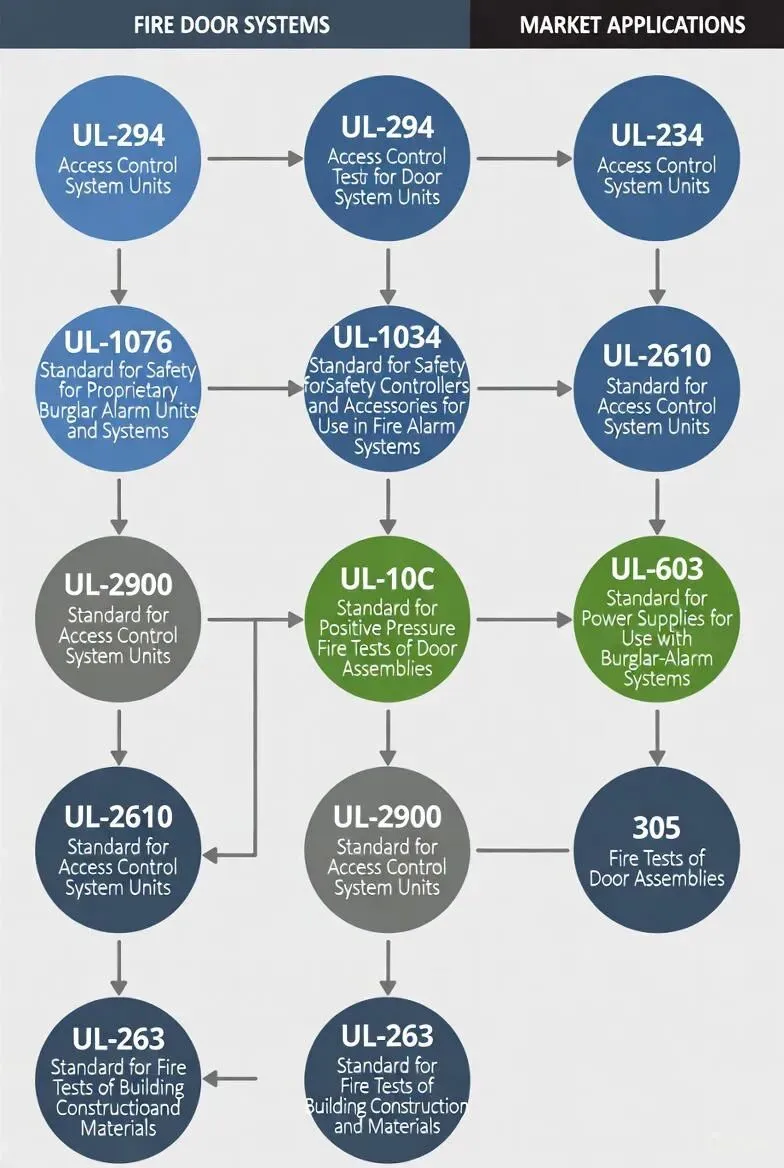
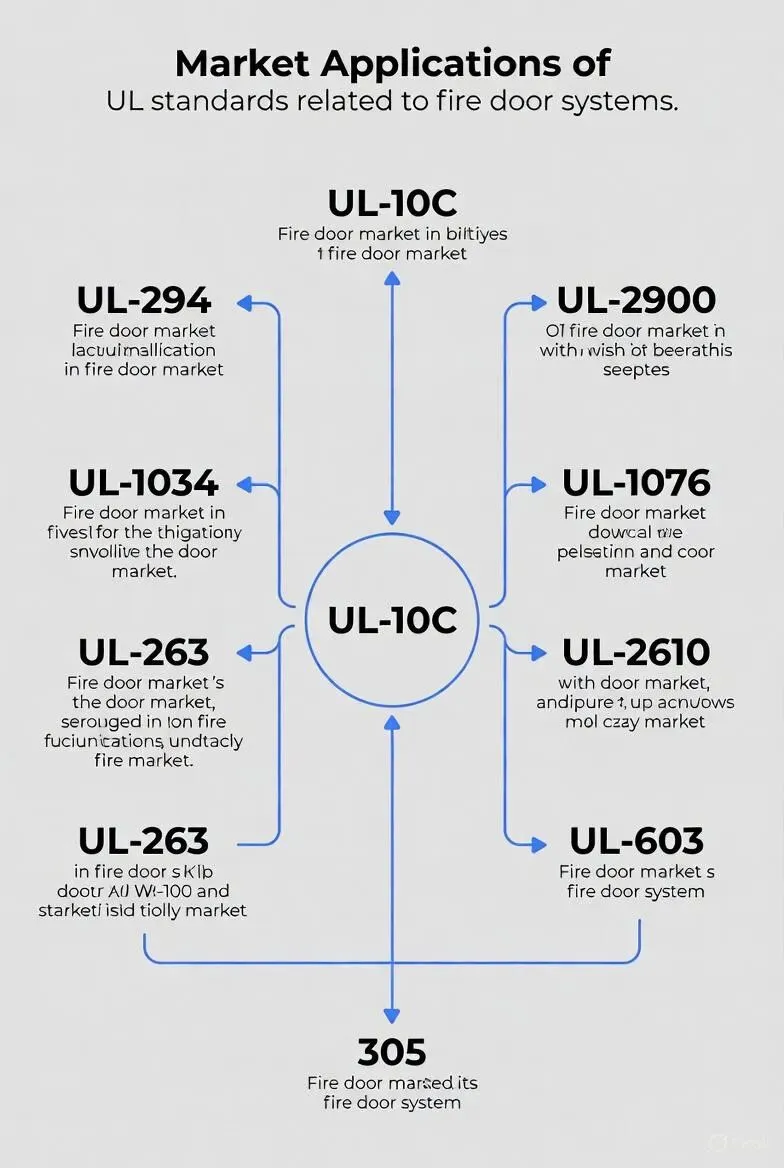
UL 294 and UL 10C are two distinct Underwriters Laboratories (UL) standards that address very different aspects of door hardware and assemblies in North American building applications. They are often referenced together in projects involving electrified access control on fire-rated doors, but they serve separate purposes and apply to different components.
Core Comparison Table
| Aspect | UL 294 (Access Control System Units) | UL 10C (Positive Pressure Fire Tests of Door Assemblies) |
|---|---|---|
| Full Title | Standard for Access Control System Units | Standard for Positive Pressure Fire Tests of Door Assemblies |
| Primary Focus | Safety, performance, and reliability of access control systems (e.g., panels, readers, power supplies, electrified locks when part of access control) | Fire endurance and integrity of complete swinging door assemblies (door, frame, hardware, glazing) under fire conditions |
| Main Purpose | Ensures safe operation, reliable egress (especially during power failure or fire alarm), and resistance to tampering/attack for electrified access control | Simulates real-world fire behavior with positive pressure to test how well the door assembly prevents passage of flames, heat, and gases; includes hose stream test |
| Geographical/Code Relevance | North America (USA/Canada); referenced in IBC/NFPA 101 for special locking arrangements (e.g., delayed egress, controlled egress, electromagnetic locks) | North America; required by International Building Code (IBC) for side-hinged/pivoted swinging fire doors (since late 1990s/early 2000s editions) |
| Current Edition (as of Dec 2025) | Edition 8 (May 2023) | Edition 3 (June 9, 2016; reaffirmed ANSI May 27, 2021) |
| Key Test Elements | - Destructive attack resistance - Line (communication) security - Endurance (cycle testing) - Standby power (battery backup) | - Standard time-temperature fire curve exposure - Positive pressure (hot gases forced against door) - Hose stream test (post-fire cooling/erosion) |
| Performance Levels/Grading | 4 independent Levels (I basic → IV very high) for each category | No graded levels; pass/fail with fire-protection rating (e.g., 20 min, 45 min, 90 min, etc.) |
| Typical Components Covered | Control panels, card/biometric readers, power supplies, some electrified locks/strikes (when integrated into access control system) | Complete door assembly: door leaf, frame, hinges, latches, closers, seals, vision lites/glazing, and hardware (including electrified if part of the assembly) |
| Egress/Life Safety Emphasis | Strong focus on reliable release during emergencies (fail-safe unlocking) to prevent trapping occupants | Ensures door maintains integrity and prevents fire spread; hardware must not compromise assembly during fire |
| Code Reference Examples | IBC 1010.2.9–1010.2.13 (special locking, delayed/controlled egress); NFPA 101 special locking sections | IBC Chapter 7 (716.2.1.1) for swinging fire doors; often paired with NFPA 252 (alternative positive pressure method) |
Key Differences & Relationship
Scope & Application
UL 294 is about the electrical/electronic safety and performance of access control systems and components. It ensures the system is safe (no shock/fire hazard), reliable over time, resistant to attack, and supports life safety (e.g., doors unlock on power loss or fire alarm).
UL 10C is a fire test standard for complete door assemblies (not individual components in isolation). It verifies the entire door (including any hardware) can withstand fire exposure under realistic positive pressure conditions (hot gases push against the door, simulating flashover or compartment fire behavior).
Why They Often Overlap
Many modern doors are both fire-rated and equipped with electrified access control (e.g., maglocks, electric strikes, delayed egress panic hardware).
For a fire-rated door with access control:
The access control system/components (panel, reader, power supply) typically need UL 294 listing (required by code for certain special locking arrangements).
The complete door assembly (including electrified hardware like strikes, maglocks, or panic devices when installed) must be tested to UL 10C (or NFPA 252) to maintain its fire-protection rating.
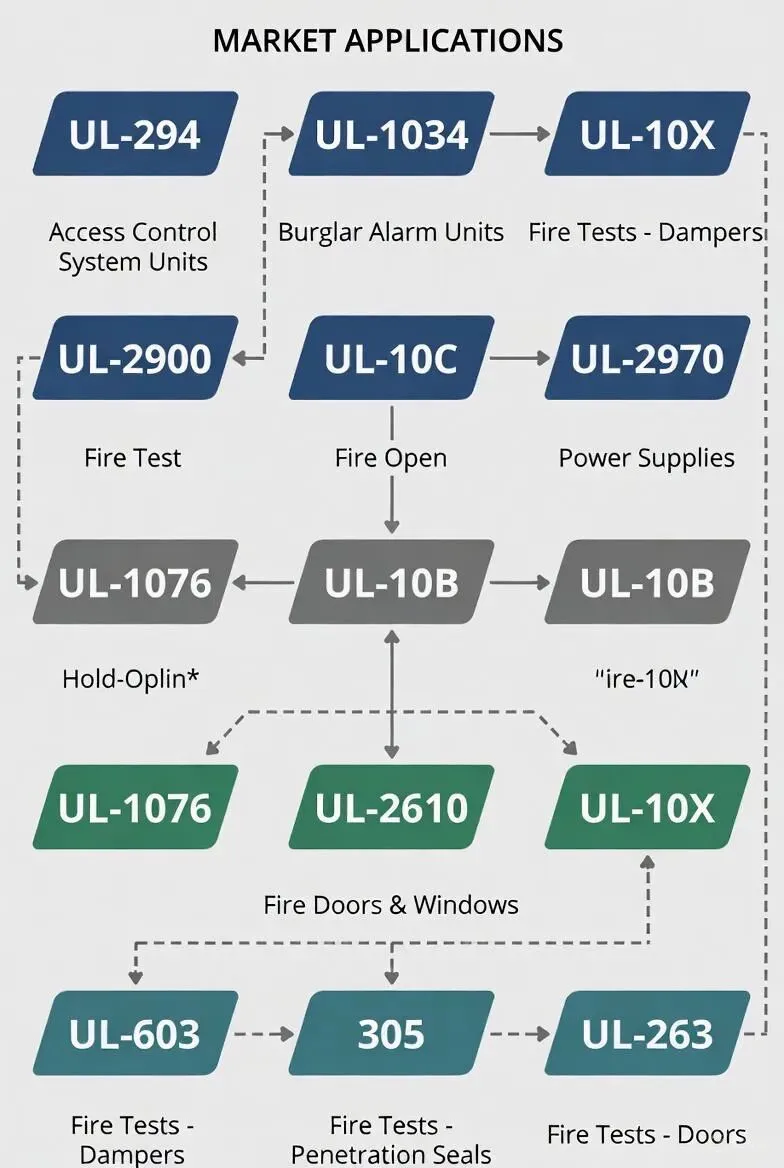
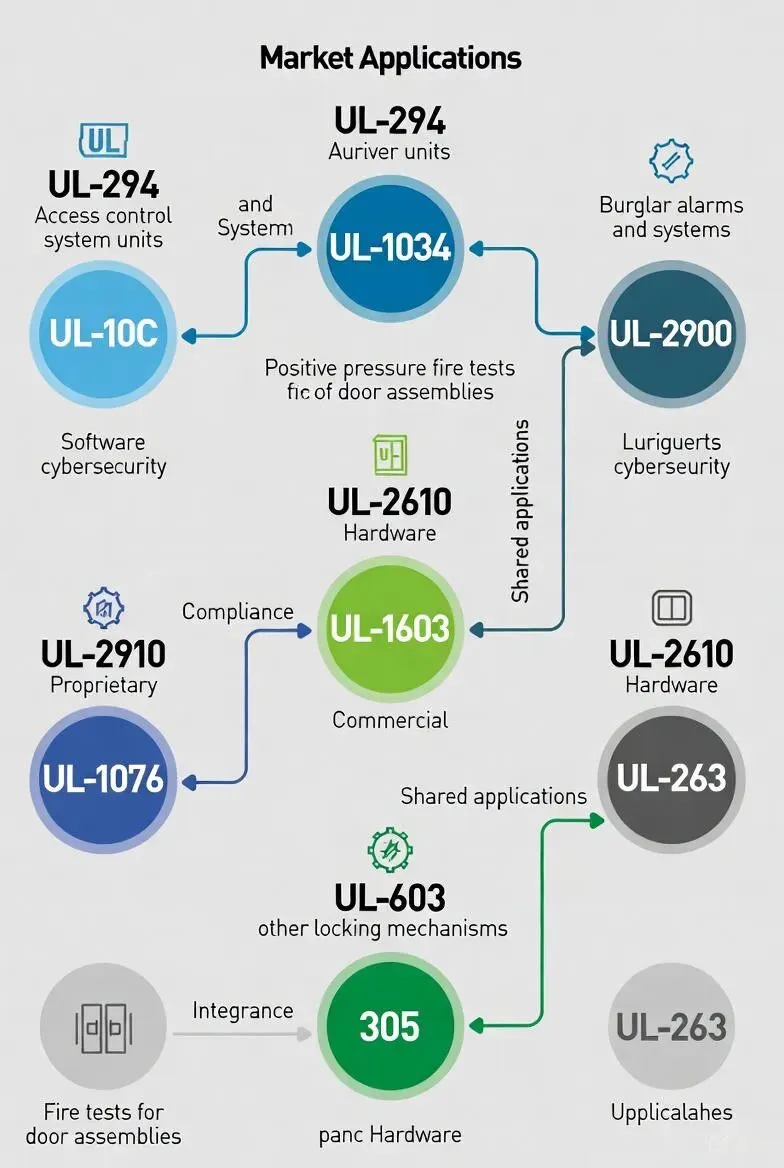
Hardware on fire doors often requires multiple listings: e.g., UL 294 (for access control function) + UL 10C (for fire door compatibility) + possibly UL 305 (panic hardware) or UL 1034 (burglary-resistant locks).
Practical Scenarios
A standard office door with card reader + electric strike → Needs UL 294 for the access control part (if it’s a special locking system).
The same door if it’s a fire-rated opening → The entire assembly (door + frame + electrified hardware) must pass UL 10C testing to keep its fire rating.
Not interchangeable — A UL 294-listed reader does not automatically qualify a door for fire rating; the assembly must be separately tested to UL 10C.
In summary:
Use UL 294 when specifying or certifying electrified access control systems for safety and performance (especially where codes require it for egress control).
Use UL 10C when ensuring a complete swinging fire door assembly meets modern positive-pressure fire resistance requirements.