African Healthcare Market Insights:Findings from Field Research in Ghana, Côte d’Ivoire, and Benin—Opportunities and Challenges in a BillionDollar Blue Ocean
一、调研背景与宏观洞察
Research Background and Macroeconomic Insights
当我们谈论非洲医疗市场时,往往容易陷入一种宏大而模糊的刻板印象。然而,真正踏上这片土地,深入加纳、科特迪瓦与贝宁的街头巷尾、诊所与医院,才会发现这里并非一块均质的铁板,而是一幅充满张力与割裂感的“马赛克”拼图。在这里,有跨国药企与本土初创企业的激烈博弈,也有现代医学与传统信仰的无声交织;既有中非合作结出的产业硕果,也有因极度贫困而被迫放弃生命的无奈叹息。这份基于三国的实地调研,试图穿透宏观数据的表象,还原一个真实、复杂且充满机遇的西非医疗生态。
When discussing the African healthcare market, it is easy to fall into broad and obscurestereotypes. Yet once one sets foot on the continent and ventures into the streets, clinics, and hospitals of Ghana, Côte d’Ivoire, and Benin, it becomes clear that Africa’s healthcare landscape is anything but homogeneous. Rather, it resembles a complex mosaic—fragmented, dynamic, and full of striking contrasts. Here, multinational pharmaceutical companies compete fiercely with local startups, while modern medicine quietly coexists with deeply rooted traditional beliefs.It is a region where China-Africa cooperation has fostered tangible industrial achievements, yet where extreme poverty still forces some patients to abandonlife-saving treatment. Drawing on field research conducted across these three countries, this report seeks to look beyond macro-level statistics and present an authentic, complicated, and opportunity-rich picture of the healthcare ecosystem in West Africa.
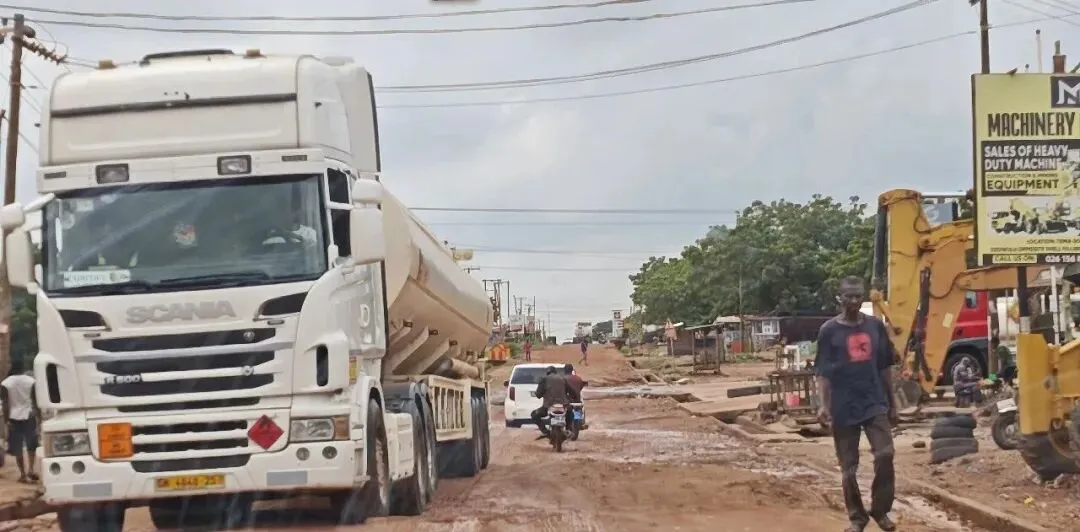
2026年6月24日,中国国际经济技术合作促进会医疗健康发展工作委员会率团赴非洲,对加纳、科特迪瓦及贝宁三国的医疗市场展开了深度调研。此次行程不仅是对区域医疗供需现状的观摩,也是对中非卫生健康合作潜力的实地勘察。非洲医疗市场正处于需求爆发与供给重构的交汇期。庞大的人口基数与疾病谱的演变(非传染性疾病负担上升)催生了巨大的市场空间;另外,基础设施薄弱、本土产能不足以及对外部援助和进口的依赖,构成了当前市场的核心痛点。这为中国医疗企业从“产品出海”向“体系出海”转型提供了历史性机遇。
On June 24, 2026, a delegation from the Medical and Health Development Working Committee of the China Association for the Promotion of International Economic and Technical Cooperation conducted an in-depth field study of the healthcare markets in Ghana, Côte d’Ivoire, and Benin. The visit not only provided insights into the current state of healthcare supply and demand across the three countries, but also served as an on-the-ground assessment of the potential for China-Africa cooperation in the health sector.The African healthcare market is currently at a critical juncture, where rapidly expanding demand intersects with the restructuring of healthcare supply. Its large and growing population, coupled with an evolving disease profileparticularly the increasing burden of non-communicable diseases (NCDs)has created enormous market potential. At the same time, inadequate healthcare infrastructure, limited domestic manufacturing capacity, and a heavy reliance on imported medical products and external assistance remain the market’s most pressing challenges. These conditions present a historic opportunity for Chinese healthcare enterprises to move beyond simply exporting products toward exporting integrated healthcare solutions, technologies, and service systems.

二、区域市场差异化特征与见闻
Regional Market Characteristics and Field Observations
此次调研的三国分别代表了非洲医疗市场的三种典型形态,展现出医疗板块差异化特征:
The three countries covered in this field study represent three typical models of Africa’s healthcare market, each exhibiting distinct characteristics in the healthcare sector.
加纳,作为西非英语区的门户,政治环境相对稳定,且与中国有着深厚的传统友谊与医疗合作基础。自1960年以来,中国已向加纳派遣多批医疗队,民间互信度高。在调研中发现,加纳市场对中国医疗设备的接受度较高,尤其在基层诊疗和公共卫生领域。然而,受历史因素影响,欧美企业在高端私立医疗市场仍占据主导。因此,在加纳的合作模式建议“设备+服务+人才培养”为切入点,通过提升本地化运维能力来巩固市场份额。
Ghana, as the gateway to Anglophone West Africa, enjoys a relatively stable political environment and has long maintained a close friendship and extensive history of medical cooperation with China. Since 1960, China has dispatched multiple medical teams to Ghana, fostering a high level of mutual trust between the two countries. Field observations indicate that the Ghanaian market demonstrates a relatively high level of acceptance of Chinese medical equipment, particularly in primary healthcare and public health services. However, due to historical factors, European and American companies continue to dominate the high-end private healthcare sector. Therefore, in Ghana, the recommended market entry strategy is to adopt an integrated model combining equipment, services, and talent development, while consolidating market share by strengthening localized operation and maintenance capabilities.

科特迪瓦是法语西非的核心枢纽,市场逻辑较为复杂。法国等前宗主国在该地区具有深厚的制度与文化影响力,现已有中国头部药企(如复星医药等)在此布局生产基地。调研表明,科特迪瓦具备承接本地化制造的产业基础,但法语区的注册审批、医保准入及公立采购规则与英语区截然不同。这提示中国企业,进入科特迪瓦不能简单复制英语区经验,必须高度重视合规体系建设,并寻求具备政府对接能力的本地合作伙伴。
Côte d’Ivoire, the economic hub of Francophone West Africa, presents a more complex market landscape. Former colonial powers, particularly France, continue to exert significant institutional and cultural influence over the country’s healthcare system. Nowadays, leading Chinese pharmaceutical companies, including Fosun Pharma, have already established local manufacturing facilities. Field research suggests that Côte d’Ivoire possesses the industrial foundation necessary to support localized pharmaceutical production. However, the regulatory framework governing product registration, health insurance reimbursement, and public procurement in Francophone Africa differs significantly from that of Anglophone markets. This indicates that Chinese companies cannot simply replicate their market strategies from English-speaking Africa when entering Côte d’Ivoire. Instead, they must place strong emphasis on regulatory compliance and seek partnerships with local organizations that possess extensive government engagement capabilities.
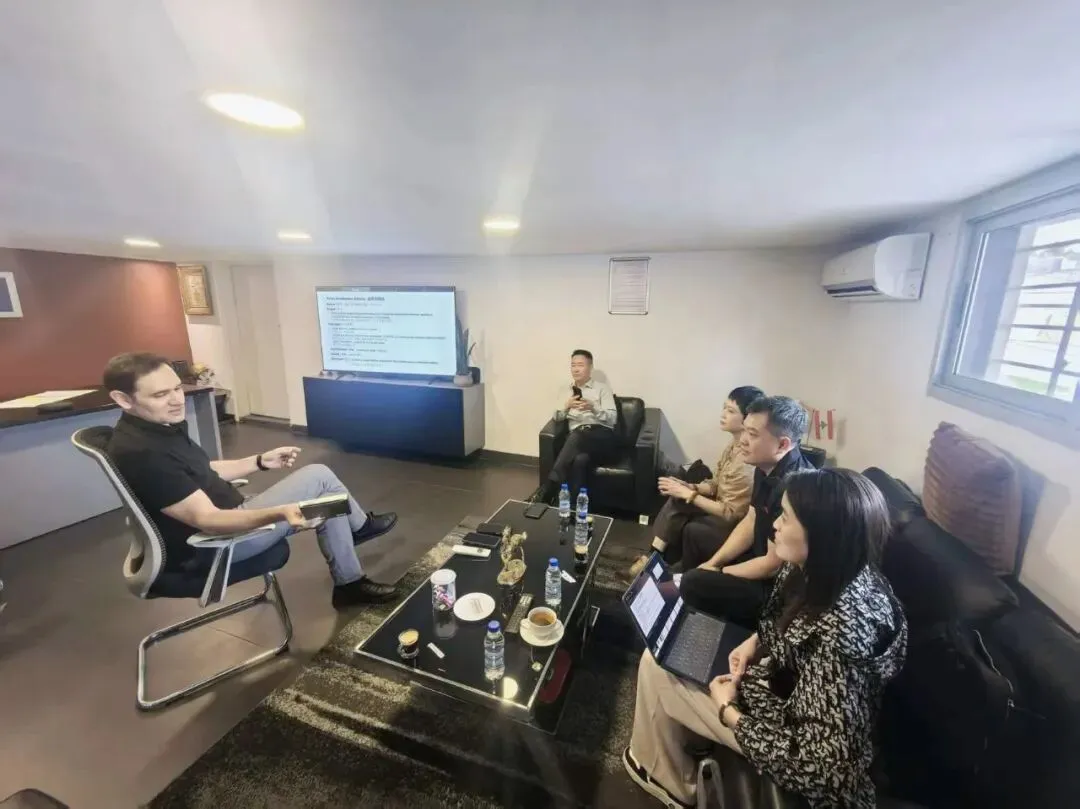
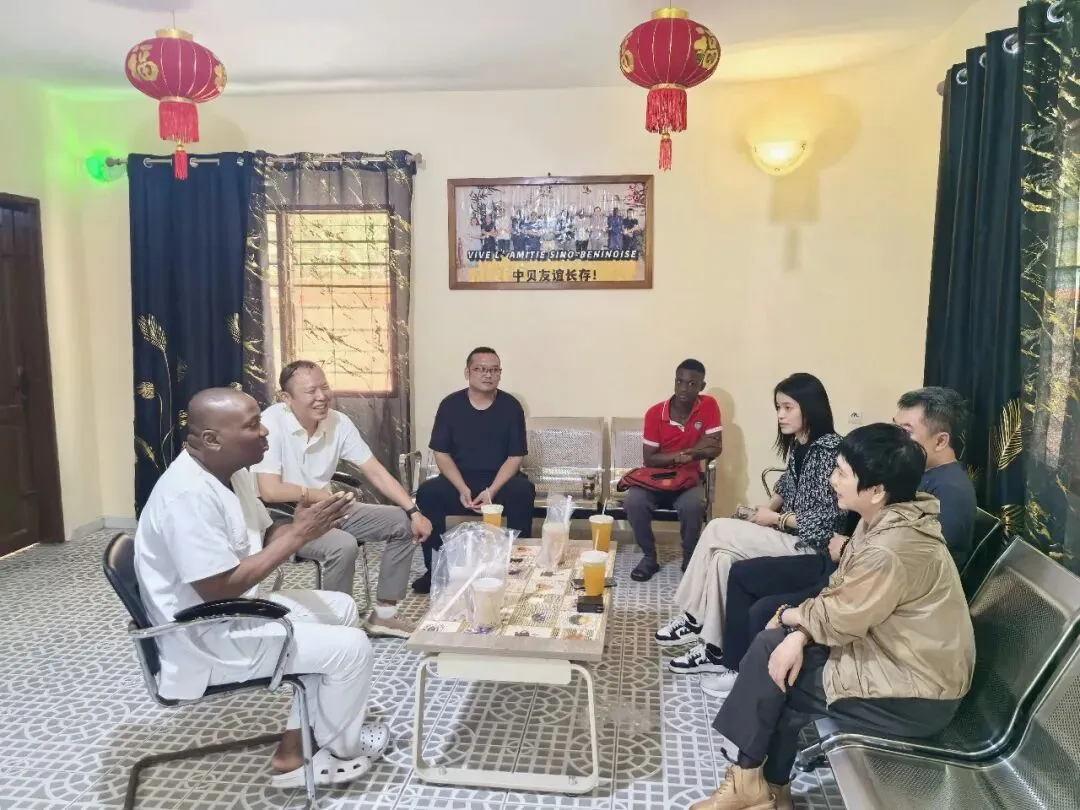
贝宁的市场体量虽小,但其战略价值在于“试点”与“配套”。作为调研路线上的补充节点,贝宁的医疗资源集中度较低,基层医疗缺口明显。这恰好为中国低成本、易维护的适宜医疗技术,以及数字化公共卫生解决方案提供了绝佳的验证场景。在贝宁通过与东方医院的李昂修院长的交流,轻资产的公益合作与基层卫生信息化项目,是撬动此类小型市场的有效杠杆。
Although Benin has a relatively small healthcare market, its strategic value lies in its role as a “pilot market” and “capability”. As the supplementary destination on the field research journey, Benin exhibits a low concentration of healthcare resources and significant shortage in primary healthcare services. These conditions provide an ideal testing ground for China’s cost-effective, easy-to-maintain appropriate medical technologies, as well as digital public health solutions.An interview with Mr. Léoncio, President of Oriental Hospital, further revealed that light-asset public welfare initiatives and primary healthcare digitalization projects can serve as highly effective levers for opening and expanding similar smallscale markets.

三、市场痛点与系统性短板
Market Pain Points and Systemic Challenges
在走访过程中,调研团深刻感受到,制约非洲医疗市场发展的核心瓶颈并非需求不足,而是系统性的供给短板以及政府对医疗观念的重视程度。
Throughout the field visits, the delegation came to recognize that the principal constraint on the development of Africa’s healthcare market is not insufficient demand,but rather systemic deficiencies in healthcare supply, compounded by the varying degrees of governmental prioritization of healthcare development.
首先是基础设施的脆弱性。电力供应不稳定与冷链物流的缺失,直接限制了疫苗、生物制品及高端医疗器械的普及。其次是监管体系的碎片化。各国医疗器械分类、注册路径及临床评价标准差异巨大,导致企业合规成本高企、准入周期漫长。此外,公立采购透明度参差不齐、回款周期长,以及售后维保、技术培训等后市场服务的缺位,使得许多“一次性”项目难以形成可持续的商业闭环。
The first major challenge is the fragility of healthcare infrastructure. Unstable electricity supplies and inadequate cold-chain logistics significantly limit the widespread deployment of vaccines, biologics, and advanced medical equipment. A second challenge lies in the fragmented regulatory environment. Considerable differences exist among countries in the classification of medical devices, product registration procedures, and clinical evaluation requirements, resulting in high compliance costs and lengthy market-entry timelines for foreign companies. In addition, inconsistent transparency in public procurement, prolonged payment cycles, and the lack of comprehensive after-sales services, including equipment maintenance and technical training, have made it difficult for many “one-off” projects to evolve into sustainable and commercially viable business models.

四、中非医疗合作的深化路径与建议
Pathways and Recommendations for Deepening China–Africa Healthcare Cooperation
基于此次调研,针对国内医药医疗企业在非洲的长期发展,有以下感想:
Based on the findings of this field study, the following recommendations are proposed for Chinese pharmaceutical and medical device companies seeking long-term development in the African market.
一、需要构建“产品+服务+合规”的综合解决方案。摒弃单纯的贸易思维,将设备投放与维保协议、人员培训深度绑定。针对科特迪瓦等法语区市场,还要提前完成目标国注册清单梳理与税务合规架构评估,将“标准化”作为出海的前提。
First, companies should build integrated solutions that combine products, services, and regulatory compliance. Rather than relying solely on a product export mindset, medical equipment should be delivered alongside comprehensive maintenance agreements, after-sales services, and professional training programs. For Francophone markets like Côte d’Ivoire, enterprises should also prepare country specific product registration roadmaps and conduct thorough assessments of tax and regulatory compliance in advance, making standardization the foundation of their international expansion strategy.
二、要能精准匹配区域市场特征,在加纳,可依托既有合作基础,打造品牌展示的当地势力推广并建造特有的市场模式;在科特迪瓦,重点探索本地化组装、区域分销与供应链深耕;在贝宁等小型市场,则以基层医疗试点和公共卫生项目为突破口,验证适宜技术的落地性。
Second, market strategies should be tailored to the unique characteristics of each country. In Ghana, companies can make use of the strong foundation of existing cooperation foundation to enhance brand visibility, strengthen local market presence, and develop market-specific business models. In Côte d’Ivoire, greater emphasis should be placed on localized assembly and manufacturing, regional distribution networks, and supply chain development. In smaller markets like Benin, primary healthcare pilot projects and public health initiatives can serve as effective entry points for seeking the practicality of appropriate medical technologies.
三、关注疾病谱变化带来的结构性机会。随着非洲非传染性疾病负担的上升,心血管、糖尿病、肿瘤辅助治疗及康复护理等领域的市场需求正在释放。同时,基层医疗仍是大多数国家的现实起点,高性价比、易操作的诊断与慢病管理设备具备广阔的中长期潜力。
Third, companies should attach great importance to the structural opportunities arising from the continent’s evolving disease profile. As the burden of non-communicable diseases continues to increase across Africa, demand is growing rapidly for products and services related to cardiovascular diseases, diabetes, oncology supportive care, rehabilitation, and long-term chronic disease management. At the same time, primary healthcare remains the start point of healthcare delivery in many African countries, creating substantial long-term opportunities for affordable, user-friendly diagnostic equipment and chronic disease management solutions.
四、强化本土化生态建设。非洲市场高度依赖本地渠道与政商关系网。企业应积极筛选具备合规能力与政府资源的本地伙伴,并深度参与中非公共卫生人才培养、健康传播等软性合作项目,将“中国方案”融入当地卫生健康体系的长期发展中。
Four, strengthen the development of localized ecosystems. The African market is highly dependent on local distribution channels as well as government and business networks. Enterprises should proactively identify local partners with strong compliance capabilities and solid government connections, while actively engaging in soft cooperation initiatives such as public health talent development and health communication between China and Africa. In doing so, they can integrate the Chinese approach into the long-term development of local healthcare systems.

五、结语
Conclusion
非洲医疗市场绝非一个可以“快进快出”的短期套利场,而是一个需要长期投入、深耕细作的战略高地。加纳、科特迪瓦与贝宁的调研见闻表明,真正的市场壁垒不在于竞争者的多寡,而在于能否建立起可复制、可运维、可合规的本地化业务模型。未来,唯有在基础设施建设、区域供应链布局、本土人才培养及数字化医疗等领域持续发力,中国医疗力量才能在非洲大陆实现从“参与者”到“共建者”的深刻转型。当然,非洲政治时局在医疗板块的发展进程中仍起着决定性作用。
The African healthcare market is by no means a place for short-term speculation or quick commercial gains. Rather, it represents a strategic frontier that demands sustained commitment, long-term investment, and deep local engagement. Field research conducted in Ghana, Côte d’Ivoire, and Benin demonstrates that the true barriers to market success lie not in the number of competitors, but in an enterprise’s ability to establish localized business models that are replicable, operationally sustainable, and fully compliant with local regulatory requirements.Looking ahead, Chinese healthcare enterprises can achieve a meaningful transformation from market participants to long-term development partners only by continuously investing in healthcare infrastructure, regional supply chain development, local talent cultivation, and digital health solutions. Certainly, the political landscape in Africa continues to play a key role in the development of the healthcare sector.