
从“研究”到“建言”:
宁诺教授分享政策报告写作“硬核”经验

From “Research” to “Advice”:
UNNC Professor Shares Expertise
in Policy Report Writing
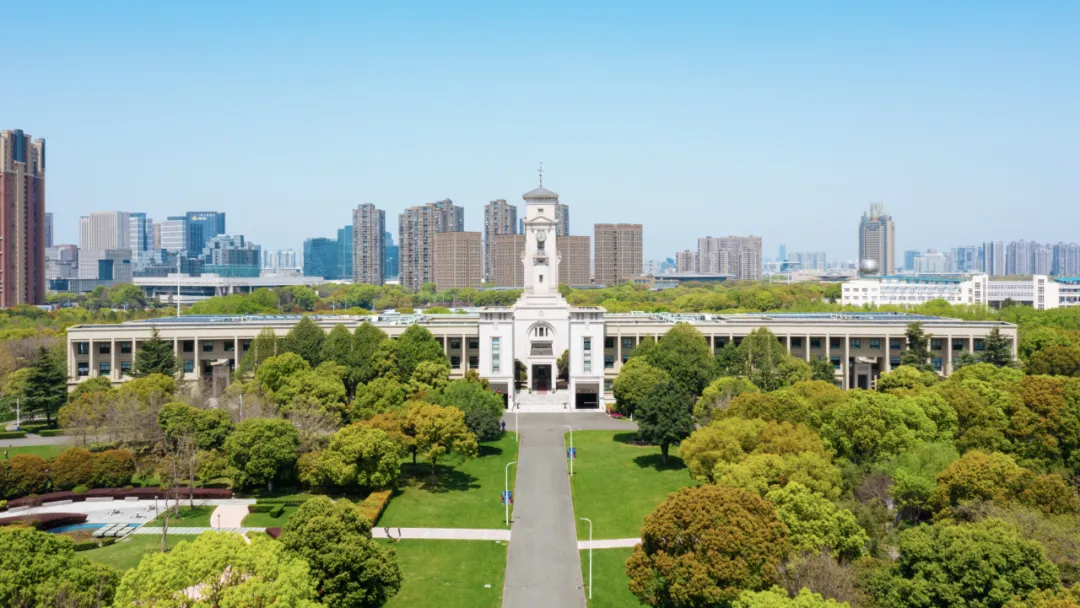
5月14日,宁波诺丁汉大学(以下简称“宁诺”)举办政策报告撰写专题工作坊。本次活动由宁诺科研与知识交流办公室(RKEO)牵头,旨在深入贯彻国家关于科学决策的战略导向,推动高校研究成果向政策影响力转化。活动汇集了三大学院的科研人员,共同探讨政策研究的核心理念与撰写方法,助力学术成果更好服务经济社会发展。
活动伊始,宁诺科研与知识交流办公室表示,政策参与至关重要,能够帮助研究人员与政策制定者充分利用学术证据与专业经验,推动公共政策优化。随后,她介绍了本次工作坊的主讲嘉宾——诺丁汉大学商学院(中国)金融科技教授、宁诺低碳经济与科技创新研究中心主任华秀萍。
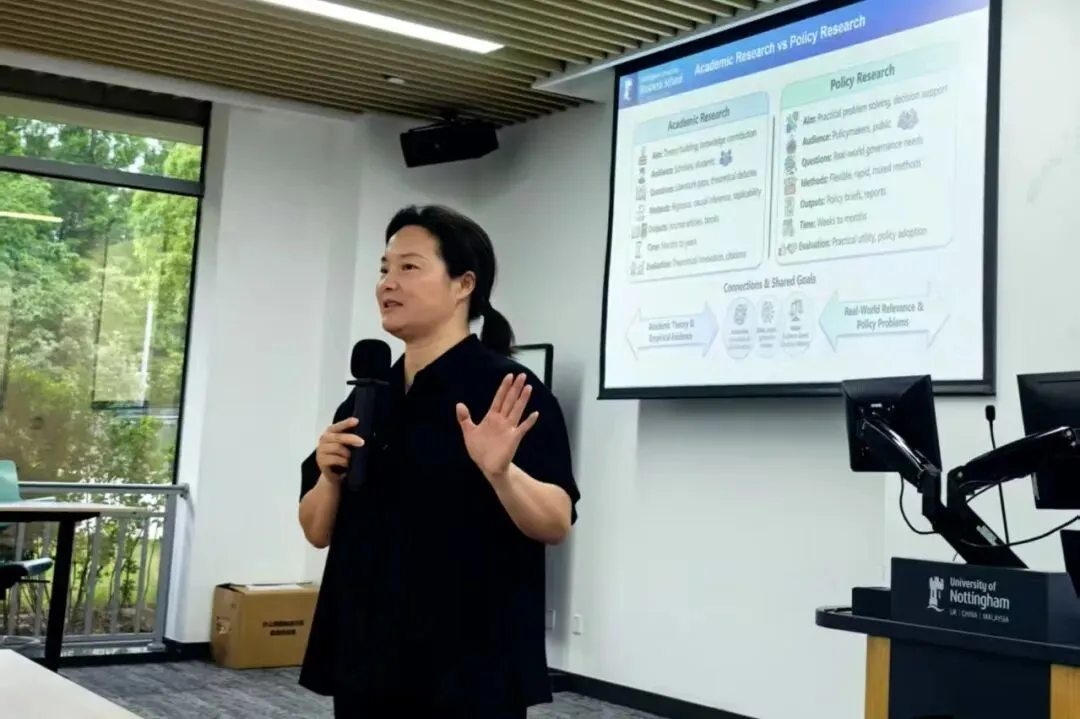

华秀萍教授
华教授担任第十三届浙江省政协委员、第十六届宁波市政协常委,有参政议政的丰富经验,已有20余项政策研究报告被政府部门采纳或获领导批示。她的研究方向涵盖公司金融、金融科技、创新与产业升级等。在演讲中,她结合自身多年参与政协工作及撰写政策报告的真实案例,分享了在政策研究中的核心理念,并详细拆解政策报告写作方法,为科研人员提供“从理论到实践”的产学研融合思路。她强调:“高质量的政策研究应以真实世界的问题为起点,坚持问题导向,并积极推动跨学科合作与产学研政协同。”她还指出,政策研究不仅需要学术严谨性,更需要长期坚持和对团队人才培养的重视。
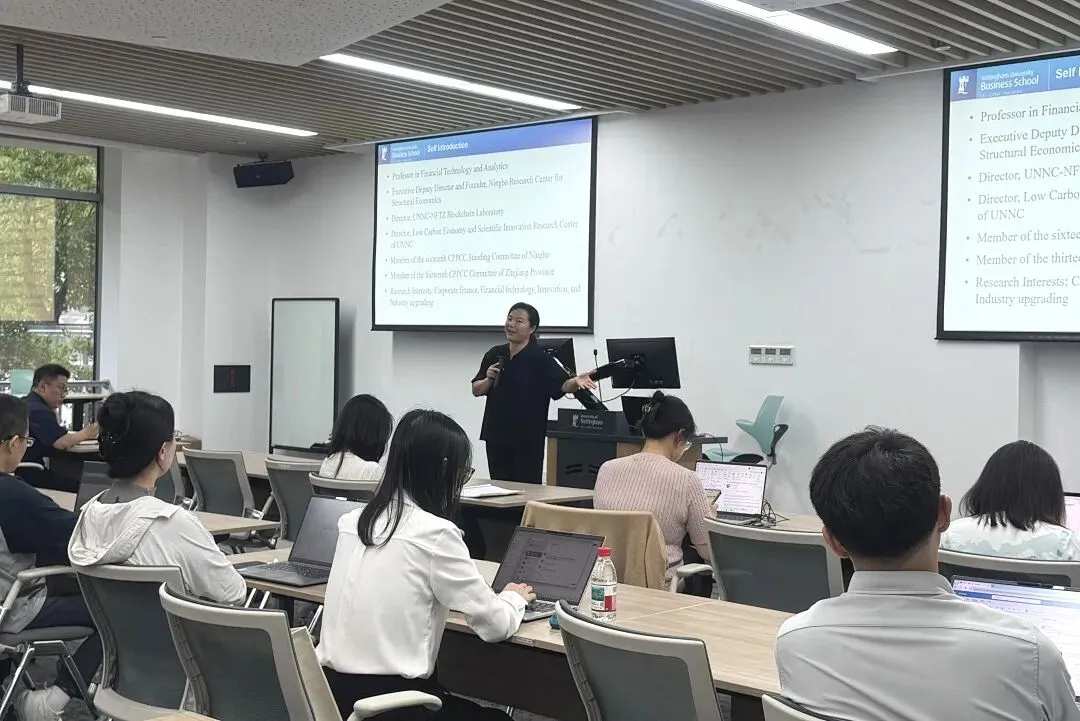

活动现场
在讲解政策报告写作方法时,华教授以一份关于“优化宁波金融数据要素市场、加强个人数据开发利用与权益保护”的政策报告为例,通过将写作方法与行业发展阶段、社会治理目标相融合,与会者不仅掌握了高效表达的逻辑框架,也学会了如何在具体场景中增强政策建议的权威性与可行性。
华教授还分享了多份获得领导批示或被政府采纳的政策报告实例,涵盖区块链、跨境电商、国际科技创新合作、科技金融、文化产业园区等热点领域。这些真实案例生动展示了学术研究成果如何转化为可操作的决策建议,为在场科研人员提供了极具价值的实践指导。
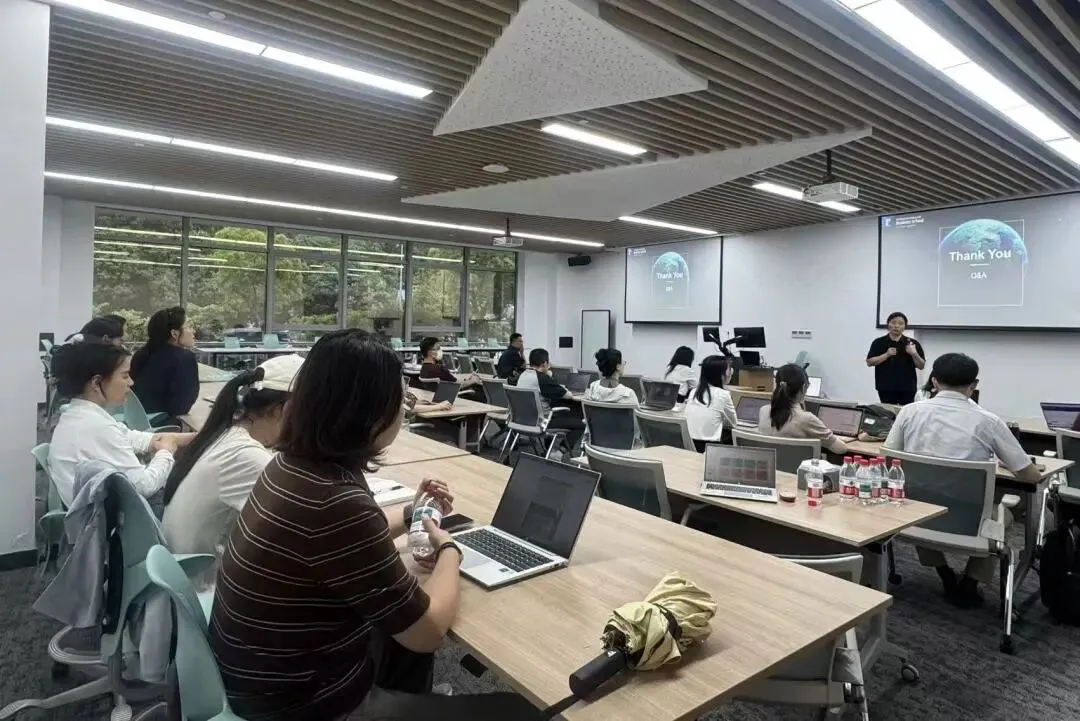

活动现场
在互动交流环节,科研人员围绕政策报告写作展开深度探讨,现场气氛热烈。
作为国内第一所中外合办大学,宁诺始终高度重视产学研协同创新,积极搭建包括新型专业智库、校企联合实验室、概念验证中心、李达三孵化园等在内的多种平台,持续为学术界与决策层、产业界架设桥梁,推动高水平研究成果服务于地方与国家经济社会发展。近年来,为帮助宁诺学者更好地实现科研突破与成果落地,宁诺科研与知识交流办公室积极举办系列活动,如国自然基金申报经验分享及各级各类基金与奖项申报信息咨询会等,全方面为学者的科研发展与成果转化提供坚实支持。
未来,宁诺将继续构筑科研高地,以国际化视野为区域高质量发展注入源源不断的“宁诺动能”。

R
K
E

From “Research” to “Advice”: UNNC Professor Shares Expertise in Policy Report Writing
On 14 May, the University of Nottingham Ningbo China (UNNC) held a workshop on policy report writing. Organised by UNNC’s Research and Knowledge Exchange Office (RKEO), the event was designed to align with the national strategic emphasis on scientific policy-making and to help transfer academic research into policy impact. The workshop brought together researchers from three faculties to explore the core principles and writing methods of policy research, supporting the goal of using scholarly output to better serve economic and social development.
The session opened with welcome remarks from RKEO, which emphasised that policy engagement is vital, enabling researchers and policymakers to draw on academic evidence and professional experience to improve public policy. RKEO then introduced the workshop speaker, Professor Xiuping Hua, Professor in Financial Technology and Analytics at Nottingham University Business School China and Director of the Centre for Low Carbon Economy and Scientific Innovation at UNNC.
Professor Hua serves as a member of the 13th Zhejiang Provincial Committee of the Chinese People’s Political Consultative Conference (CPPCC) and a standing committee member of the 16th Ningbo Municipal CPPCC, bringing extensive experience in policy participation and advice. To date, more than 20 of her policy research reports have been endorsed by government leaders or adopted by government authorities.Her research interests include corporate finance, financial technology, innovation, and industrial upgrading.
In her talk, drawing on her years of hands-on experience in CPPCC work and policy report writing, Professor Hua shared the core principles underpinning her policy research and systematically deconstructed the writing methods for policy reports. She offered researchers a practical pathway for integrating academic work with industry and policy, from theory to practice.
She emphasised: “High-quality policy research must start with real-world problems, be problem-driven, and actively promote cross-disciplinary collaboration and academic-government-industry synergy.” She also noted that policy research requires not only academic rigour but also long-term commitment and a focus on developing research talent.
When explaining the structure of policy report writing, Professor Hua used an example – a report on “Upgrading and Optimising Ningbo’s Financial Data Factor Market and Strengthening the Development, Utilisation and Protection of Personal Data Rights and Interests”. By integrating writing methods with the stage of industry development and the objectives of social governance, participants not only grasped the logical framework of efficient expression, but also learned how to advise on policy in specific contexts with greater authority and feasibility.
Professor Hua also shared multiple examples of policy reports that had received leadership endorsement or been adopted by government agencies, covering hot topics such as blockchain, cross-border e-commerce, international science and technology innovation cooperation, technology finance, and cultural industry parks. These real cases illustrated how academic research can be transformed into actionable policy recommendations, offering valuable practical guidance to the researchers present.
The interactive session saw lively discussion among participants, who engaged deeply with the methods and challenges of policy report writing.
As thefirst Sino-foreign university in China,UNNC has long placed a strong emphasis on collaborative innovation across academia, industry and government. UNNC has actively developed a range of platforms including new-type professional think tanks, university-industry joint laboratories, Proof of Concept Centre and the Li Dak Sum Incubatorto build bridges between academia, policymakers and industry, ensuring that high-quality research serves local, regional and national economic and social development. In recent years, RKEO has organised a series of activities to help UNNC academics achieve research breakthroughs and transfer findings into impact, including experience-sharing sessions on applying for National Natural Science Foundation of China (NSFC) projects and information sessions on various funding and award schemes, providing comprehensive support for researchers’ development and knowledge exchange.
Looking ahead, UNNC will continue to build a strong research environment and, with an international outlook, inject a steady stream of “UNNC momentum” into high-quality regional development.
文字来源:Marcomm
图片来源:宁波诺丁汉大学,RKEO及网络(Unsplash)

公众号


官网