

深入了解 UltraEthernet(UE)链路层如何增强以太网,为高效传输、先进拥塞控制与可靠的高性能数据传输铺就基石。
本白皮书将带您了解:
UE 链路层如何实现快速、无损通信
Ultra Ethernet 与传统以太网的关键区别
为何 UE 是替代专有互联技术的理想选择
怎样在实际部署中验证与测试 UE 链路层功能
通过本白皮书,您将全面把握 UE 的创新设计与实战验证
点击“阅读原文”可跳转下载页面
目录
引言
Ultra Ethernet传输技术概述
软件层
UE传输层
IP网络层
以太网链路层
以太网物理层
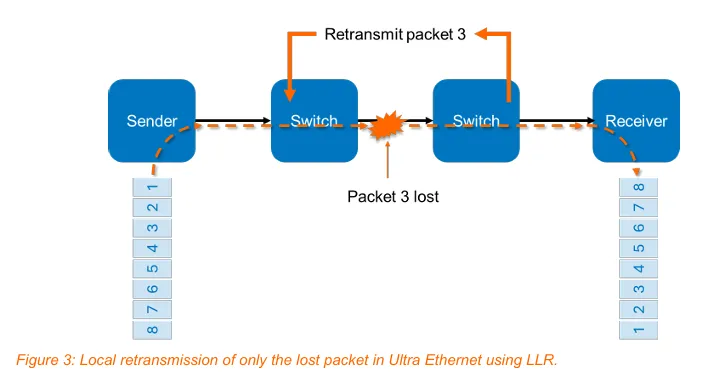
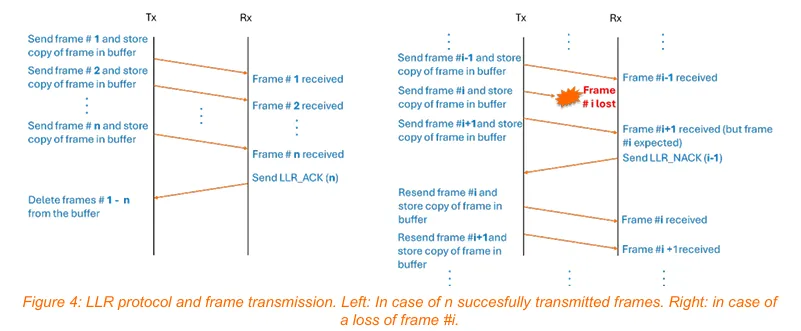
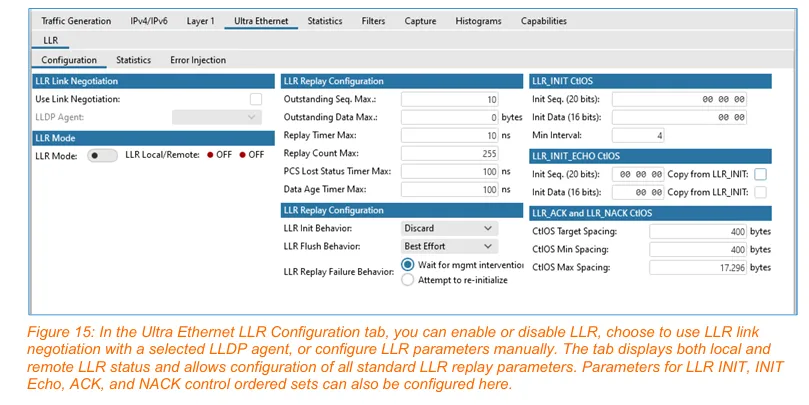
链路层重试(LLR)
Go-Back-N的工作原理
LLR的工作原理
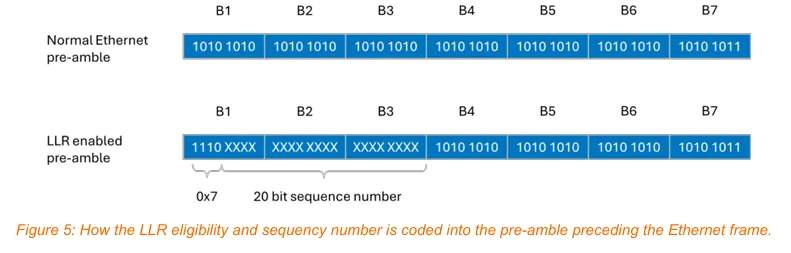
启用LLR的帧结构
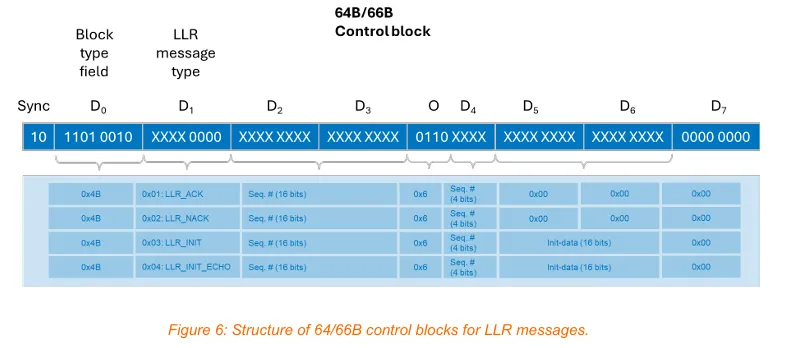
LLR消息
基于信用的流量控制
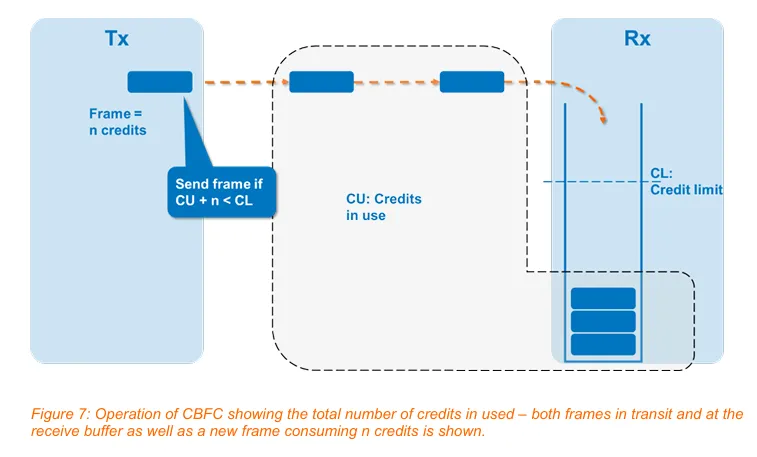
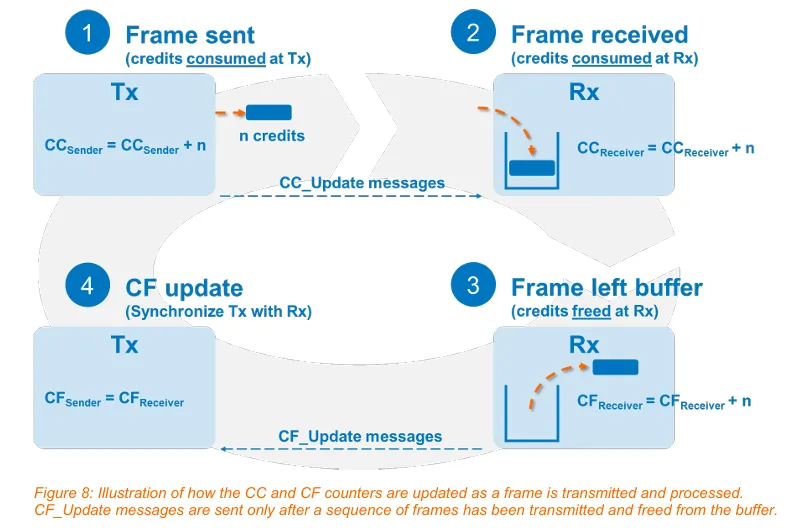
CBFC的工作原理
CBFC计数器
CBFC 消息与格式
CF_Update
CC_Update
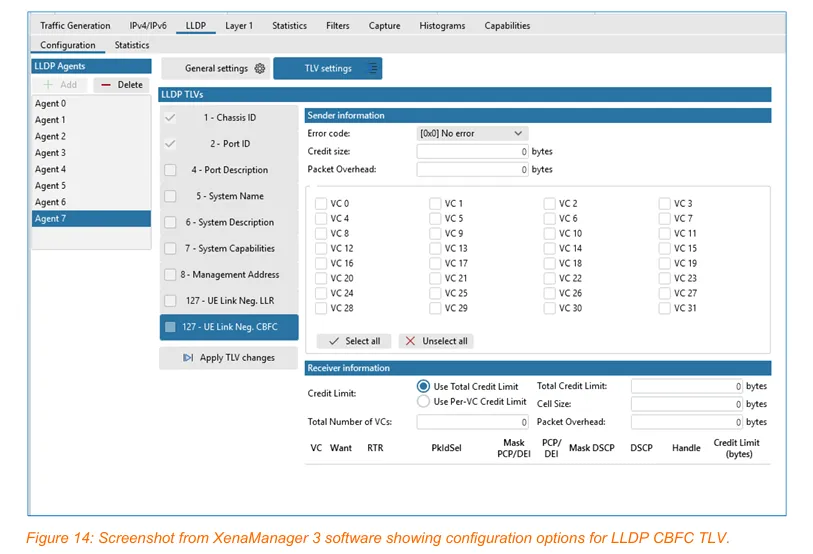
链路协商
选项 TLV (LLR)
CBFC TLV
如何验证 UE 链路层功能
Teledyne LeCroy UE 测试设备
流量发生器
AI 与 UE 解决方案专题
SierraNet M1288 协议分析仪和 Infusion Jammer
点击“阅读原文”可跳转下载页面
Learn how the Ultra Ethernet (UE) enhances Ethernet at the Link Layer, providing the foundation for more efficient transport, advanced congestion control, and reliable high‑performance data movement. In this White Paper, you’ll discover:
- How the UE Link Layer enables fast, lossless communication
- What differentiates Ultra Ethernet from traditional Ethernet
- Why UE is a compelling alternative to proprietary interconnects
- How to validate and test UE Link Layer features in real‑world deployments
点击“阅读原文”可跳转下载页面
Table of Contents
Introduction
Brief overview of Ultra Ethernet Transport
Software Layer
UE Transport Layer
IP Network Layer
Ethernet Link Layer
Ethernet Physical Layer
Link Layer Retry (LLR)
How Go-Back-N operates
How LLR operates
LLR enabled frame structure
LLR messages
Credit-Based Flow Control
How CBFC operates
CBFC counters
CBFC messages and formats
CF_Update
CC_Update
Link Negotiation
Options TLV (LLR)
CBFC TLV
How to verify UE Link Layer features
Teledyne LeCroy UE test equipment
Traffic Generators
AI & UE Solution Track
SierraNet M1288 Protocol Analyzer and Infusion Jammer